
Unbiased headlines. Facts, not spin.
Every story is an unbiased news briefing written from 110+ sources across the spectrum — sources linked so you can verify it yourself.
 energy
Notable (6/10)
August 5, 2026 at 10:41 AM
energy
Notable (6/10)
August 5, 2026 at 10:41 AM
China Raises Fuel Export Quotas for Second Straight Month as Iran War Disruptions Persist
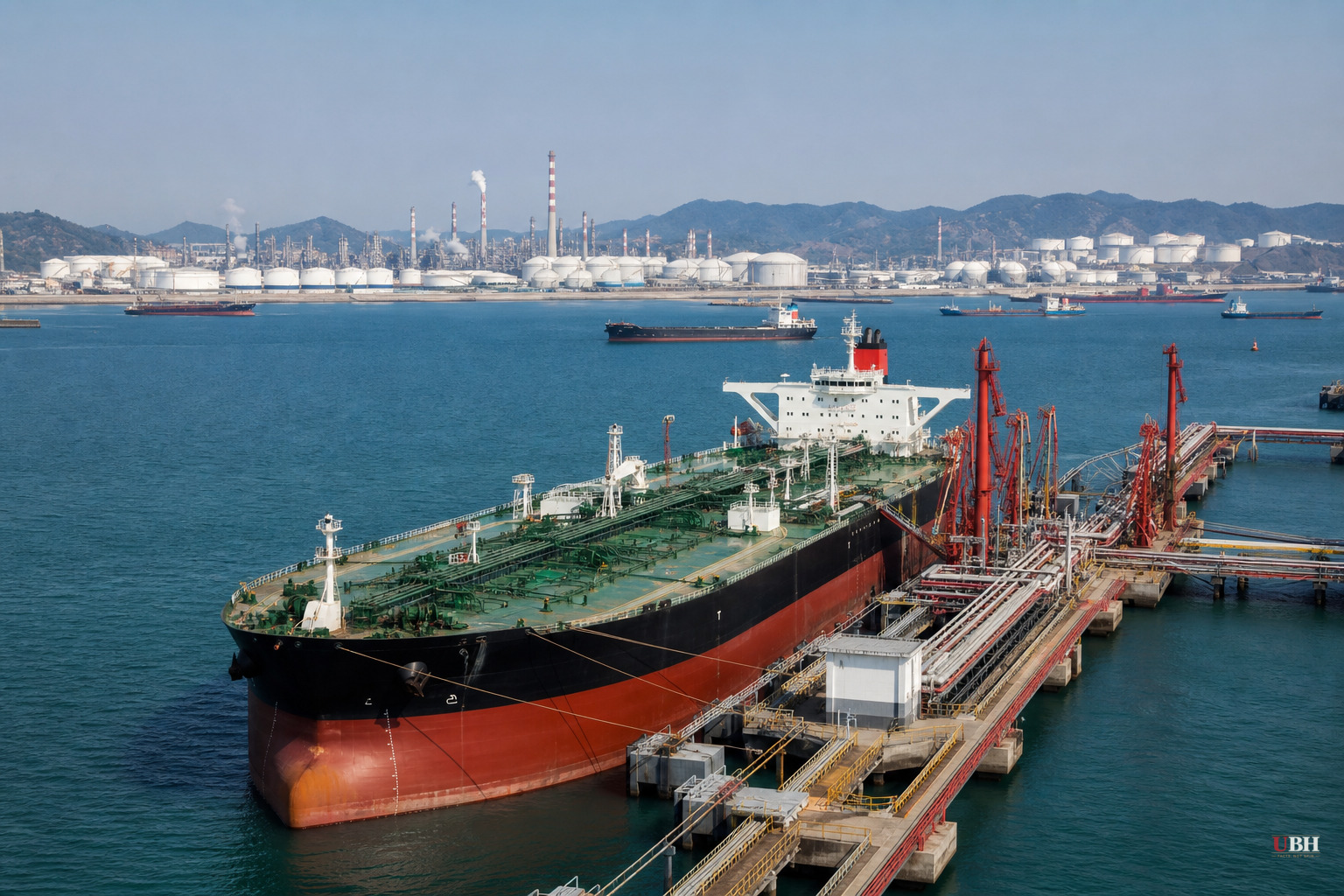
China approved 2.7 million metric tons of refined fuel export quotas for August, according to five industry sources cited by Reuters through AsiaOne. That's up from July's 2.5 million tons and marks the second straight month Chinese regulators have loosened the export tap.
The timing matters. China slashed fuel exports from March through June to protect its own supply after the Iran war disrupted crude flows into the country, forcing Beijing to cut imports. China is the world's largest oil importer. When that flow got squeezed, Beijing hoarded fuel at home instead of shipping it out.
That started to change in July, after an interim peace deal between the U.S. and Iran gave Beijing enough confidence to start easing restrictions, according to AsiaOne's sourcing. The August numbers came as a surprise to several trade sources, who didn't expect Beijing to keep loosening the reins given how unstable the broader Middle East situation remains.
The Math Behind the Quota
Of the 2.7 million tons approved for August, state-run refiners got 2.2 million tons. Zhejiang Petrochemical Co., majority-owned by private refiner Rongsheng Petrochemical, got the remaining 500,000 tons. Rongsheng had halted exports for more than three months before resuming in July.
Add in shipments to Hong Kong and jet fuel used for international refueling at Chinese airports, and two trade sources estimate the total August export program for gasoline, diesel and jet fuel could reach 3.6 to 3.7 million tons. That would be above the 2025 monthly average of 3.04 million tons combined for those three fuels, based on Chinese customs data.
But there's a catch. A state oil trading manager told Reuters it's "highly likely that refiners end up exporting way below the allowed volumes" because of a tight scheduling window and continued uncertainty over crude supply. Refiners are even being allowed to roll some of the August allowance into September because there isn't enough time to execute spot sales, according to three of the sources.
Beijing Isn't Fully Letting Go
China hasn't dropped its guardrails. According to reporting from the South China Morning Post dated July 21, refiners face dual requirements even as export curbs ease. They can only ship fuel under their allocated quotas, and they have to keep inventory levels above where they stood at the end of February.
"Domestic consumption security remains the top priority," a person familiar with the matter told the South China Morning Post, speaking anonymously. That source said the interim U.S.-Iran truce collapsing pushed Beijing toward a "more cautious stance" on further easing, even as it granted more room to export.
The South China Morning Post also reported that China's National Development and Reform Commission and Ministry of Commerce tightened refined oil export supervision starting in the second quarter of 2026, according to Fu, an analyst writing for Energy Intelligence. That represents a meaningfully different emphasis than the AsiaOne framing, which leans more on the surprise and scale of the August increase. Both are accurate. Beijing is expanding the export window while simultaneously locking in stricter compliance and stockpile rules on the refiners using it.
What This Means for Refinery Output
Chinese refinery throughput is expected to rise in August, with analysts and traders forecasting an increase of 200,000 to 300,000 barrels per day above July's estimated total of nearly 13 million barrels per day, according to AsiaOne's trade sourcing. Refiners have to prove they've hit production targets and hold adequate local stockpiles before they get approved for export quotas at all.
Separately, OilPrice.com reported that China's domestic power demand hit records amid a heatwave gripping key regions, adding another variable to how much fuel and crude Beijing wants circulating at home versus abroad.
None of this happens in a vacuum. The Iran war and its effects on shipping through the Middle East remain unresolved. OilPrice.com also flagged a Red Sea attack that sank an India-flagged cargo vessel off Yemen, a reminder that regional shipping risk hasn't gone away even as the initial U.S.-Iran crude disruption eases.
Whether Beijing keeps expanding export quotas into September depends on whether the ceasefire situation stays fragile or whether the National Development and Reform Commission pulls the reins back in if crude imports tighten again. The rollover provision built into August's allowance suggests Chinese officials are already hedging against that possibility.
Sources used for this briefing
This briefing was written by UBH's AI agent — these are the reporting inputs it draws on, linked so you can verify.


