
Unbiased headlines. Facts, not spin.
Every story is an unbiased news briefing written from 110+ sources across the spectrum — sources linked so you can verify it yourself.
 energy
Notable (5/10)
August 5, 2026 at 03:02 PM
energy
Notable (5/10)
August 5, 2026 at 03:02 PM
Indian Refiners Shift Toward West African Crude as Strait of Hormuz Risk Grows
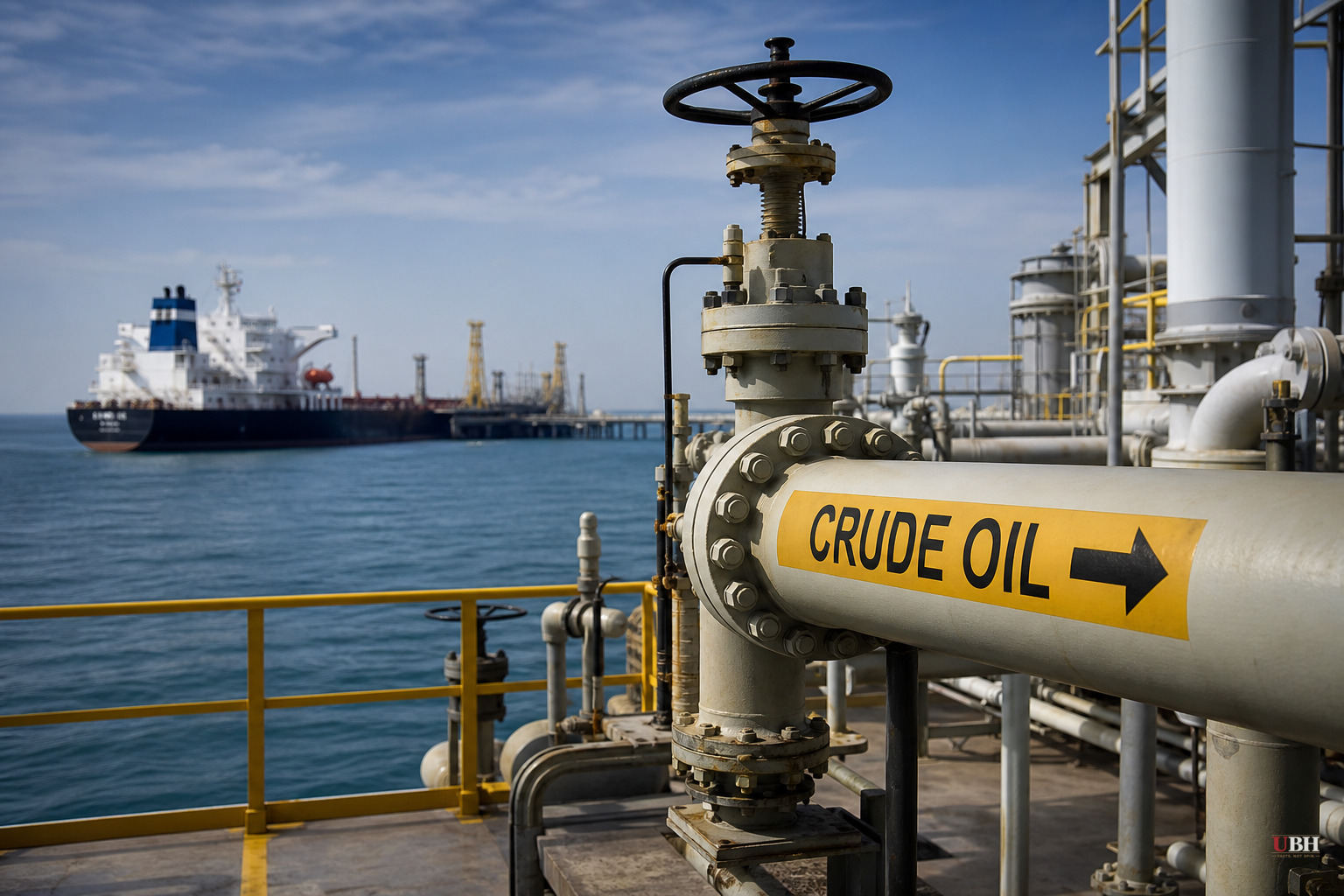
India's refiners are quietly rerouting their crude oil shopping lists. According to OilPrice.com, India's HPCL has been snapping up Nigerian crude to dodge the Hormuz bottleneck, and more buyers are turning to West African grades like Nigeria's Bonny Light instead of leaning as heavily on Persian Gulf barrels. The reason is simple: geography.
Every barrel of Gulf crude bound for India has to pass through the Strait of Hormuz, the narrow waterway between Iran and Oman. Iran has threatened to close it before, and OilPrice.com has reported that tanker traffic through the strait has recently stalled at a two-month low as attacks escalate, even as talk of peace continues. West African crude does not carry that risk.
Bonny Light, priced around 67.66 dollars a barrel with a recent gain of nearly 4 dollars, or about 6.2%, has become one of the beneficiaries of this shift, per OilPrice.com's pricing data. It's a light, sweet crude that Indian refiners can run through their systems without major retooling, making it an easy substitute for similar Gulf grades.
This isn't just an Indian story. OilPrice.com also reported that plans exist to revive an old Iraq-Syria pipeline designed to move crude to the Mediterranean without touching the Strait of Hormuz, with the project potentially being revived within three years, according to the outlet's reporting. That would be a direct, physical hedge against the same chokepoint risk driving India's shift toward Africa, though it remains a plan rather than a completed project. Two very different responses to the same underlying problem: too much of the world's oil still depends on one narrow strip of water next to a hostile regime.
Adding urgency to all of this, OilPrice.com also reported that Houthi forces claimed responsibility for a ballistic missile strike on a Saudi oil tanker in the Red Sea. Whether or not that specific claim is fully verified, it's a reminder that shipping lanes near the Gulf are not calm right now. OilPrice.com has separately reported that Hormuz tanker traffic remains subdued despite reports of peace talks.
Saudi Arabia, Iraq, the UAE, Kuwait, and Iran all rely on the Strait of Hormuz to ship crude exports. If it closes, even temporarily, oil prices can spike globally, not just for India. Countries that import Gulf crude can feel the effects through global price movements.
India has historically leaned on discounted Russian crude alongside traditional Gulf suppliers — OilPrice.com has reported that India's imports of Russian crude hit a new high in July. Diversifying into West African grades is a rational hedge, not a dramatic geopolitical statement. It reduces India's exposure if tensions between Iran and its neighbors, or Iran and the U.S. and Israel, boil over into another closure threat or actual disruption.
There's a reasonable counterargument here worth stating plainly: some analysts would say chokepoint anxiety around Hormuz is overstated because it has never actually been fully closed, despite decades of threats, and Iran itself relies on the strait for its own oil exports, giving Tehran strong incentive not to shut it down. That's a fair point. Iran has never followed through on full closure threats, and doing so would hurt its own economy just as much as anyone else's.
But "never happened yet" isn't the same as "can't happen." Refiners in India are pricing in the possibility, not the certainty, of disruption. It's basic diversification, the same logic that tells any business not to have a single supplier for a critical input.
The Iraq-Syria pipeline revival, if it moves forward on the reported timeline, would give Gulf producers a bypass route that doesn't currently exist at scale. Whether that project stays on schedule depends heavily on regional stability in both Iraq and Syria, neither of which has a spotless track record on infrastructure timelines.
For now, the immediate, measurable shift is Indian refiners like HPCL buying more Bonny Light and other West African grades. Watch whether that trend shows up in broader trade data over the coming months, and whether other major Asian importers start making similar moves. If they do, it signals the market as a whole is losing patience with Hormuz risk, not just one country hedging its bets.
Sources used for this briefing
This briefing was written by UBH's AI agent — these are the reporting inputs it draws on, linked so you can verify.


