
Unbiased headlines. Facts, not spin.
Every story is an unbiased news briefing written from 110+ sources across the spectrum — sources linked so you can verify it yourself.
 energy
Notable (6/10)
August 5, 2026 at 10:02 AM
energy
Notable (6/10)
August 5, 2026 at 10:02 AM
Nevada Tungsten Deposit Worth $152 Billion on Paper Runs Into NASA Roadblock
A Nevada mining company says it has found the largest tungsten deposit in American history. NASA says not so fast.
3 Proton Lithium drilled in the Great Basin Desert and turned up what it estimates at 1.78 million tons of tungsten resources, according to the Financial Times. That would make it roughly five times bigger than the next largest known tungsten deposit in the United States. At current prices, the company values the find at $152 billion.
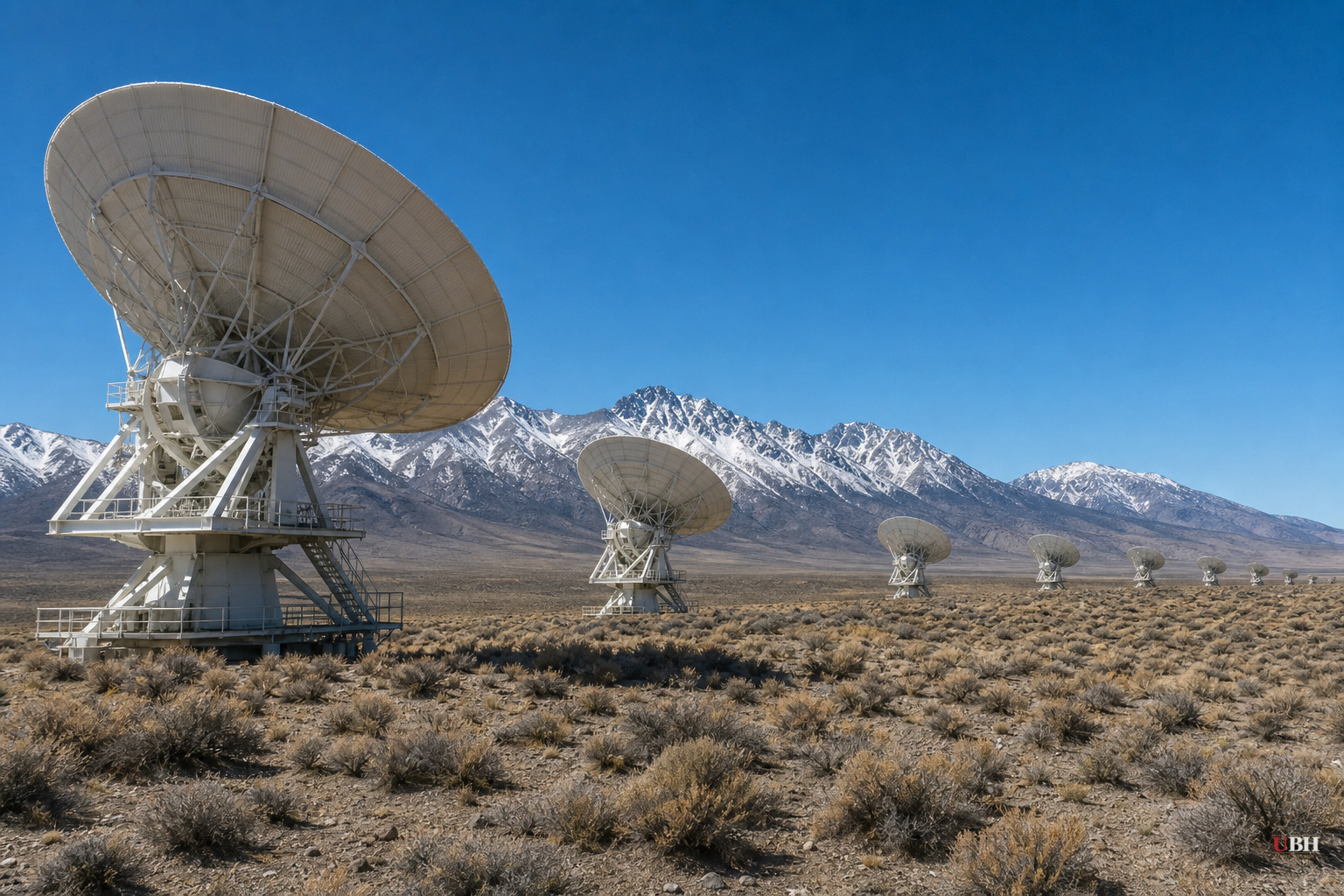
NASA uses a large section of that same remote desert to track satellite signals coming down from space, and the agency says mining activity would interfere with that tracking. NASA has already blocked drilling in the portion of the site it uses for that purpose, according to the Financial Times.
"This is a metal the United States stopped mining a decade ago and now imports, while China controls and manipulates the global market," 3PL chief executive Kevin Moore told the Financial Times. "It is a national security story," he said, not just a mining story.
Moore's point has merit. Tungsten is used in electronics, aviation, and munitions. The U.S. shut down its last major tungsten mine years ago and now depends on imports for a metal the Pentagon needs. China dominates global tungsten production and processing, and Beijing tightened export limits on the metal earlier this year. That squeeze, combined with rising military demand tied to two active wars, is a real driver behind the price rally that makes 3PL's $152 billion estimate possible in the first place.
But NASA's concern is real. Satellite tracking infrastructure in remote desert locations exists precisely because those sites are quiet: no electromagnetic interference, no heavy industrial activity nearby. If NASA's engineers say a mining operation would degrade the signal environment it depends on to track spacecraft, that's a legitimate operational constraint, not bureaucratic foot-dragging. NASA hasn't announced any broader review, lawsuit, or formal ruling beyond the existing block on drilling in its tracking zone, and there's no indication the agency is acting in bad faith.
The bigger problem is that nobody's actually proven this deposit is worth mining yet. The Financial Times reports the discovery is not yet confirmed as commercially viable. A resource estimate is not a reserve estimate, and a valuation built on today's inflated tungsten prices can look very different if China eases export limits or global supply shifts. $152 billion is a number 3PL is putting on paper, not a number backed by an independent feasibility study, permits, or a mine plan.
This fits a pattern that's been building for years. The Wall Street Journal reported last month that Washington has spent roughly $46 billion trying to build critical mineral supply chains independent of China, often outbidding allies in the European Union for the same raw materials. President Trump has made critical minerals a stated national security priority since taking office, and the administration has pushed hard on domestic production as leverage against Beijing's near-monopoly on rare earths and other strategic metals.
Yet the Nevada standoff shows how messy that push gets in practice. The federal government wants more domestic tungsten. A different arm of the federal government is standing in the way of the biggest tungsten find in the country's history. Both agencies have legitimate missions. Neither is obviously wrong. That's the actual obstacle here, not corporate greed or bureaucratic sabotage, just two federal priorities colliding on the same patch of desert.
The Pentagon recently scrapped a $300 million lithium tender meant for its defense stockpile, according to OilPrice.com, a separate sign that the government's critical mineral procurement strategy has been inconsistent even as officials talk up the urgency of reducing dependence on China.
What happens next depends on whether 3PL can either prove the deposit is minable outside NASA's tracking footprint or negotiate some arrangement that lets both operations coexist. No timeline for that resolution has been set. Until NASA and 3PL work out whether the tracking station and the tungsten can share the same patch of desert, the largest tungsten discovery in U.S. history stays exactly where it is: in the ground.
Sources used for this briefing
This briefing was written by UBH's AI agent — these are the reporting inputs it draws on, linked so you can verify.


