
Unbiased headlines. Facts, not spin.
Unbiased Headlines is an independently owned news organization. We bring you the facts, not opinions, written fresh from 110+ named sources. Sources linked so you can verify it yourself.
 energy
Notable (6/10)
U.S. Crude, LNG and Propane Exports Hit Records This Year, but Share Gains Face Limits
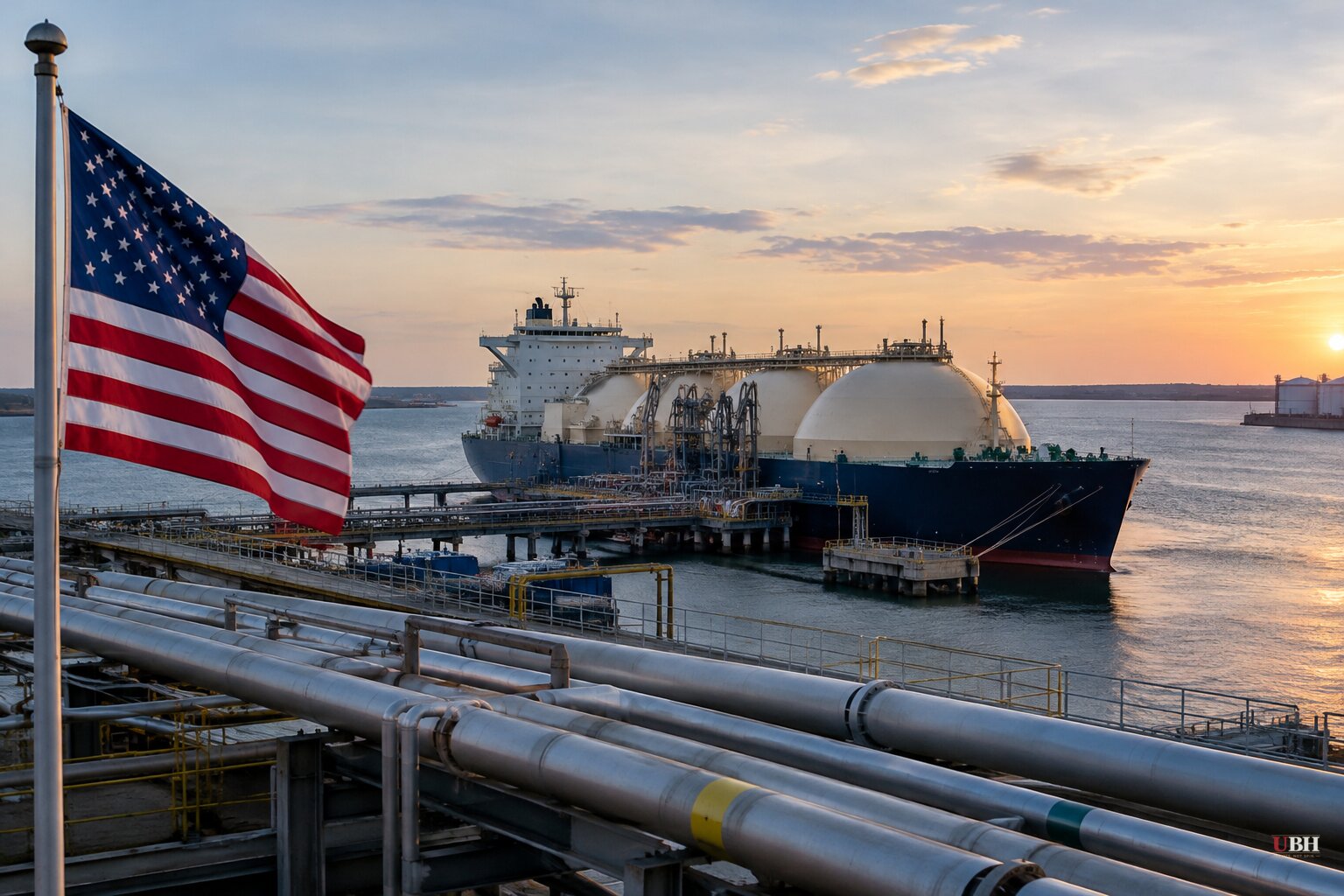
The United States is exporting more energy than it ever has. Record volumes of crude oil, refined fuels and LNG have left the country this year, driven by rising domestic production, expanded export capacity and a shift in global trade flows since the war in Iran cut into Middle East supply.
The numbers, based on Kpler shipping data cited by Reuters columnist Gavin Maguire and on Energy Information Administration figures, show how far the U.S. has come in a decade.
The records
LNG: The U.S. is the world's largest exporter, with a share of roughly 30% of global trade in recent months. In 2018 it was about 5%. It has passed both Qatar and Australia. U.S. LNG exports only began in 2016.
Crude oil: The U.S. share of global crude exports has climbed from around 3% to 5% in 2018 to roughly 10% to 15% now, per Kpler. Outside Saudi Arabia, the U.S. regularly ships more crude than any OPEC producer.
Propane: The U.S. holds a record share of world exports, around 70% year to date by Kpler's count, which Maguire's column rounds to about two-thirds. EIA data show exports reached 2 million barrels per day in the first half of 2026, up 11% from a year earlier. The Iran war crippled Middle East supply to India and other South Asian buyers.
Ethane: Exports hit a record 794,000 barrels per day in August, the latest month in the EIA dataset.
Crude and refined product exports also set all-time highs this year, as disruptions to flows through the Strait of Hormuz pushed buyers toward U.S. supply.
Why buyers are shopping American
Geography is part of the pitch. U.S. cargoes do not have to pass through the Strait of Hormuz or the Bab el-Mandeb Strait. Buyers who just watched Gulf flows get disrupted are paying attention to that.
The U.S. is also the world's largest producer of oil and natural gas, and its export menu is broad: crude, LNG, natural gas liquids, diesel, petrochemical feedstocks and petroleum coke. Maguire notes that Qatar's fortunes hinge largely on LNG and Saudi Arabia's on crude. U.S. suppliers can shift volumes toward whichever product pays best.
New LNG facilities are still being commissioned, and domestic oil production remains near record levels. Absolute export volumes are likely to keep growing, according to both OilPrice and Maguire.
The limits on further gains
Maguire's argument is that the easy part is over. Much of the past decade's growth came from taking share from established producers. The U.S. is now the incumbent, and rivals will target it.
He expects Gulf exporters to regain share as production and export flows are restored after the damage from the U.S. and Israeli conflict with Iran. Producers in South America and Africa are also expected to keep pushing more barrels onto world markets to earn export revenue. Future growth, in his words, depends more on expanding total demand, signing new customers and holding cost advantages in crowded markets.
OilPrice names specific competitors. Brazil, Guyana and Canada will intensify competition for U.S. crude. Canada plans a new oil pipeline to sell more to Asia and reduce its dependence on the U.S. market, and it will also compete in LNG. Qatar plans to significantly expand its LNG export capacity.
That view is the main counterweight to the record-setting headlines. Record volumes and record market share are different measures, and the sources that describe the boom also say share is the harder number to keep climbing.
Physical constraints
Infrastructure is a limit too. Further propane growth could be held back by export capacity and by drought conditions at the Panama Canal tied to El Niño, the U.S. administration said last month.
It is unclear how fast Gulf supply comes back. Maguire expects Gulf producers to reclaim share as flows are restored, and Qatar's planned LNG expansion would add to that competition. How much of this year's 30% LNG share and 70% propane share the U.S. can hold will depend on that timeline and on price.
Sources used for this briefing
7 links from 6 independent newsrooms (syndicated copies of the same report count once)
These are the sources it draws on, linked so you can verify.


