
Unbiased headlines. Facts, not spin.
Every story is an unbiased news briefing written from 110+ sources across the spectrum — sources linked so you can verify it yourself.
 energy
Notable (6/10)
August 5, 2026 at 02:08 PM
energy
Notable (6/10)
August 5, 2026 at 02:08 PM
Iraq and Syria Sign Deal to Revive Old Kirkuk-Baniyas Pipeline, Chevron to Oversee Project
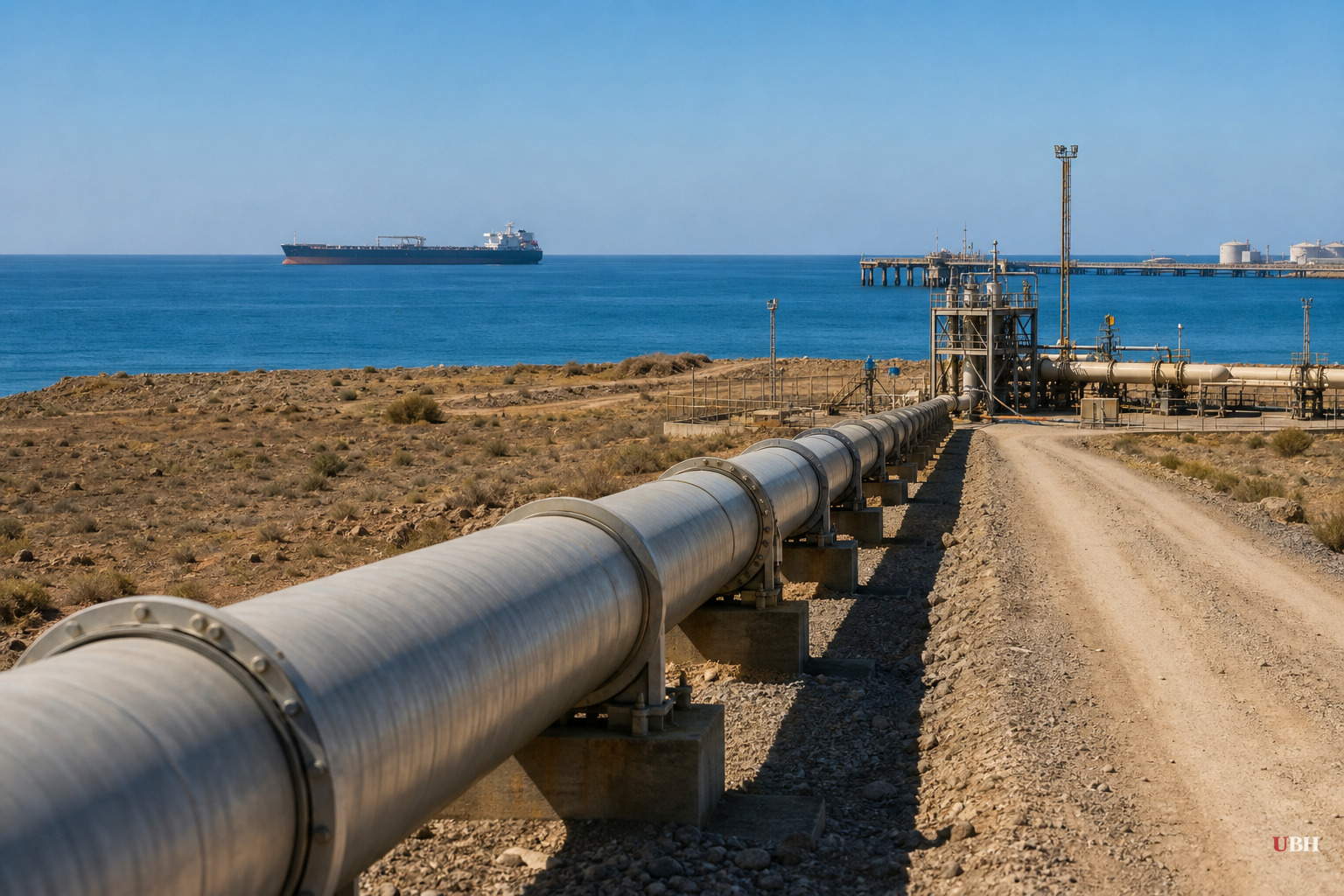
Iraq and Syria signed a memorandum of understanding this week to restore and modernize the Kirkuk-Baniyas pipeline, a Cold War-era oil route that would carry crude from northern Iraq to a Mediterranean port in Syria, according to i24news.tv.
Chevron will oversee the project. A consortium that includes Chevron, Capital TI, and Qatar's UCC will run the technical and feasibility studies before anyone breaks ground, per i24news.tv.
This isn't a new pipeline. The Kirkuk-Baniyas line has existed for decades and once moved Iraqi crude to the Syrian coast for export to Europe. It's been largely dead since it took damage during the 2003 US-led invasion of Iraq, and the ensuing chaos in both countries left it not worth fixing.
Washington has backed reviving the route and expects American companies to be part of it, i24news.tv reported. It's strategy, not charity.
Why now
Baghdad wants a way out of the Strait of Hormuz bottleneck. About 20% of the world's oil and gas moves through that strait, according to i24news.tv, and disruptions tied to the US-Israel war with Iran have hit Iraqi exports hard.
When a chokepoint that carries a fifth of global oil supply gets threatened by a shooting war, every country downstream of it starts looking for a plan B. Iraq, whose economy runs almost entirely on oil exports, has more reason than most.
A pipeline running west to the Mediterranean instead of south through the Persian Gulf gives Baghdad a route Tehran can't touch. That's the entire point. It's basic risk management for a government that watched its main export artery become a target in someone else's war.
The Chevron angle
This pipeline deal didn't happen in isolation. Chevron also signed agreements the same week advancing its potential entry into the West Qurna 2 and Nassiriya oilfields, according to i24news.tv. West Qurna 2 is one of the largest oilfields on the planet, currently producing roughly 460,000 barrels a day.
Iraq isn't just diversifying its export routes. It's deepening its energy relationship with American companies across the board, at a moment when Washington wants US firms, not Chinese or Russian ones, sitting on Iraqi crude.
OilPrice.com framed the pipeline as something that could be "revived within 3 years," a timeline worth treating with skepticism. That's an aggressive estimate for a route running through Syrian territory that spent over a decade in a civil war, with a government in Damascus that is still rebuilding basic state functions after the fall of Bashar al-Assad's regime. A memorandum of understanding is a starting gun, not a finished pipeline. Feasibility studies alone can take years, and that's before construction, financing, and security along a route that crosses some of the more contested ground in the region.
The case for skepticism, stated fairly
Anyone doubting this gets built on schedule has a reasonable argument. Syria's infrastructure, banking system, and security apparatus are still recovering from years of war. Sanctions relief tied to the post-Assad transition remains a work in progress. A pipeline is a fixed, exposed piece of infrastructure running through territory where armed factions still operate. The original line got wrecked once already during a war. There's no guarantee that doesn't happen again.
That said, treat the three-year timeline as aspirational rather than assured.
What actually changes
If the pipeline gets rebuilt, Iraq gains real leverage. Kirkuk crude reaching European buyers via the Mediterranean, without transiting Hormuz, weakens Iran's ability to squeeze Iraqi exports during regional flare-ups. It also puts Chevron in a strong position across three major Iraqi assets at once: the pipeline, West Qurna 2, and Nassiriya.
For Washington, it's a chance to lock American energy companies into Iraqi infrastructure for a generation, crowding out rivals and tying Baghdad's export future closer to US interests.
None of that happens on the strength of a memorandum of understanding. The feasibility studies haven't concluded. No construction timeline, financing structure, or security plan has been made public. The next real marker to watch is whether that consortium actually publishes results and whether Damascus can guarantee security along a route that runs straight through territory that spent over a decade at war.
Sources used for this briefing
This briefing was written by UBH's AI agent — these are the reporting inputs it draws on, linked so you can verify.


