
Unbiased headlines. Facts, not spin.
Every story is an unbiased news briefing written from 110+ sources across the spectrum — sources linked so you can verify it yourself.
 energy
Notable (6/10)
August 5, 2026 at 06:09 PM
energy
Notable (6/10)
August 5, 2026 at 06:09 PM
India's ONGC Says It Will Take Over Two Venezuela Oil Blocks From PDVSA
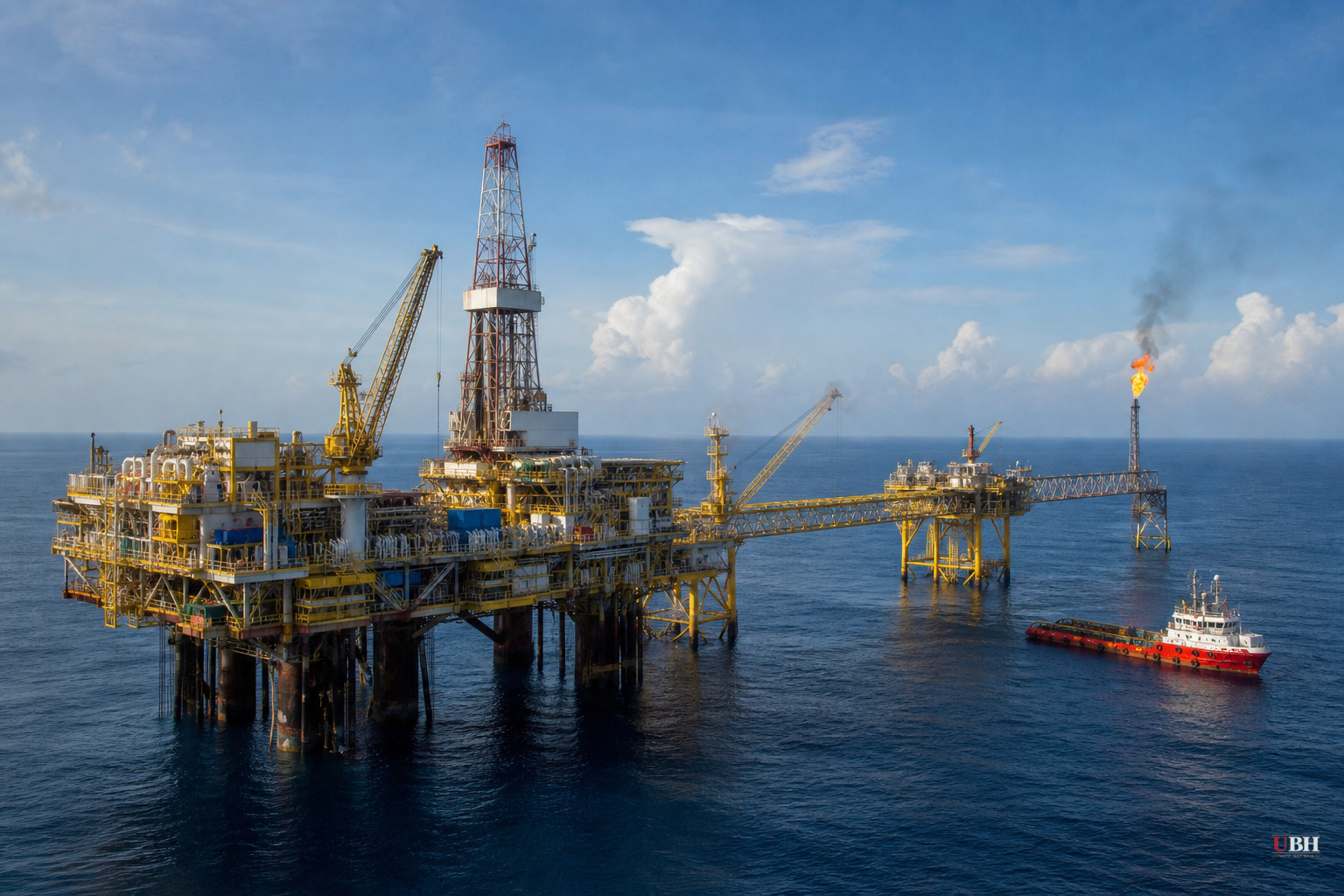
India's largest oil explorer says it's done sitting on the sidelines in Venezuela.
Oil and Natural Gas Corp, through its overseas arm ONGC Videsh, expects to soon sign agreements to take over operatorship of two Venezuelan oil blocks from state-run PDVSA, according to Reuters. The company already owns a 40% stake in the San Cristobal field and, along with other Indian firms, an 18% stake in the Carabobo-1 project.
"Now we have full freedom to work on the Venezuela projects," ONGC finance director Anupam Agarwal said Wednesday on an analyst call following the company's June-quarter earnings, according to Reuters. "Earlier, we were restricting our operations there because of the sanctions-related risk."
Agarwal said Caracas is dangling extra incentives under its new petroleum law to lure foreign operators, and that ONGC has an edge because it already runs fields with similar geology back in India. "We believe very soon we will see some positive developments, the new agreements signed, and we are taking over the operatorship for some of those projects from PDVSA," he said.
Venezuela sits on the largest proven crude reserves on the planet, but PDVSA has run its fields into the ground for years. Underinvestment, corruption, and U.S. sanctions gutted the company's ability to maintain output, and Caracas has been trying to get foreign operators back in the door to reverse the decline.
The new petroleum law is Venezuela's pitch to foreign companies: better terms, more operational control, in exchange for capital and expertise PDVSA doesn't have. ONGC clearly likes what it's hearing.
The sanctions picture is significant. U.S. sanctions on Venezuela's oil sector have been a moving target for years, tightening under one administration and loosening under license carve-outs in another. Agarwal's comment that ONGC was previously "restricting operations" because of sanctions risk speaks volumes. Indian companies have had ownership stakes in these fields for years but stayed cautious about actually running them, because getting on the wrong side of U.S. Treasury rules can mean getting cut off from dollar-denominated trade and Western banking.
If ONGC is now saying it has "full freedom," that signals the compliance risk has eased enough for a state-run Indian company to make the jump from passive investor to operator. Whether that's because Washington has relaxed enforcement, granted specific licenses, or simply because ONGC's risk calculus changed, the sourcing here doesn't spell out. No U.S. Treasury statement or license announcement accompanies ONGC's comments in the available reporting.
India has been trying to diversify its crude supply for years, buying discounted Russian barrels despite Western pressure and now eyeing Venezuelan heavy crude as another hedge. India's own basket price was quoted around $85.19 a barrel as of early August, according to OilPrice.com market data, well above benchmark WTI's roughly $74.52.
A country that imports the vast majority of its oil has every incentive to lock down operatorship of fields it already partially owns, rather than just collecting a minority stake's worth of output. Running the field means more control over production decisions, cost management, and how much crude actually gets to Indian refineries versus staying tied up in PDVSA's dysfunction.
No signed agreement exists yet. Agarwal's comments are forward-looking statements on an earnings call, not an announcement of a completed deal. "Very soon" is a projection, not a date.
PDVSA has not issued a public statement confirming it's handing over operatorship, and Venezuela's oil ministry hasn't been quoted in available reporting confirming the specifics of what ONGC would get in exchange. The petroleum law framework exists, but the actual contract terms, how much capital ONGC would commit, and what happens to PDVSA's residual role at San Cristobal and Carabobo-1, remain unresolved.
There's also the sanctions question nobody's answered on the record. If Washington's posture toward Venezuela shifts again, and it has whipsawed multiple times in recent years, ONGC's "full freedom" could evaporate fast. A state-owned Indian company taking operational control of Venezuelan crude infrastructure is exactly the kind of move that draws scrutiny if U.S.-Venezuela relations sour again.
The next marker to watch is whether ONGC actually signs anything, and whether PDVSA or Caracas confirms the terms publicly. Until then, this is a company executive expressing confidence on an earnings call, not a done deal.
Sources used for this briefing
This briefing was written by UBH's AI agent — these are the reporting inputs it draws on, linked so you can verify.


