
Original briefings. Zero spin.
Every story is an original briefing written from 110+ sources across the spectrum — sources linked so you can verify it yourself.
 defense
Major Story (8/10)
September 2, 2026 at 02:50 PM
defense
Major Story (8/10)
September 2, 2026 at 02:50 PM
Zelensky Tells Airlines to Avoid Russian Airspace, Kyiv Formally Warns UN Aviation Body
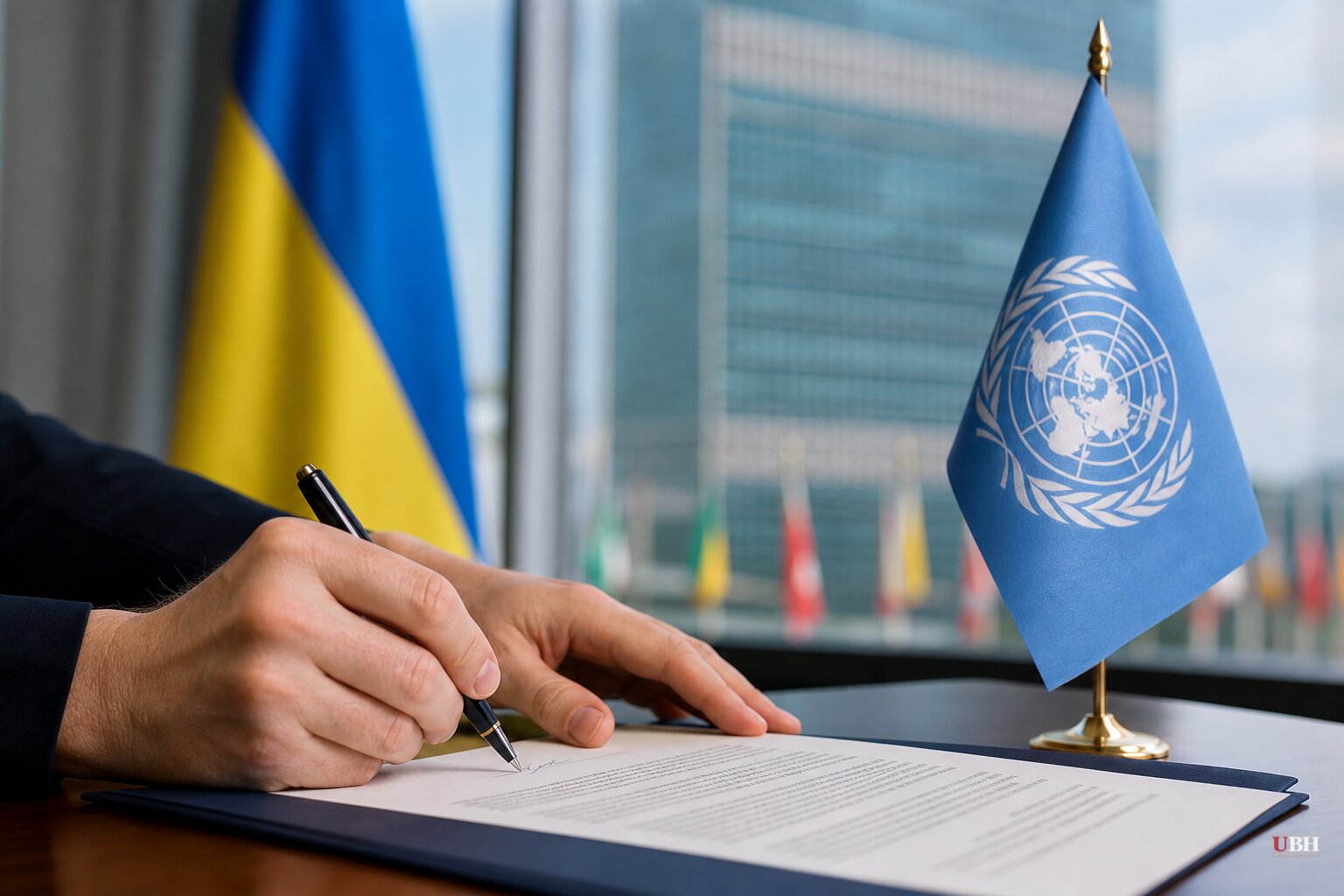
Volodymyr Zelensky told airlines, insurers and anyone still using Russian airports that Russian airspace is "becoming completely dangerous" as Ukraine expands its drone campaign deep into Russian territory, according to the BBC.
"There will simply be drones in Russia's skies on a scale that has to be taken into account," Zelensky said, according to CNBC. He insisted Ukraine isn't targeting civilian aircraft, but the warning was blunt: don't count on Russian airspace being safe anymore.
Ukraine backed the words with paperwork. Foreign Minister Andrii Sybiha said Wednesday, September 2, that Kyiv formally notified the International Civil Aviation Organization that Russian airspace is unsafe for civilian traffic, according to Euronews. "We want to prevent unintended incidents," Sybiha said on X, adding that Russia has been "deliberately ignoring the existing threats" from its own war.
The disruptions are already real
Moscow's Sheremetyevo airport logged 21 cancellations and 235 delays on Wednesday, while Vnukovo saw 22 cancellations and 94 delays, according to Flightradar24 data cited by Reuters and reported by the Times of India.
Turkish low-cost carrier Pegasus Airlines cancelled 12 flights to and from Vnukovo overnight and diverted a flight from Antalya to Moscow over security concerns, according to Euronews. Turkish Airlines, the country's flagship carrier, kept most Moscow service running but scrapped two departures and two arrivals through Istanbul.
Russia's Transport Minister Andrei Nikitin pushed back on the idea that safety is in doubt, telling reporters Moscow is "working in close contact with the ministry of defence and the Russian National Guard" and doesn't expect major disruption to civil aviation, according to the Times of India.
Putin calls it terrorism, vows to hit back
Vladimir Putin didn't take the warning quietly. Speaking at the Shanghai Cooperation Organisation summit in Kyrgyzstan, he called Zelensky's comments a "declaration of state terrorism" and said flatly: "You don't negotiate with terrorists," according to the Guardian.
Putin also said he's ordered the Russian military to prepare "mass strikes" on Ukraine's energy infrastructure ahead of winter. "They are striking us, and they will get a response," he said, according to the Guardian. That's Putin's stated justification, not an independently verified military assessment, but it puts Ukrainian civilians squarely in the crosshairs again as cold weather approaches.
Who's still flying, and why it matters
Most Western carriers have avoided Russian airspace since Moscow's full-scale invasion began in February 2022. Qatar Airways and flydubai both told the BBC they're monitoring the situation closely but haven't pulled out. Chinese, Turkish and Gulf state carriers continue routing through Russian skies, and Reuters reported that U.S. airlines have complained this gives those competitors a real edge on flight time and fuel costs on long-haul routes.
The safety concern here isn't hypothetical. A Malaysia Airlines jet was shot down over eastern Ukraine in July 2014, killing all 298 people aboard. Aviation risk firm Osprey Flight Solutions told the Times of India that Ukrainian strikes deeper into Russia are "near-certain" on a near-daily basis through 2026, mostly within 300 kilometers of the border but with deeper strikes continuing. Osprey specifically flagged the danger of "miscalculation or misidentification" when Russian air defenses engage incoming drones. That's exactly the kind of scenario that could put a civilian jet in the wrong place at the wrong time.
Ukraine's own airspace has been closed to civilian traffic since the invasion began, so Kyiv is arguing Russia should face the same reality once drone traffic gets heavy enough overhead.
Where the money keeps flowing
Separately, Germany has signaled it will send new air defense packages to Ukraine after Russia launched roughly 1,500 drones over a four-day span at the end of August. Berlin and Kyiv are finalizing a drone cooperation agreement. Whether that aid actually blunts Russia's winter energy campaign, or just adds another line item to a war that's already cost Western taxpayers hundreds of billions, remains to be seen.
Turkish, Chinese and Gulf carriers now face pressure to change course before a drone or Russian air-defense missile puts a civilian airliner in danger. Right now, none of them have announced plans to stop flying.
Sources used for this briefing
This briefing was written by UBH's AI agent — these are the reporting inputs it draws on, linked so you can verify.


