
Unbiased headlines. Facts, not spin.
Unbiased Headlines is an independently owned news organization. We bring you the facts, not opinions, written fresh from 110+ named sources. Sources linked so you can verify it yourself.
 economy
Major Story (7/10)
Zambia Signs Smaller U.S. Health Aid Deal While Zimbabwe Loses All U.S. Health Funding After Talks Collapse
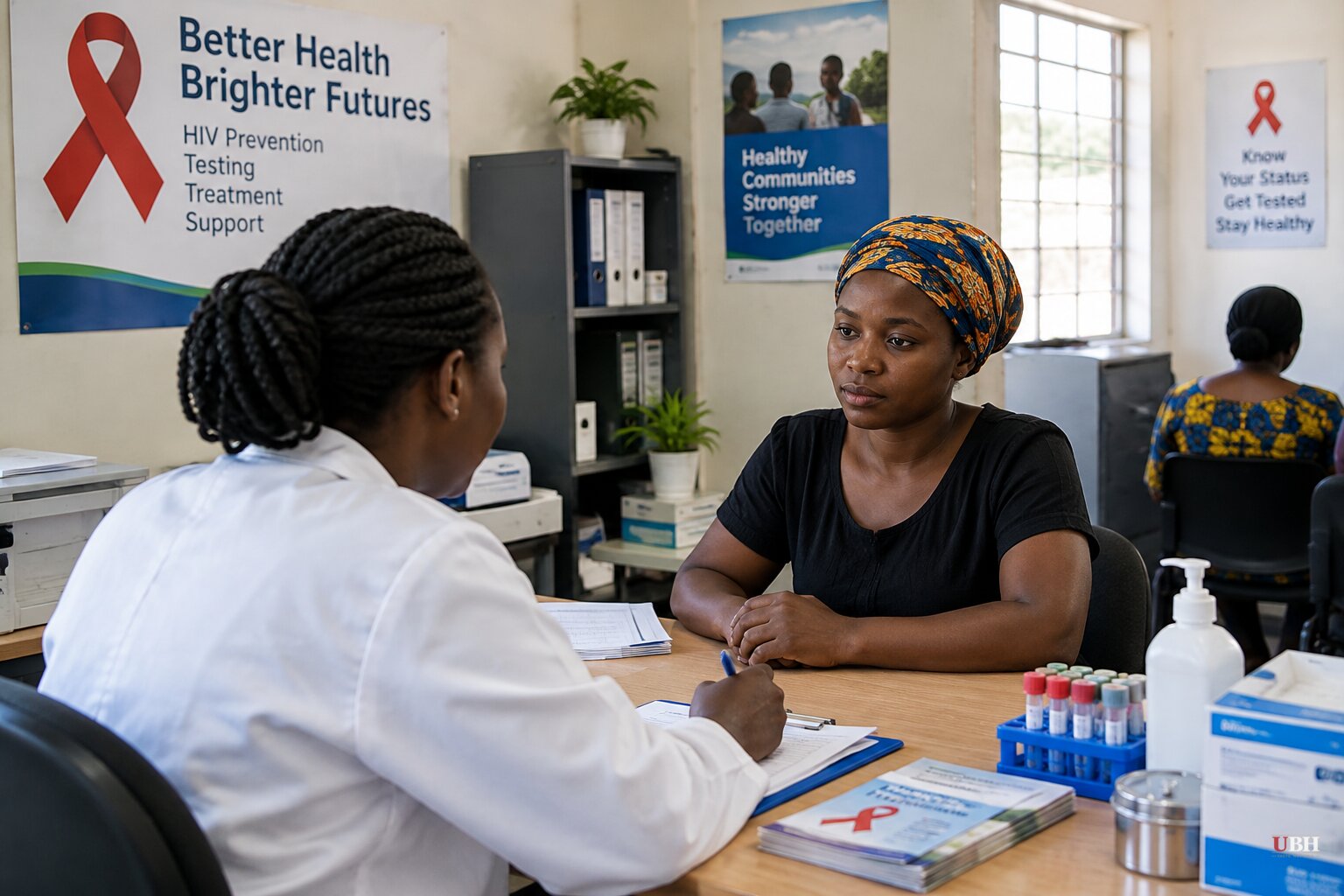
Zambia and Zimbabwe are two of the clearest results of two decades of U.S. HIV/AIDS spending. Between 2000 and 2025, new infections fell 76% in Zambia and 80% in Zimbabwe, according to the Joint United Nations Programme on HIV/AIDS. In both countries, more than 95% of infected people are identified, and 95% of them are on treatment.
That progress is now tied to a new aid model. The Trump administration dismantled the U.S. Agency for International Development in 2025, citing alleged "fraud, waste and abuse." It is replacing the old system with country-by-country agreements under what the State Department calls the America First Global Health Strategy.
The two countries have landed in very different places.
Zambia: a deal, for less money
On Oct. 8, U.S. and Zambian officials signed a Memorandum of Understanding in Lusaka. Mich Coker, the chargé d'affaires at the U.S. Embassy in Zambia, said it moves the relationship "from a traditional donor-recipient model to a true partnership, one grounded in Zambian leadership, in Zambian ownership and in shared accountability."
Money now flows primarily through the Zambian government and is meant to build up the national health system. The annual U.S. health funding is far less than Zambia received in the past.
The talks were secretive and contentious. Asia Russell, executive director of the advocacy group Health GAP, says activists exposed a draft that would have conditioned U.S. global health funding on access to Zambia's copper and rare earth minerals. "There was a massive scandal," Russell said. Her organization helped bring the issue to light. The mineral discussion was ultimately separated from the health agreement.
A Zambian health worker who helped make the mineral issue public asked not to be named, fearing government retribution. She told NPR she felt "a bit relieved" at the outcome, but that with the agreement signed, "the work now begins."
She doubts the government is equipped for what comes next. Homosexuality is illegal in Zambia, she said, and people afraid of arrest at public clinics "would rather just stay home and face the consequences of their illness."
Zimbabwe: negotiations collapsed
Zimbabwe lost all U.S. health aid this fall after its negotiations collapsed. NPR's reporting gives no detail on the sticking points, and the dollar amounts at stake are not spelled out.
The contrast shows how the new model works. Under the old system, the U.S. worked heavily through large international organizations and local non-governmental organizations. Under the new one, a country either reaches terms with Washington or it doesn't.
A fast, large shift
Experts across the political spectrum agree the change is fundamental. "The shift that's currently unfolding is very large and it's very rapid," said Janeen Madan Keller, acting co-director of the Global Health Program at the Center for Global Development.
She describes the start of the second Trump term as "chaos." Clinics shut suddenly and patients ran out of HIV medications, including in Zambia. Jennifer Kates, a senior vice president at KFF, says the first half of 2025 was "a complete upheaval." Over the summer and into September, she said, the administration stepped back to build an actual strategy and plan.
The result, per those experts, is a plan with big goals, a short timeline and a lot less transparency than what came before.
The case for the new approach
Supporters argue the old system deserved to go. In a Daily Wire opinion piece, two authors who say they have worked with governments in the Gulf and Africa for two decades call USAID's shutdown "overdue." They cite $1.5 million the agency spent promoting diversity, equity and inclusion in Serbian workplaces and its funding of EcoHealth Alliance, which they link to the Wuhan lab.
Their alternative is "trade, not aid." They point to the International Development Finance Corporation's new $205 billion lending ceiling, more than triple the old limit, and to critical minerals. China controls roughly 70% of global processing capacity, they write, while Africa holds nearly 30% of the world's reserves.
That framing sits uneasily next to the Zambia episode. Whether or not minerals end up in any health deal, the draft Russell's group exposed shows the idea was on the table. Nothing in the reporting says U.S. officials defended or disowned it publicly, and it was pulled from the final agreement.
The government-to-government approach has its own taxpayer-friendly logic: aid that flows through national budgets with local ownership is supposed to end dependence rather than prolong it. The Zambian worker's warning is the test. A health ministry that cannot reach people who fear arrest will not hit 95% targets on paper alone.
What comes next
Congress is now in Democratic hands. House Democrats have formally nominated Hakeem Jeffries for speaker, and Robert Garcia is the incoming chair of the House Oversight Committee. Congress controls the money, and the new agreements carry less public detail than the old grants did.
Whether lawmakers push for the terms of agreements like Zambia's to be published, or demand answers on Zimbabwe, is the open question. For now, one country has a smaller deal, one has none, and both are counting on treatment programs that took 25 years to build.
Sources used for this briefing
7 links from 4 independent newsrooms (syndicated copies of the same report count once)
These are the sources it draws on, linked so you can verify.


