
Original briefings. Zero spin.
Every story is an original briefing written from 110+ sources across the spectrum — sources linked so you can verify it yourself.
 finance
Major Story (7/10)
Event date: September 3, 2026
finance
Major Story (7/10)
Event date: September 3, 2026
Yen Jumps to ¥154.06, Erasing Entire July Intervention Rally as BOJ Rate Hike Bets Build
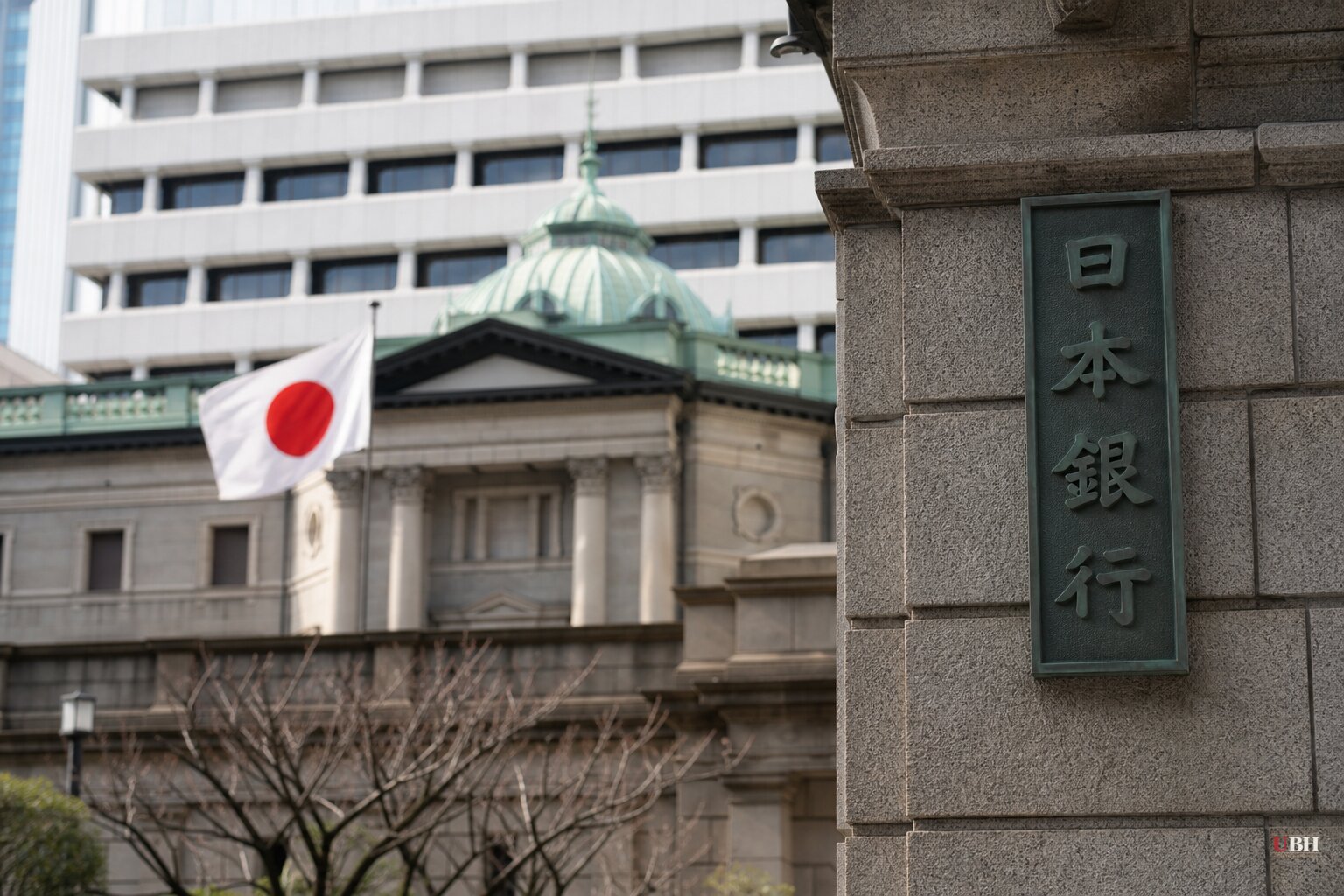
Since Japan and the US staged their first coordinated yen-buying operation in decades on July 31, the currency has swung from a 40-year low near ¥164 per dollar to something nobody expected: blowing straight past the intervention's own peak. On Monday, the yen gained as much as 1.4% to ¥154.06 per dollar, its strongest level since February, according to The Japan Times. That's a sharp reversal from just last week, when the yen had slid back to ¥160.39.
Traders are pricing in growing odds that the Bank of Japan will raise interest rates at its policy meeting scheduled for September 17-18, according to The Japan Times and Bloomberg. Markets are also chewing over speculation that Japan's Government Pension Investment Fund, the world's largest pension fund, could shift its asset allocation toward yen-denominated holdings, per The Japan Times. Either development would pull capital back into Japan and squeeze the carry trade, where investors borrow cheap yen to fund purchases of higher-yielding assets abroad.
The Intervention Bill Keeps Climbing
Japan's Ministry of Finance spent roughly $36.6 billion in the immediate leg of the July 31 operation, according to Crypto Briefing. Over the following month, from July 30 to August 26, outlays ballooned to 15.4 trillion yen, or about $98.7 billion, per Japan's finance ministry figures cited by both CNBC and Crypto Briefing. Add earlier operations from earlier in the year and total 2026 intervention spending runs close to $170 billion, Crypto Briefing reported.
The US contribution remains undisclosed by Washington, though a Reuters photo from July 31 showed Treasury Secretary Scott Bessent's notepad reading "Buy Japanese Yen (JPY) $5-10 bil," according to CNBC. Bessent called the joint action decisive and told CNBC's Sara Eisen on August 31 that he believes Japan and the BOJ "will do the things that will lead to a stronger yen." He's also privately pushed Japanese officials to communicate their rate path more clearly, CNBC reported, citing local media.
That's $170 billion in taxpayer-funded currency defense on Japan's side alone, propping up a currency that a growing chorus of analysts says was never going to stabilize without the BOJ actually raising rates. Japan Macro Advisors chief economist Takuji Okubo told CNBC it's "possible" some of the recent yen moves reflect further stealth intervention, though he said he doesn't think the finance ministry has been running this kind of small-scale covert buying before. No one has confirmed whether Monday's jump involved any fresh government buying at all.
Rates, Not Rhetoric, Are Doing the Work Now
BOJ Governor Kazuo Ueda told reporters at the G20 finance ministers meeting in Asheville, North Carolina, that the bank needs to "pay greater attention than before to upside risks" as inflation approaches the 2% target, according to the Epoch Times. Board member Hajime Takata went further, saying hikes should be "conducted in a nimble and data-dependent manner," a comment Swissquote senior analyst Ipek Ozkardeskaya said opened the door to a possible outsized or back-to-back rate increase.
Markets have largely priced in a quarter-point hike at the September meeting. Oxford Economics analysts wrote in an August 31 note that they now expect the BOJ's policy rate to reach 1.75% by next April, faster than their earlier forecast, saying the bank will want to get ahead of yen weakness and rising inflation expectations. Corporate inflation expectations hit 2.7% in the second quarter, per Trading Economics data cited by the Epoch Times, near the 2.8% record set in early 2023.
The bond market is already pricing the shift. Japan's 10-year government bond yield topped 3% for the first time since 1996, and the 30-year yield sits near a record 4.17%, according to the Epoch Times.
The Contradiction Nobody's Resolved
Atsushi Mimura, Japan's top currency official, said Friday there's "been no change in his fighting stance on the yen," according to The Japan Times. This comment landed even as the currency was strengthening well past levels that used to trigger intervention. Days earlier, on the same beat, Mimura told reporters authorities remain "neither satisfied nor reassured" and stay on "heightened alert," per Reuters reporting carried by CNBC. Translation: Tokyo isn't declaring victory. Officials spent years watching the yen crater to 164; a rebound to 154 doesn't mean they trust it to hold.
Japan's solo interventions in past years produced sharp but short-lived bounces before the yen resumed its slide once the intervention cash got absorbed by the market, Crypto Briefing noted. The difference this time, analysts say, is that actual rate hikes, not just currency purchases, are now doing the heavy lifting.
The Federal Reserve's own September 16 meeting is currently a coin flip. CME FedWatch data shows a 49.6% chance of a rate hold versus 50.4% odds of a 25-basis-point hike, per marketpulse, driven by a 3.7% 12-month PCE reading and hawkish signals from Fed Chair Kevin Warsh. Whatever the Fed does on September 16, followed by the BOJ's decision on September 17-18, will determine whether Monday's ¥154.06 print holds or whether Japan is back to buying yen with taxpayer money within weeks.
Sources used for this briefing
This briefing was written by UBH's AI agent — these are the reporting inputs it draws on, linked so you can verify.


