
Unbiased headlines. Facts, not spin.
Unbiased Headlines is an independently owned news organization. We bring you the facts, not opinions, written fresh from 110+ named sources. Sources linked so you can verify it yourself.
 health
Notable (6/10)
WHO chief says northern Ethiopia's health system is nearing collapse after drone strikes killed civilians
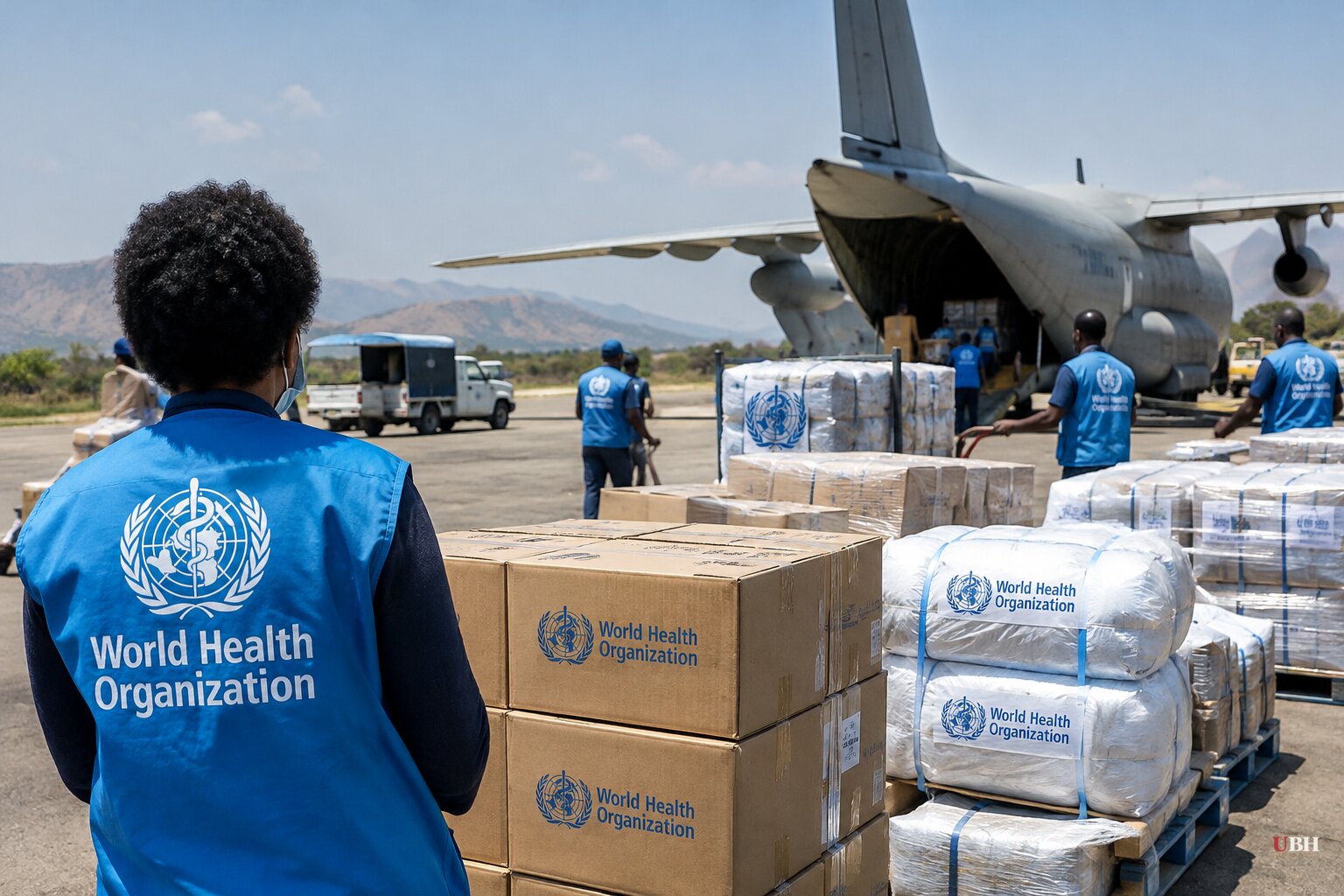
The World Health Organization's top official said Monday, Nov. 2, that violence in northern Ethiopia is "pushing an already fragile health system closer to collapse."
Director-General Tedros Adhanom Ghebreyesus made the statement in a post on X. He called reports of attacks on civilians in the Amhara and Tigray regions "deeply disturbing."
What Tedros reported
Tedros said children, including a newborn, were reportedly among those killed at the Jaari 2 displacement camp in Amhara. In the town of Rama in Tigray, he said, several people were reportedly killed while trying to get food.
He gave no overall casualty figures and no dates for either attack. He did not say who was responsible.
Sources involved in a rescue operation told Reuters that at least 15 people, several of them children, died in a series of drone strikes on the Amhara camp on Friday, Oct. 30. That count comes from those sources. Tedros has not confirmed it.
"While these are the latest incidents, drone attacks and civilian casualties have tragically become frequent across Ethiopia," Tedros said.
A health system short of everything
The WHO chief described hospitals in the north facing shortages of health workers, medicines and equipment. Ambulance services are "severely limited," he said. Insecurity is blocking deliveries of life-saving supplies to some areas.
Tedros warned that as fighting continues, more people will lose access to emergency care, maternal and child health services, and treatment for diseases. He said WHO and other UN agencies are working to deliver more supplies and called for health workers and humanitarian cargo to be allowed through.
Aid cuts are making a bad situation worse. Anadolu Agency reported that the attacks have further strained families already short of food, medicine and shelter after reductions in aid. Guests on a Refugees International podcast episode published Oct. 15 went further, describing a humanitarian blockade in Tigray and pointing to federal government obstruction of aid delivery. The Ethiopian government's response to that charge is not in the record.
A peace deal in tatters
Fresh fighting between federal forces and rebel groups resumed in Tigray, Amhara and Afar in September, according to UN News. That is nearly four years after the November 2022 Pretoria agreement that ended the Tigray war. The deal has been effectively shattered, and fears of a wider conflict are growing.
UN Secretary-General António Guterres has warned of escalation and wider destabilization. Last Friday his spokesperson said he was appalled by recent attacks on civilians, including health facilities. The statement urged the parties to "agree without delay to a cessation of hostilities" and to engage in good faith with mediation.
Tigray is not the only front. Fano, a loose network of ethnic Amhara militias, has fought federal forces in Amhara since 2023. In Oromia, Ethiopia's Orthodox Church said at least 60 Orthodox Christians were killed in separate attacks. U.S. Ambassador Ervin J. Massinga on Saturday condemned reported targeted killings in the Arsi zone and called for an investigation. "Such horrific attacks against any group must stop," he said in a statement posted by the U.S. Embassy.
The messenger problem
Tedros is an ethnic Tigrayan. He served as Ethiopia's foreign minister and health minister when the Tigray People's Liberation Front dominated the ruling coalition.
His criticism of the federal government has drawn accusations of bias before. In January 2022, Ethiopian authorities accused him of using his WHO office to advance political interests. Tedros acknowledged his ties to the region but said he was speaking without bias.
This time he did not name any party as responsible for the strikes. His account of the shortages in hospitals and ambulance services is a general description of conditions in the north, not an accusation aimed at one side.
Government silence, military drills
No Ethiopian government response or public statement addressing the reported attacks was immediately available, and Tedros did not say who carried them out.
Prime Minister Abiy Ahmed did post on social media that government leaders are undergoing military training at Hurso in eastern Ethiopia. He said it strengthens discipline, leadership and readiness. Photos showed him with participants in khaki outfits doing group exercises.
The opposition is organizing as well. The Ethiopian Peoples' Forces Alliance for Survival, a coalition of seven opposition groups, said in a video statement that it approved plans to deepen cooperation among members, coordinate domestic and diaspora campaigns, and expand diplomatic engagement.
It is not yet clear who ordered and carried out the drone strikes on Jaari 2 and in Rama, or whether anyone will investigate. Guterres's call for a cessation of hostilities has so far produced no announced ceasefire.
Sources used for this briefing
6 links from 5 independent newsrooms (syndicated copies of the same report count once)
These are the sources it draws on, linked so you can verify.


