
Unbiased headlines. Facts, not spin.
Unbiased Headlines is an independently owned news organization. We bring you the facts, not opinions, written fresh from 110+ named sources. Sources linked so you can verify it yourself.
 health
Notable (6/10)
Event date: October 31, 2026 ·
Older Voters Head Into Tuesday's Midterms Worried About Medicare Changes and Drug Costs
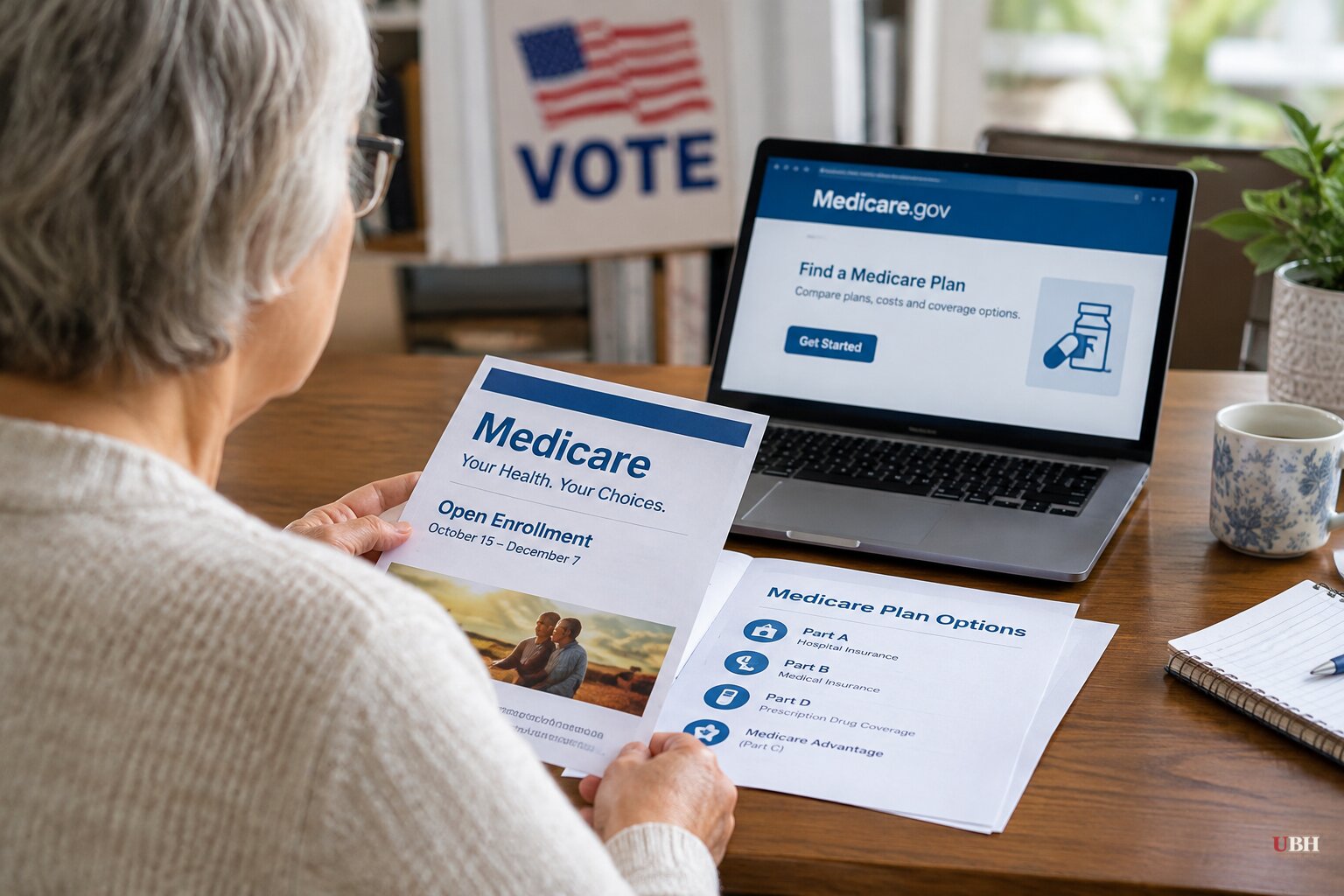
Barbara Weigand did everything the retirement brochures tell people to do. She stayed healthy. She saved for years.
Then came a shoulder surgery and a bladder cancer diagnosis. The 83-year-old from North Canton, Ohio, recently pulled $4,000 out of her retirement account to cover treatment costs.
"On my monthly income, I would not be able to afford my new medical expenses," Weigand told The Associated Press. She is on a Medicare Advantage plan and spent October shopping for new coverage as open enrollment began.
She is not an outlier at the ballot box. An AARP poll conducted in early October found 83% of voters over 50 are extremely motivated to vote in the midterms, which are Tuesday, Nov. 3.
What changes for Medicare enrollees in 2027
Open enrollment began in mid-October. Enrollees are weighing a pile of changes that take effect in 2027:
- Higher Part D out-of-pocket caps.
- The end of temporary federal Part D premium subsidies.
- New drug price negotiations.
- In some states, insurers capping Medicare Advantage enrollment, pulling out of markets or dropping plans people relied on.
Juliette Cubanski, director of KFF's program on Medicare policy, said open enrollment gives people "an opportunity to evaluate the coverage they have and see if there might be better options for them in terms of accessing the care that they need, at possibly a lower cost."
Weigand says she has the mental sharpness and a church community to help her sort through the options. She worries about those who don't. "There are so many changes, and a lot of people my age who don't know where to start," she said. "What do they do?"
The White House drug-price pitch
The Trump administration has made lowering drug prices a centerpiece of its response to voter anger over costs. President Donald Trump has struck multiple most-favored-nation pricing deals with drugmakers and launched a discount drug website, TrumpRx.
In September, the administration said all 50 states would join a program providing most-favored-nation pricing for some drugs within Medicaid.
The administration's position is that these deals show it is tackling soaring costs. Medicaid pricing and a discount website do not, on their face, change the Part D caps and premium subsidies that Medicare enrollees are now sorting through.
Working-age families are paying more too
The pressure is not limited to retirees. KFF's annual employer survey put the average annual premium for employer-sponsored family coverage at $28,303 in 2026, up 5%. Workers paid an average of $7,471 of that, up 9% from a year earlier. Workers at small firms paid about $9,687 toward family coverage.
National spending is climbing as well. U.S. health spending reached nearly $5.3 trillion in 2024, more than $15,400 per person, and is projected to hit 20% of GDP by 2032, up from just under 19% today.
In the ACA marketplace, premiums jumped about 26% this year. An estimated 4.8 million people were expected to go uninsured in 2026 after enhanced ACA subsidies expired. Insurers in multiple states have since sought median increases of roughly 14% to 15% for subsequent years amid enrollment drops.
The market-reform argument
Jeffrey Tucker, writing in a commentary for the Epoch Times, argues that insurance prices are rising at twice the rate of inflation and that the system is "madness." He says families of four to six are paying $4,000 a month or more, that some who can afford to are dropping coverage altogether, and that some are turning to crowd-sourced alternatives. He also claims businesses are freezing headcount at 49 employees to stay under the threshold that triggers an insurance mandate.
Tucker's prescription is to let workers take the cash instead of the employer benefit, which he says millions would choose but is mostly not permitted. He also writes that there is "no pressing political movement to do anything about it." Those are his claims and his proposal. The survey figures above come from KFF.
What comes next
Voters over 50 turn out reliably, and the AARP poll puts their motivation at 83% this year. Whether health costs decide any races is something Tuesday's results will begin to answer.
For enrollees like Weigand, the deadline is practical. The 2027 plan changes take effect with the new year, and the plan chosen during this enrollment period is the one they will live with.
Sources used for this briefing
7 links from 7 independent newsrooms (syndicated copies of the same report count once)
These are the sources it draws on, linked so you can verify.


