
Unbiased headlines. Facts, not spin.
Unbiased Headlines is an independently owned news organization. We bring you the facts, not opinions, written fresh from 110+ named sources. Sources linked so you can verify it yourself.
 health
Notable (6/10)
Event date: October 14, 2026 ·
San Francisco Officials Warn of Mislabeled Supplements After Man Dies With Lab-Made Opioid-Like Compound in System
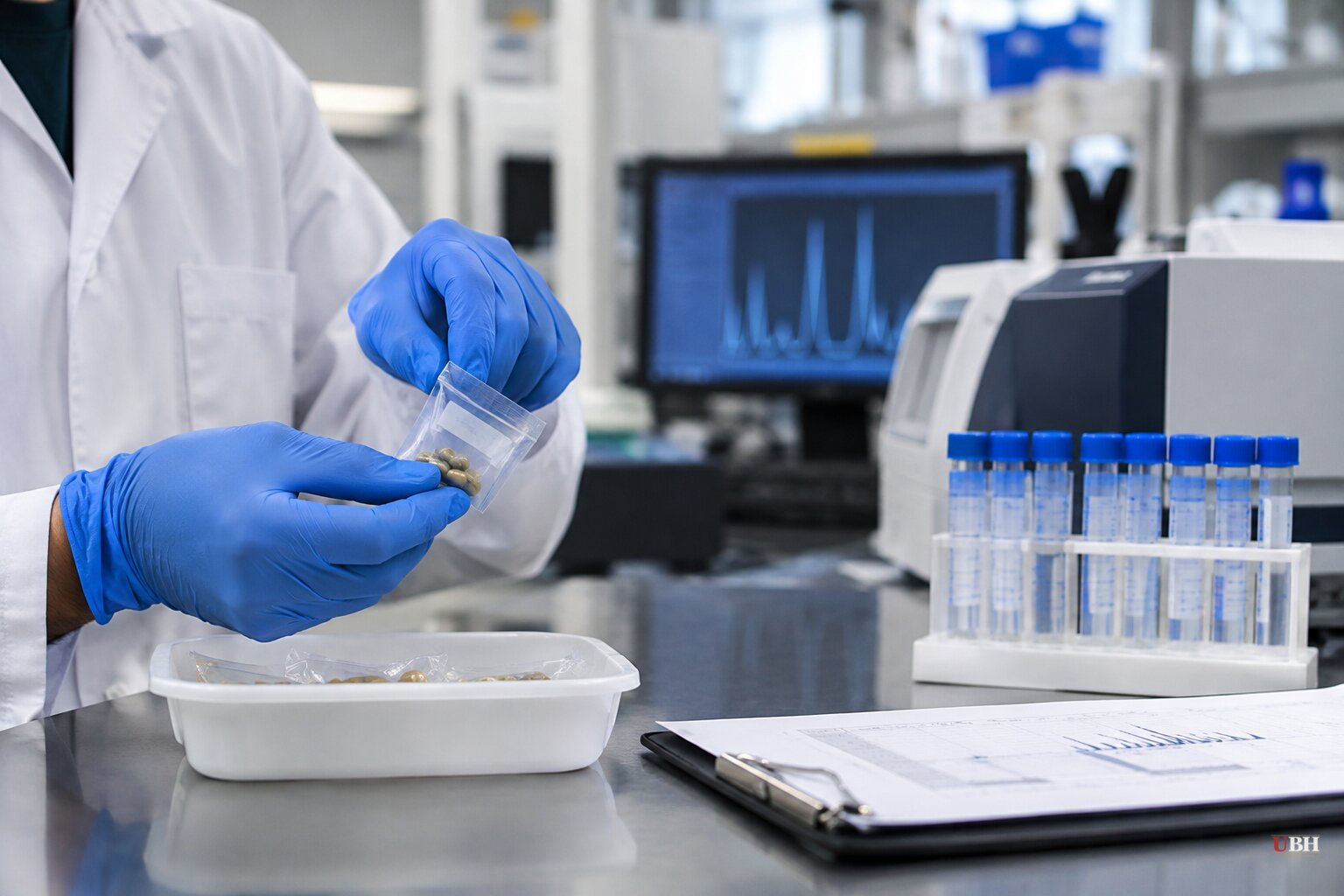
San Francisco health officials are warning the public about supplements sold at gas stations and smoke shops after a 37-year-old man died of an overdose in late September. The product he took was marketed as "cat's claw." It contained something else.
The San Francisco chief medical examiner's office ran forensic toxicology on the man and on a package of four 100-mg tablets labeled "uncaria tomentosa extract," the botanical name for cat's claw. Both tested positive for dihydro-7-hydroxymitragynine, also called MGM-15.
The chief medical examiner ruled the death an accident caused by the "toxic effects of kratom alkaloids," according to a coroner's report obtained by the Los Angeles Times.
What MGM-15 is
MGM-15 is a chemically modified form of 7-hydroxymitragynine, or 7-OH, according to the Coleman Institute for Addiction Medicine. 7-OH is an opioid-like chemical that occurs in trace amounts in the kratom plant. MGM-15 is laboratory-created.
Cat's claw is a different thing entirely. It is a woody vine from the Amazon and other tropical parts of Central and South America, per the National Center for Complementary and Integrative Health. On its own, it does not contain MGM-15.
San Francisco public health officials said the product was sold and marketed as cat's claw without disclosing the MGM-15. The packaging, branded "Script botanicals x Maui labs," made no reference to kratom or 7-OH.
The Times asked Script botanicals for comment. The company had not responded when the paper published.
A pattern, not a one-off
This is not the first time kratom-related products have drawn alarm in California. Last year, kratom and 7-OH, along with other substances, were linked to the deaths of six people in Los Angeles County. State officials responded by pulling associated products off the shelves.
Kratom comes from the leaves of Mitragyna speciosa, an evergreen tree native to Southeast Asia. It is sold as an energy booster, mood lifter, pain reliever and remedy for opioid withdrawal. The FDA has not approved it for medical use and has warned people not to use it. The DEA lists it as a drug of concern.
Mayo Clinic says the amount of active ingredient in kratom leaves varies widely, so the effect of any given dose is hard to predict. It also cites studies finding that some sellers add more of the active ingredient than the plant naturally holds. Products lack clear labels, so users cannot tell how much they are taking.
U.S. poison control centers received more than 3,400 reports about kratom use from 2014 through 2019, Mayo says. Those included reports of death. Reported side effects included high blood pressure, confusion and seizures.
The other side of the data
The evidence does not show kratom is a mass killer, and Mayo says so itself. The clinic says kratom products have been linked to a small number of deaths, a small number compared with deaths from other drugs. Nearly all kratom-linked deaths also involved other drugs or substances that might have been harmful. Mayo says overdose on kratom is possible but rare.
People who use kratom report that it helps them, Mayo notes. The clinic's position is that it has not been shown to be safe or to treat any medical condition, and that there are too few studies to rate the claims made for it.
The San Francisco death sits in a murkier place than ordinary kratom use. The medical examiner's finding names kratom alkaloids, but the substance confirmed in the man and in the tablets was a lab-modified compound, sold under the name of an unrelated herb. The reporting does not say whether other substances were involved in this death.
What is at stake
An adult can decide to take a risky substance. That choice requires knowing what the substance is. A buyer who picks up a cat's claw supplement at a gas station has no reason to think he is taking a synthetic opioid-like chemical.
It is unclear who answers for that. Script botanicals has not publicly responded, and no enforcement action against the brand has been reported. San Francisco health officials have not said whether other products from the same brand or other retailers carry the same compound.
Sources used for this briefing
2 links from 2 independent newsrooms (syndicated copies of the same report count once)
These are the sources it draws on, linked so you can verify.


