
Unbiased headlines. Facts, not spin.
Unbiased Headlines is an independently owned news organization. We bring you the facts, not opinions, written fresh from 110+ named sources. Sources linked so you can verify it yourself.
 health
Major Story (8/10)
Event date: October 31, 2026 ·
Africa CDC Puts Ebola Death Toll at 5,376 Across Three Countries as Confirmed Cases Reach 10,444
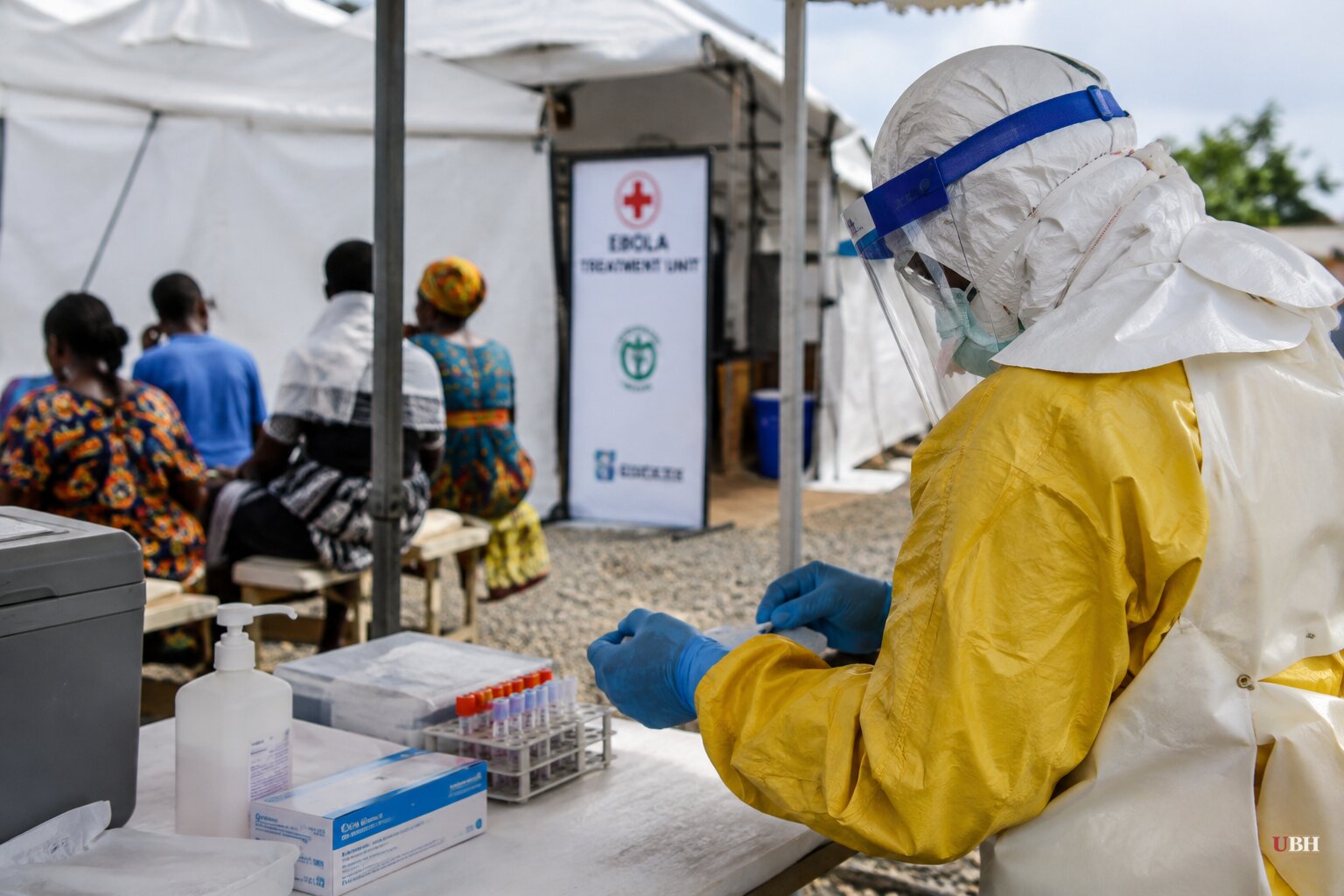
Since Congo declared the Bundibugyo outbreak on May 15, the toll has kept climbing. Africa CDC data shared Monday, Nov. 2, put deaths at 5,376 and confirmed cases at 10,444.
The agency's breakdown: 5,372 deaths in the Democratic Republic of Congo, two in Kenya and two in Uganda. The fatality rate is above 50%.
The Congolese Health Ministry's figures from Saturday, Oct. 31, showed 5,026 dead out of 10,351 infected. Africa CDC's count is the first to fold in deaths outside Congo.
The spread beyond Congo
Uganda recorded 20 cases, almost all in people who had travelled from Congo, before being declared Ebola-free in August. Kenya reported nine infections in October, the first Ebola cases in the country's history.
Nigeria also reported a case in October. The patient is a 42-year-old Swiss woman whose husband works at the Swiss embassy in Abuja. The couple had travelled to Uganda before returning to Nigeria, and she was later evacuated to Switzerland.
Uganda has ordered a 21-day quarantine for citizens returning from Congo. Kenya's Red Cross simulated an evacuation of an Ebola victim's remains in Nairobi on Oct. 22.
Where the outbreak stands inside Congo
The virus has reached 67 of Congo's 178 health zones across eight of 26 provinces. Fifty of those zones have active cases. Ituri and North Kivu are the epicenters, with 9,782 confirmed cases and 4,792 deaths between them.
The core problem is that health workers cannot see where the virus is moving. Africa CDC says about 80% of new cases come from outside the chains of contacts that authorities are monitoring. The agency has said at least 95% must come from known contacts before the outbreak can be considered under control.
Dr. Patrick Otim, a programme area manager at the World Health Organization, said one-third of recorded deaths occur outside treatment centers, before the person is ever tested. "These are people we never had opportunity to try to save them," he said. "How do we try to reach people early to get them to come to health facilities to get a fighting chance to survive?"
A Congolese government count cited this week found 40 of the 46 most recent deaths happened in communities, not in treatment centers. Violence against responders recently left a nurse dead, according to the government and the United Nations. Dozens of armed groups, including the Islamic State-linked Allied Democratic Forces, operate across the region.
How it compares
This is the second-deadliest Ebola outbreak on record. Only West Africa's 2014 to 2016 epidemic is bigger, with more than 28,600 cases and more than 11,000 deaths.
Katie Thomas-Canfield, interim Ebola response director for the International Rescue Committee, said the West African outbreak had only about 4,000 infections at a comparable point. "Ten thousand people affected by Ebola in such a short period is really staggering," she said.
About a third of the dead are children. Roughly three out of four infected children under 5 have died, according to NPR's reporting. In some provinces, maternal deaths doubled soon after the outbreak was declared, and routine childhood vaccinations have been disrupted.
A late start and no approved vaccine
The outbreak was declared in May, but more recent evidence suggests the virus began spreading in February or March. Thomas-Canfield said that gap meant responders "started at a disadvantage."
Bundibugyo is a rarer species of Ebola, and existing tests were not calibrated for it. The region is remote and conflict-ridden. Nahid Bhadelia, an infectious disease physician at Boston University, said U.S. cuts to foreign aid may also have slowed disease surveillance. No one in the reporting has quantified that effect.
No vaccine or treatment is approved for Bundibugyo, and patients receive symptom-based care. The WHO announced a first clinical trial of a vaccine against the strain on Friday, Oct. 23. Africa CDC says trials of Ervebo, which has proved effective against the more common Zaire strain, have begun in recent weeks.
Mohamed Janabi, WHO's regional director for Africa, said at a press conference last week: "We must reach people earlier, bring safe care closer, and strengthen trust before fear becomes a barrier to survival."
The measurable test now is the contact-tracing gap. With roughly 80% of new cases outside known chains, against Africa CDC's 95% threshold, the outbreak is nowhere near the line it must cross to be called controlled.
Sources used for this briefing
7 links from 7 independent newsrooms (syndicated copies of the same report count once)
These are the sources it draws on, linked so you can verify.


