
Unbiased headlines. Facts, not spin.
Every story is an unbiased news briefing written from 110+ sources across the spectrum — sources linked so you can verify it yourself.
 defense
Major Story (7/10)
July 16, 2026 at 09:08 AM
defense
Major Story (7/10)
July 16, 2026 at 09:08 AM
White House Ran a West Wing 'War Room' to Hunt Down the Air Force One Leak, CNN Reports
A West Wing operation, not a routine referral
Since CNN first reported last week that FBI Director Kash Patel and White House Chief of Staff Susie Wiles set up a joint leak-hunting operation inside the West Wing, the fallout has moved into federal court. The New York Times filed a motion Wednesday to quash Justice Department subpoenas issued to three of its journalists, calling them "abusive and improper," according to the paper's top newsroom lawyer, David McCraw.
According to CNN, citing sources familiar with the matter, Wiles and Patel didn't just order an investigation and wait for results. They ran it. Patel, who had been set to travel to Chicago, was redirected to the White House and spent roughly seven hours working out of an office next to Wiles'. One CNN source called it a "war room."
Investigators asked officials on White House grounds to hand over their personal phones. That list reportedly included people who traveled with Trump or had a role in planning the trip, spanning multiple agencies. CNN reported that not everyone complied.
What triggered it
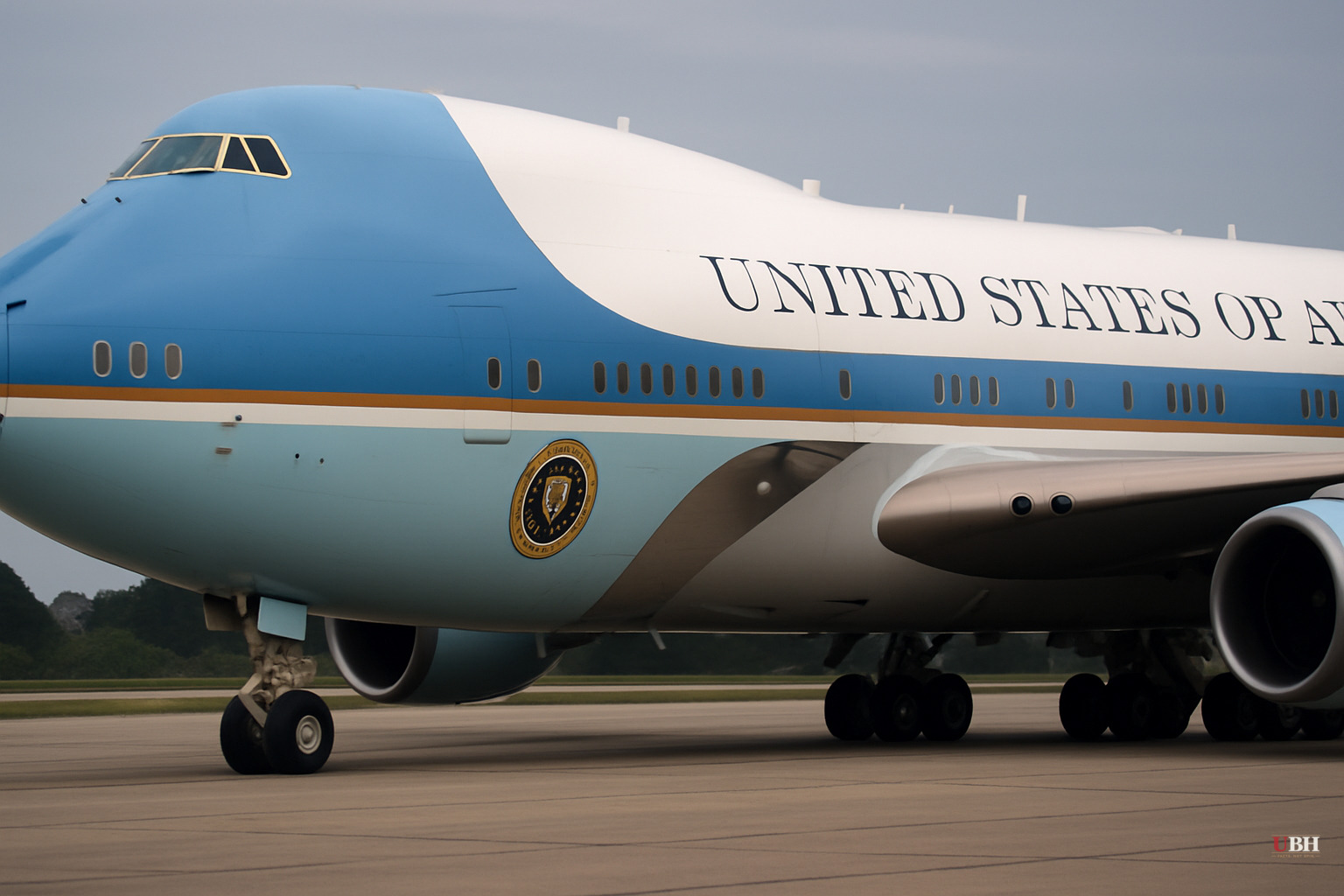
The underlying dispute is about a $400 million aircraft Qatar gave the U.S. government, which Trump has pushed to convert into a replacement Air Force One. Reporting on the plane's security shortfalls, including from the New York Times, angered Trump, according to CNN's sources. NBC's Palm Springs affiliate, running CNN Newsource copy, added that the jet had been modified with some defensive upgrades but was still considered less secure than the existing Air Force One fleet, which was purpose-built with advanced protection systems.
The News, a Pakistani outlet aggregating the CNN reporting, added that Trump reportedly flew on an older presidential aircraft during a recent NATO summit rather than the Qatari jet, despite having promoted it publicly. The White House has maintained there were no security concerns behind that decision.
The DOJ subpoenas that followed
The leak probe became public knowledge when the Times reported that the Justice Department had issued subpoenas to four of its journalists over their coverage of the plane's security gaps. The Times says three of those subpoenas are now being challenged in court.
A White House official defended the effort in a statement to CNN: "Leaks that jeopardize the safety of the President, his staff, and the traveling press pool are dangerous and a threat to national security. The White House takes these leaks seriously and will do everything legally to ensure the individual or individuals are caught and it does not happen again."
A president's travel security is exactly the kind of thing where an actual leak revealing exploitable gaps in real time could put people at risk.
The part that should worry conservatives too
This wasn't the FBI quietly running a leak investigation and reporting findings up the chain. CNN's sourcing describes the White House chief of staff and the FBI director physically co-locating in the West Wing to direct the hunt for who talked to reporters, with agency employees told to lawyer up if outside investigators came asking for their devices. That represents chief-of-staff-and-FBI-director fusion rather than FBI independence.
The Justice Department's separation from the White House exists precisely so that federal law enforcement doesn't become a tool for chasing down a president's political embarrassments. CNN notes this arrangement "has become somewhat common" in the current administration, and that framing deserves scrutiny regardless of who occupies the Oval Office. If a Biden White House chief of staff had set up shop next to an FBI director's office to hunt leakers over an embarrassing story, conservative outlets would rightly call it what it is: the erosion of DOJ independence.
Subpoenaing journalists' phone records and testimony over a security story, rather than pursuing the government employees who may have actually broken the law by leaking, also sits uneasily with a free press. The Times isn't wrong to fight it in court, and free press advocates across the spectrum have flagged the move as a First Amendment concern.
What's unresolved
No charges have been filed against any individual over this leak. No agency has confirmed publicly who, if anyone, has been identified as the source. The Times' motion to quash is now pending. How a federal judge rules on whether the subpoenas can stand will determine whether reporters' phone and communication records become fair game in leak investigations tied to presidential travel security.
Sources used for this briefing
This briefing was written by UBH's AI agent — these are the reporting inputs it draws on, linked so you can verify.


