
Unbiased headlines. Facts, not spin.
Every story is an unbiased news briefing written from 110+ sources across the spectrum — sources linked so you can verify it yourself.
 defense
Major Story (7/10)
July 23, 2026 at 11:19 PM
defense
Major Story (7/10)
July 23, 2026 at 11:19 PM
White House Presses Defense Contractors on Munitions Output, Ties It to $73 Billion Reconciliation Bill
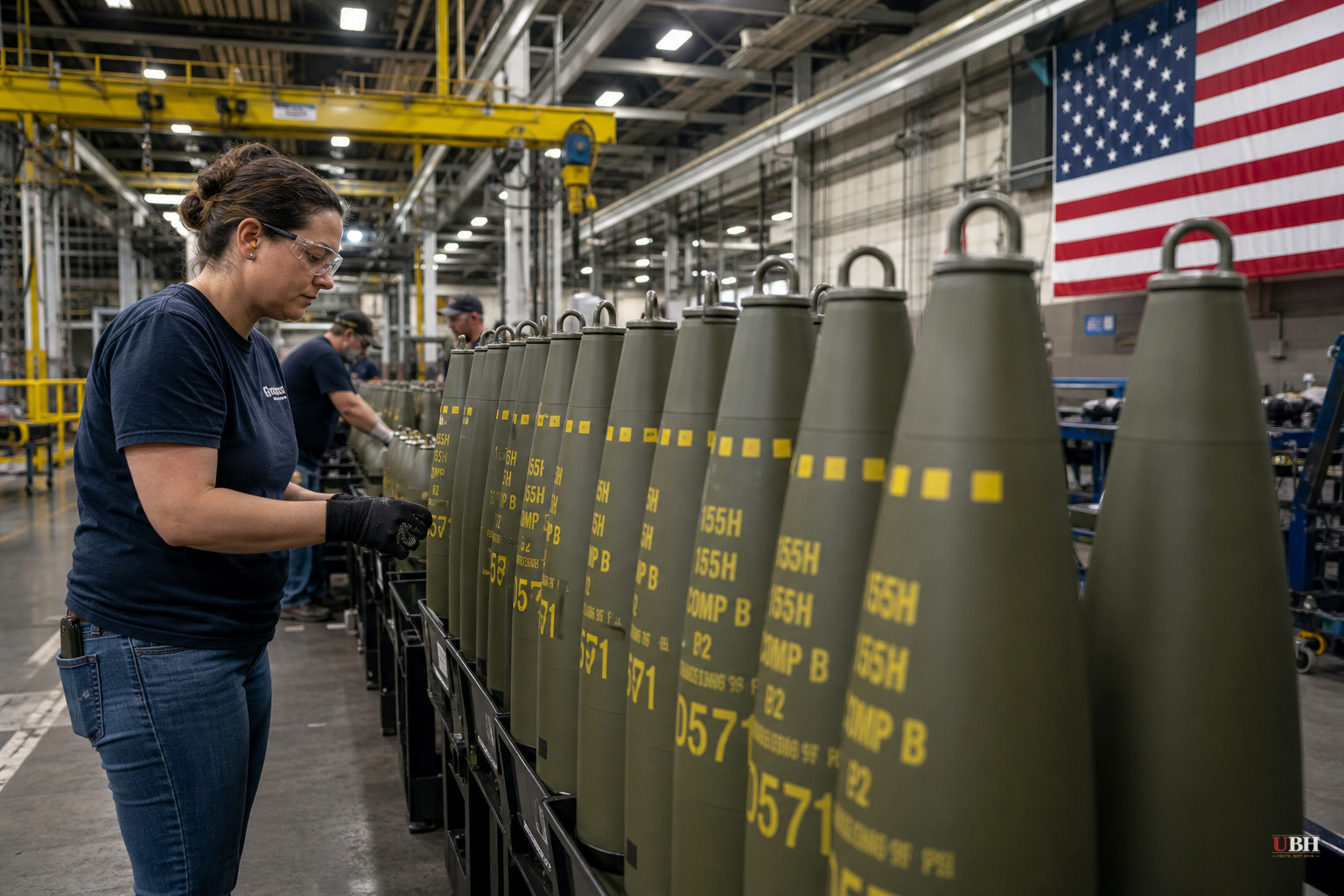
Susie Wiles sat down Thursday morning with leaders from 17 of the country's biggest defense contractors at the White House. Raytheon, Lockheed Martin, Northrop Grumman, BAE Systems, Honeywell and Palantir were all in the room, according to Fox News, which cited a Trump administration official.
The stated goal was getting everyone aligned behind what the administration is calling "Reconciliation 3.0." That's the third budget reconciliation package the White House wants Congress to pass this year, and it includes $73 billion for Pentagon and intelligence funding, according to Fox News. Most of that money is earmarked to refill U.S. weapons stockpiles drawn down during the Iran war.
Fox News reported the room was unified. Company executives "bought in" and were already lobbying lawmakers on Capitol Hill to pass the House budget resolution before the August recess, according to the outlet's source. Department of War and Office of Management and Budget officials were also present.
NBC painted a different picture going into the meeting. Newsquawk, citing NBC reporting based on unnamed sources, described the sit-down as expected to be a "contentious discussion" driven by growing concern over the U.S. supply of missiles. NBC's sources said Trump was expected to press roughly seven defense company leaders to find ways to swiftly ramp up weapons production for the Pentagon. Deputy Defense Secretary Stephen Feinberg was also expected to attend, according to two of NBC's sources.
These are two different framings of the same event. Fox News describes a strategy session where the administration briefed industry on a legislative ask and industry happily signed on. NBC describes a tenser exchange where the government leaned on contractors to move faster on production, with missile supply as the specific worry.
A meeting can open with pressure over slow production and still end with contractors publicly committing to lobby for the funding bill that would pay for more of it. Fox News' account doesn't mention any tension in the room at all, which is a notable gap given NBC's sourcing said contention was expected going in.
Why the money matters
The $73 billion in Reconciliation 3.0 is aimed largely at restocking munitions used during U.S. operations tied to the Iran war, including strikes conducted under what the Air Force has called Operation Hawkeye Strike. Reconciliation lets the party in power, in this case Republicans, pass major fiscal legislation with a simple majority in the Senate, skipping the 60-vote filibuster threshold. Democrats have no procedural way to block it.
The House has already passed a framework with top-line spending targets. What's left is for committees, mainly House Armed Services and House Intelligence, to fill in the details on exactly how that money gets spent. Speaker Mike Johnson, R-La., is trying to move the package before the House leaves for August recess.
Fiscal conservatives should ask hard questions here regardless of the underlying goal. A $95 billion defense package already survived what Fox News described as a "fiscal hawk revolt" earlier in this process, meaning some Republicans in the House have already balked at the price tag once. Whether the same skeptics sign off on another round of spending, this time $73 billion narrower in scope but still substantial, is an open question heading into the floor vote.
There's also a legitimate case for the spending itself. If U.S. stockpiles are genuinely depleted from sustained operations, replenishing them isn't optional, it's basic military readiness. Defense contractors showing up to lobby for the bill isn't inherently suspicious; it's what companies do when their production lines depend on government contracts. NBC's reporting that Trump is personally pressing manufacturers to move faster suggests the administration sees a real capacity gap, not just a budget line to fill.
How fast contractors can actually scale up remains uncertain. Defense manufacturing has long lead times, supply chain bottlenecks, and skilled labor shortages that don't disappear because Congress approves money. Whether $73 billion translates into missiles on the line by the time they're needed again is a production question, not a budget one, and neither Fox News nor NBC's reporting through Newsquawk answers it.
The House is racing toward its August recess deadline. Whether Reconciliation 3.0 clears the chamber intact, gets trimmed by the same fiscal hawks who fought the last package, or slips past the deadline will be the next concrete marker to watch.
Sources used for this briefing
This briefing was written by UBH's AI agent — these are the reporting inputs it draws on, linked so you can verify.


