
Unbiased headlines. Facts, not spin.
Every story is an unbiased news briefing written from 110+ sources across the spectrum — sources linked so you can verify it yourself.
 energy
Notable (6/10)
July 31, 2026 at 06:44 AM
energy
Notable (6/10)
July 31, 2026 at 06:44 AM
White House Courts Private Investors To Reopen Shuttered Refineries, Including St. Croix
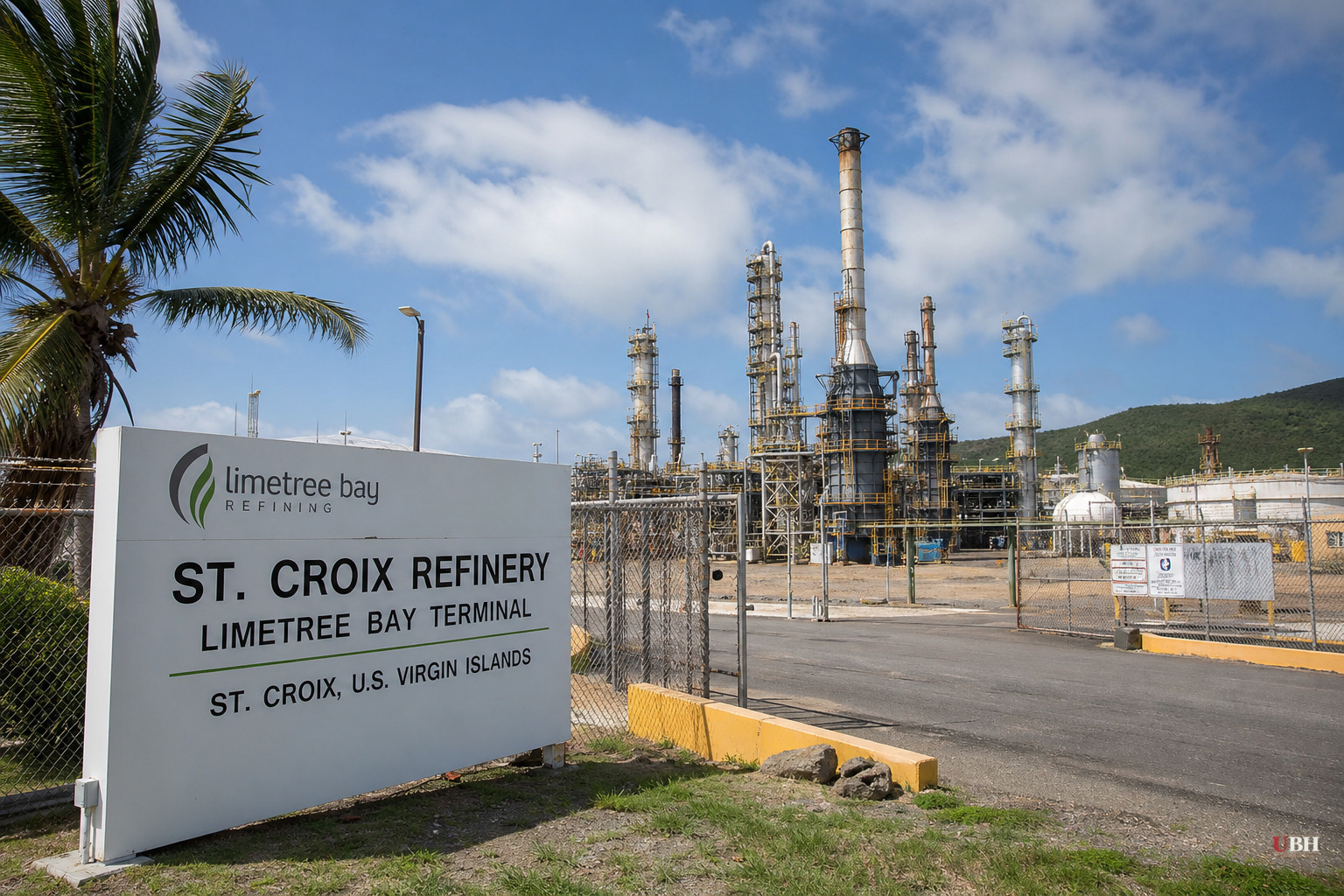
The White House is working the phones to find private money willing to reopen refineries that have sat idle for years, according to three industry executives familiar with the talks. The push spans facilities from California to the U.S. Virgin Islands.
The National Energy Dominance Council, the body created under the Trump administration to coordinate energy policy, has confirmed it received inquiries from investors interested in restarting dormant fuel production sites. Council officials say they've connected those investors with the relevant federal agencies to figure out what it would actually take to get old refineries running again.
That process has already reached the U.S. Environmental Protection Agency, which is being consulted on the regulatory requirements tied to reopening shuttered plants. Those conversations matter most for the refinery on St. Croix in the U.S. Virgin Islands, a facility with a long history of environmental violations and legal fights.
Why St. Croix Is the Hard Case
The St. Croix refinery isn't just another idle plant. It's been the subject of years of litigation and environmental enforcement action, and reopening it means confronting that record head-on, not sidestepping it.
Any investor serious about restarting the facility will need EPA sign-off on compliance issues that shut it down in the first place. That's not a rubber stamp. It's a genuine regulatory gauntlet, and nothing in the current reporting suggests the EPA has agreed to fast-track or waive any standards. The consultations are described as ongoing, not resolved.
If the administration were quietly pressuring EPA staff to look the other way on pollution controls to score a political win on gas prices, that would be a legitimate scandal. But no source here alleges that's happening. The EPA is being consulted on requirements, which is what's supposed to happen before a heavily polluting facility restarts operations near a residential population.
The Real Driver: Gas Prices
The timing isn't a mystery. Rising anxiety over fuel prices is pushing the White House to court private capital rather than wait for market forces alone to bring refining capacity back online, according to the reporting on these discussions.
Refining capacity in the U.S. has shrunk over the past two decades as older, smaller refineries closed rather than pay for upgrades. Fewer refineries means less slack in the system when demand spikes or a hurricane knocks out Gulf Coast production. Bringing mothballed capacity back online is a direct way to add supply without waiting years for a brand-new refinery to get permitted and built, which almost never happens in this country anymore.
The administration has branded this effort as part of its broader "energy dominance" strategy, using federal coordination to unlock private investment in domestic energy infrastructure. Investors, for their part, appear to be reading the political winds and betting that this White House will make the financial math work better than it has in years past.
What's Still Unresolved
Whether any of this actually results in refineries reopening is a separate question from whether the White House wants it to happen. Mothballed refineries aren't mothballed by accident. They usually shut down because they were losing money, needed expensive upgrades, or couldn't meet environmental standards cost-effectively.
Federal officials connecting investors to agencies is not the same as federal money flowing, environmental clearances being granted, or construction crews showing up. The reporting makes clear these are early-stage discussions. No specific refinery has been announced as reopening, no investment figures have been disclosed, and no timeline has been set.
Coverage of this story elsewhere has been thin on detail. Both syndicated summaries reviewed here simply pointed back to reporting from The Hill without adding independent verification or naming the investors involved, which means the public still doesn't know who is at the table or how much capital is actually on offer.
The next concrete marker to watch is whether the EPA issues any formal guidance or determination on the St. Croix facility specifically. That would be the first real signal of whether this White House outreach translates into an actual restart, or just another round of talks that goes nowhere.
Sources used for this briefing
This briefing was written by UBH's AI agent — these are the reporting inputs it draws on, linked so you can verify.


