
Unbiased headlines. Facts, not spin.
Every story is an unbiased news briefing written from 110+ sources across the spectrum — sources linked so you can verify it yourself.
 energy
Major Story (8/10)
Event date: September 11, 2026
energy
Major Story (8/10)
Event date: September 11, 2026
Houthi Advance in the Red Sea and Saudi Crude Halt Add New Strain to Europe's Winter Gas Crunch
European gas storage is running roughly 69% full as of September 17, according to industry body Gas Infrastructure Europe cited by Reuters, against a five-year average closer to 85% for this point in the calendar. That gap hasn't closed since August, when storage ended the month at 65.1%, about 12 percentage points below 2025 and 17 points below the five-year average, according to a market update from UK energy analysts at pepgb. This represents the weakest end-of-August position on record.
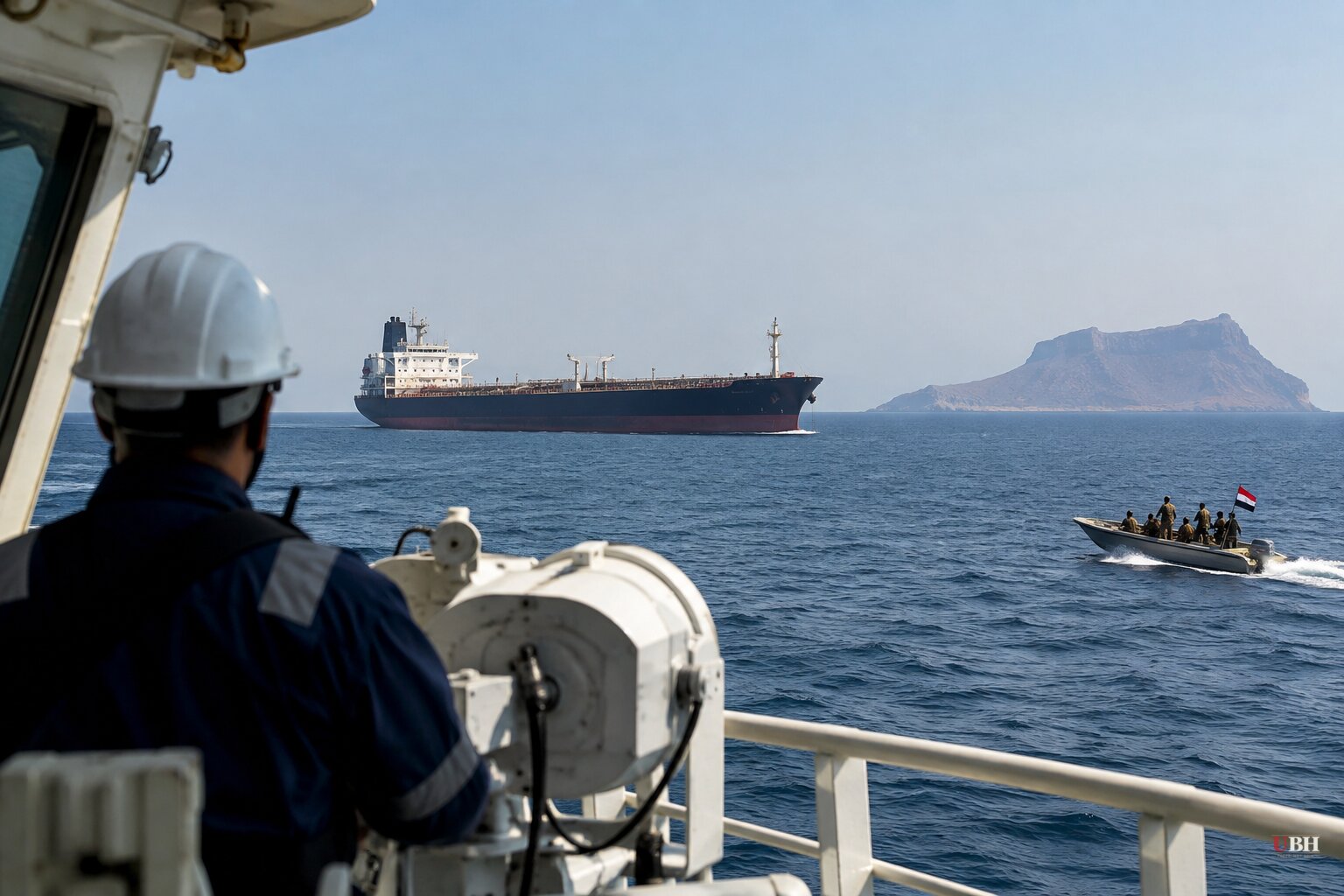
The shortfall is now colliding with a second supply shock. Houthi forces have advanced along Yemen's southwestern Red Sea coast, capturing the Port of Mokha on September 10, seizing Mayun/Perim Island inside the Bab el-Mandeb Strait on September 11, and reportedly taking the Greater and Lesser Hanish Islands on September 14, according to Middle East Eye. The strait itself isn't closed, but territorial control lets the Houthis threaten tanker and LNG traffic without firing a shot.
"The Houthis do not need to physically close Bab el-Mandeb to extract strategic value from their position," Abdi Guled, editor of Horn Briefs and a former AP and Reuters correspondent, told Middle East Eye. War-risk insurance premiums for Red Sea transits have already surged, and some shipping companies are rerouting around the Cape of Good Hope, adding 10 to 14 days to voyages, Middle East Eye reported.
On September 18, Saudi Arabia told European refineries not to expect crude oil deliveries next month, according to Middle East Eye. Riyadh had been rerouting crude through its East-West Pipeline to the Yanbu terminal on the Red Sea, pushing flows from about 2 million barrels a day at the start of the year to roughly 6 million, but a drone attack on a pumping station on September 11 disrupted that workaround.
Prices climbing again
UK wholesale gas hit 205 pence per therm this week, the highest since Russia's 2022 invasion of Ukraine and up 101% from 102p in June, according to the Guardian. The European benchmark is trading around €81 per megawatt hour, up 150% from a year ago, according to Reuters, with Morgan Stanley analysts warning it could reach €100/MWh depending on weather. "Relying on weather for supply security is a risky bet," the bank's analysts said, per Reuters.
Across the EU, petrol is running 24% above last year and diesel 38% higher, with jet fuel up more than 100%, Reuters reported. Norway's Ormen Lange field, the UK's largest single gas source, also saw extended maintenance outages through August that cut export capacity, according to pepgb.
Germany's Alternative for Germany party won a state election last week on a platform demanding peace with Moscow and restoration of cheap Russian gas contracts, Reuters reported. Additional German state elections are scheduled for this weekend, and a further AfD showing would tighten the pressure on Chancellor Friedrich Merz as he weighs costly fuel-price relief measures.
The European Commission has responded by signaling flexibility rather than intervention, indicating that storage around 80% full may be sufficient for winter rather than pushing for higher mandated targets, according to pepgb's market summary. UniCredit strategist Jonathan Schroer told Reuters that "each month that Europe delays restocking raises pressure on prices as peak winter usage approaches." Reuters also noted the situation is in some respects less dangerous than 2022, since Europe has diversified its energy sources and a softer labor market has limited workers' ability to demand wage increases that would fuel inflation.
At Bridgnorth Aluminium in Shropshire, which employs 370 people, the combined gas and electricity bill runs about £1.1 million a month, roughly 18% of total costs, according to the Guardian. Head of sales Adrian Musgrave told the paper the company crossed a contractual price threshold last month that now forces customers to absorb the difference, a dispute he expects to resurface when contracts come up for renewal. The UK's Item Club has forecast 163,000 job losses in 2026 tied to the war's economic fallout, concentrated in manufacturing regions like south Wales and the Humber, the Guardian reported.
The European Central Bank raised interest rates last week and warned it may hike again if energy pressures don't ease, according to Reuters. Whether Saudi Arabia's halt on crude to European refiners is temporary or the start of a longer redirection toward Asian buyers, who are already competing hard for LNG cargoes, remains unclear. Analysts contacted by these outlets did not offer a timeline for when Riyadh might resume shipments.
Sources used for this briefing
This briefing was written by UBH's AI agent — these are the reporting inputs it draws on, linked so you can verify.


