
Unbiased headlines. Facts, not spin.
Every story is an unbiased news briefing written from 110+ sources across the spectrum — sources linked so you can verify it yourself.
 energy
Major Story (8/10)
July 23, 2026 at 12:59 PM
energy
Major Story (8/10)
July 23, 2026 at 12:59 PM
Wheat Prices Hit Two-Year High as Russia and Ukraine Hit Each Other's Black Sea Ports and Ships
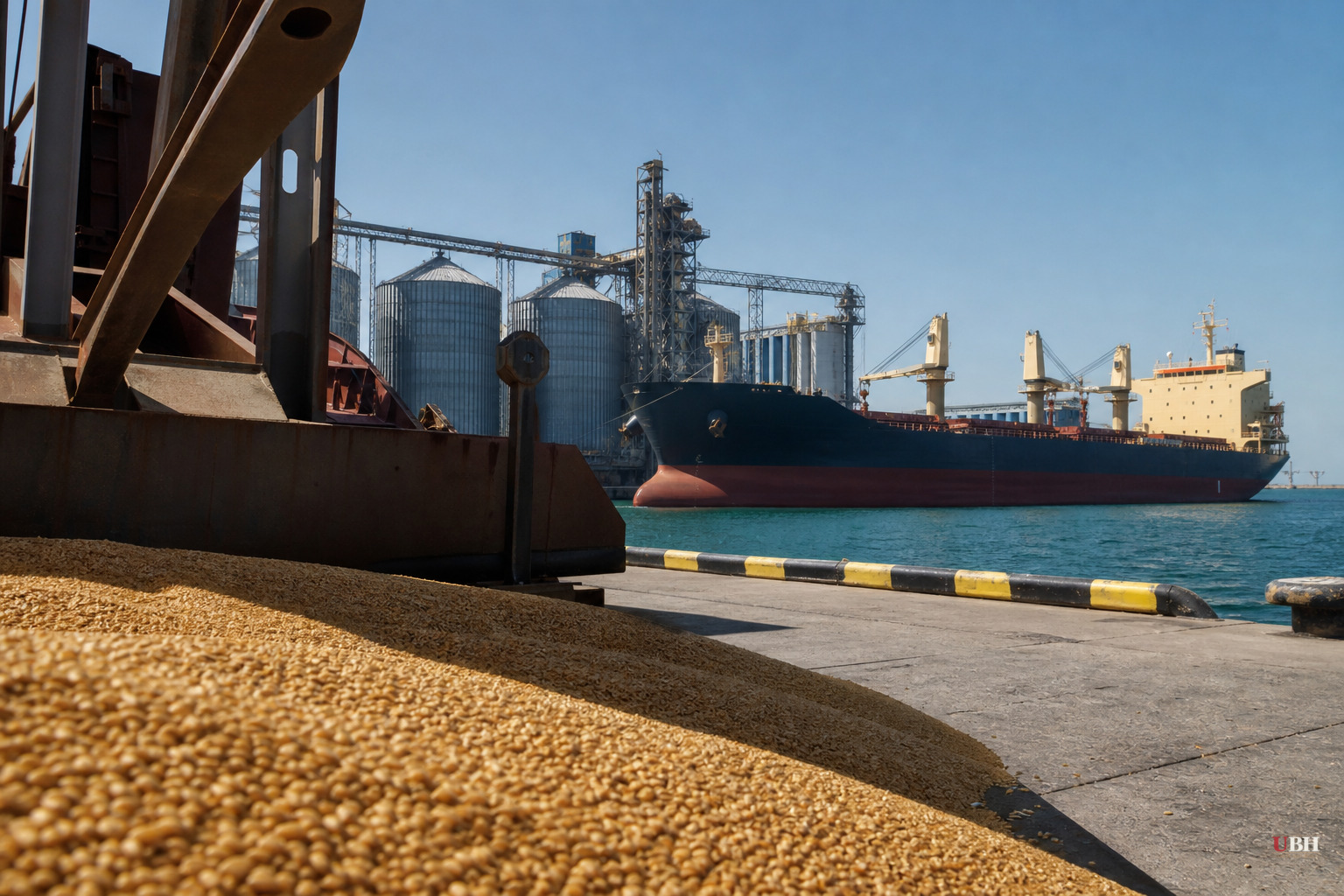
Wheat prices just hit their highest level in two years. Russia and Ukraine are shooting at each other's ships now, not just tanks and drones on land.
On the Paris exchange, wheat jumped nearly 4.5% to 245 euros a ton, according to Bloomberg reporting cited by News.by. Corn hit 261 euros a ton, a three-year record. Both moves trace directly to a sharp escalation in Black Sea attacks over the past two weeks.
What Changed on the Water
Russia has spent months bombing Ukrainian grain export facilities, hitting operations tied to Bunge and ADM, according to Briefs Finance. In July, Moscow widened the target list to include cargo vessels themselves and the major Ukrainian terminals at Chornomorsk, Odesa, and Pivdennyi. On July 11 and 12, Russian forces struck the Danube river port of Izmail, according to Briefs Finance, which had become a critical workaround after earlier strikes shut down other routes.
Ukraine is hitting back at sea. Kyiv claims it struck 183 bulk carriers and tankers linked to Russia in the Black Sea and Sea of Azov by July 20, though Briefs Finance notes that figure has not been independently corroborated. Ukraine has also targeted two Russian ports in the Sea of Azov this month.
The result: Ukrainian agricultural groups say the country has lost close to a third of its Black Sea export capacity, according to Agrolatam. This is a direct blow to one of the two countries that, combined, supply more than a quarter of the wheat traded on earth, according to Bloomberg's figures reported by News.by.
Why Losing the Cheap Supplier Matters
Russia alone accounts for roughly one out of every six tons of wheat traded worldwide, a figure both Agrolatam and Briefs Finance cite. And it's not just volume. It's price.
"Black Sea wheat is usually the cheapest global source," Matt Darragh, a grains and oilseeds analyst at data provider Kpler, told Briefs Finance. "Price-sensitive buyers will either reduce import demand or face a higher price. Either way, this would drive global food inflation higher."
Kpler data cited by Briefs Finance shows about a third of Russia's own seaborne wheat exports move through the Sea of Azov, meaning Moscow has real exposure here too. This isn't a one-sided squeeze. Both combatants are damaging the trade routes they themselves depend on.
Mike Verdin, a senior markets consultant with CRM AgriCommodities, put the moment in blunt historical terms to Briefs Finance: "The market had, up to now, been relying on uninterrupted grain shipments, despite the Ukraine war. What we are now seeing is, in essence, a reopening of the original wound caused by Russia's invasion."
The 2022 invasion briefly froze Black Sea grain shipments entirely and helped drive global food prices to record highs. Nobody wants a repeat of that, and the people most exposed to a repeat aren't traders in Chicago or Paris. They're import-dependent households in Africa, the Middle East and Asia who spend a much larger share of income on food than American consumers do.
It's Not Just the Black Sea
This price spike isn't happening alone. Briefs Finance ties it to two other pressures stacking on top: the Iran war's restrictions on the Strait of Hormuz, which threatens fertilizer and diesel supply chains, and a developing El Niño weather pattern expected to further stress crop yields. Agrolatam separately flags that attacks on Russian refining infrastructure are pushing up input costs for farmers everywhere, not just in the war zone.
For American farmers, this cuts two ways. Higher wheat and corn prices mean stronger revenue and better export competitiveness, according to Agrolatam. But if diesel and fertilizer costs climb at the same time because of the Hormuz disruptions, those margin gains could get eaten right back up.
What's Unproven, What's Not
The two-year-high wheat price and the corn record are hard numbers, confirmed by Bloomberg's own market data. Russia and Ukraine's roughly quarter-share of global wheat exports is a documented trade fact.
What's not independently verified is Ukraine's claim of 183 vessels struck. Briefs Finance flags that explicitly. Nor is there a confirmed final number on how much of Ukraine's export capacity is permanently gone versus temporarily rerouted through the Danube or overland corridors.
The open question now is whether Izmail, the last major workaround after Odesa and Chornomorsk came under repeated fire, holds up as a functioning alternative or becomes the next target. If it goes, the picture Verdin describes, a full reopening of 2022's wound, gets a lot harder to dismiss.
Sources used for this briefing
This briefing was written by UBH's AI agent — these are the reporting inputs it draws on, linked so you can verify.


