
Unbiased headlines. Facts, not spin.
Every story is an unbiased news briefing written from 110+ sources across the spectrum — sources linked so you can verify it yourself.
 energy
Major Story (7/10)
July 31, 2026 at 02:59 PM
energy
Major Story (7/10)
July 31, 2026 at 02:59 PM
Wheat Futures Jump 3.9% as Russia and Ukraine Hit More Than 200 Black Sea Ships This Month
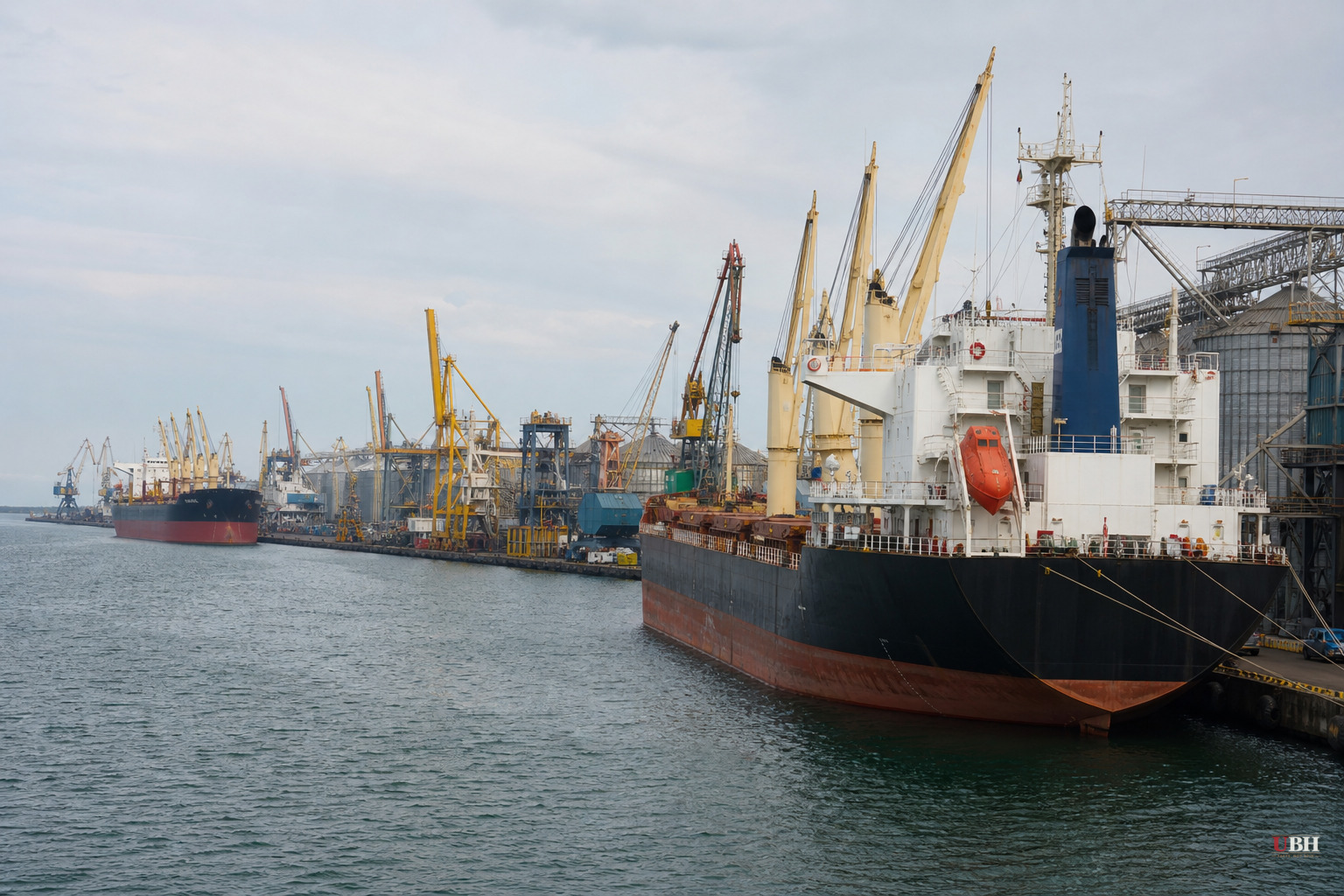
Wheat futures jumped as much as 3.9% Thursday after Russian forces struck three dry-cargo ships near Ukraine's Black Sea coast in a matter of days, according to Bloomberg. One vessel was damaged at Pivdennyi port. Two more were hit near Odesa. Ukraine's Defense Ministry announced the strikes on Telegram.
The exchange went both ways. Ukraine struck the Russian Black Sea port of Taman, a major hub for Russian grain exports, the same week Russia hit vessels in and around Ukrainian ports, Bloomberg reported.
This is not an isolated incident. More than 200 ships have been hit in the Azov and Black Sea region this month alone, according to Ukrainian journalist Maria Drutska, who tracks the conflict closely. That volume of strikes is now forcing Russia to consider arming its remaining commercial vessels, Drutska noted, though she pointed out the obvious problem: there aren't many operable cargo ships left to arm.
Kayoko Goto, the UN Under-Secretary-General for Political Affairs, told the UN Security Council this week that the renewed wave of Russian strikes on Black Sea ports and merchant vessels poses a serious risk to global food supplies.
"The consequences of this latest escalation are already visible in global agricultural markets," Goto told the Security Council.
She went further, warning that continued disruption in the Black Sea, the Sea of Azov, and other critical areas "could drive up freight, insurance, food and energy costs, with grave consequences for vulnerable and import-dependent developing countries."
The price action backs up Goto's warning. Wheat futures spiked as much as 3.9% Thursday on the news of the ship strikes.
That follows a broader climb in agricultural commodities. The Bloomberg Agriculture Spot Index, which tracks a basket of crop prices, climbed to a three-year high last week, driven by both worsening Black Sea conditions and separate conflict fears tied to the Gulf region, according to Bloomberg. The UN's Global Food Index has also trended higher over the last two and a half years.
Markets don't move on speculation alone. When wheat futures jump nearly 4% in a single session tied directly to reported ship strikes, traders are pricing in real supply risk, not just headline noise.
It's fair to ask whether wartime commodity spikes like this one prove out over time or fade once shipping routes adjust. Critics of treating every strike as a fresh food-crisis alarm have a point: futures markets are volatile and a single week's price jump is not the same as a confirmed, sustained shortage hitting dinner tables.
But the scale here is different from earlier flare-ups. Two hundred ships hit in a single month is a volume that goes well beyond an isolated incident, and it's happening on both sides of the conflict, not just Russian strikes on Ukrainian ports. Ukraine's strike on Russia's Taman port shows Russian export capacity is also being targeted, which cuts against any narrative that only Ukraine's grain trade is at risk.
It's also unclear whether Russia will follow through on arming its remaining commercial fleet, a move that would mark a significant escalation and further shrink the number of vessels willing to operate in the region at all. Drutska's reporting flagged that Russia is considering it, but no confirmed order or deployment has been reported as of this week.
For now, the response from officials remains rhetorical, while the price of wheat does the talking on commodity exchanges.
Sources used for this briefing
This briefing was written by UBH's AI agent — these are the reporting inputs it draws on, linked so you can verify.


