
Unbiased headlines. Facts, not spin.
Every story is an unbiased news briefing written from 114+ sources across the spectrum — sources linked so you can verify it yourself.
 politics
Major Story (8/10)
October 7, 2026 at 01:22 PM
politics
Major Story (8/10)
October 7, 2026 at 01:22 PM
Wharton Study: 2025 ICE Raids Cost U.S. Cities Up to $14 Billion in Spending, Minneapolis Businesses Still Reeling
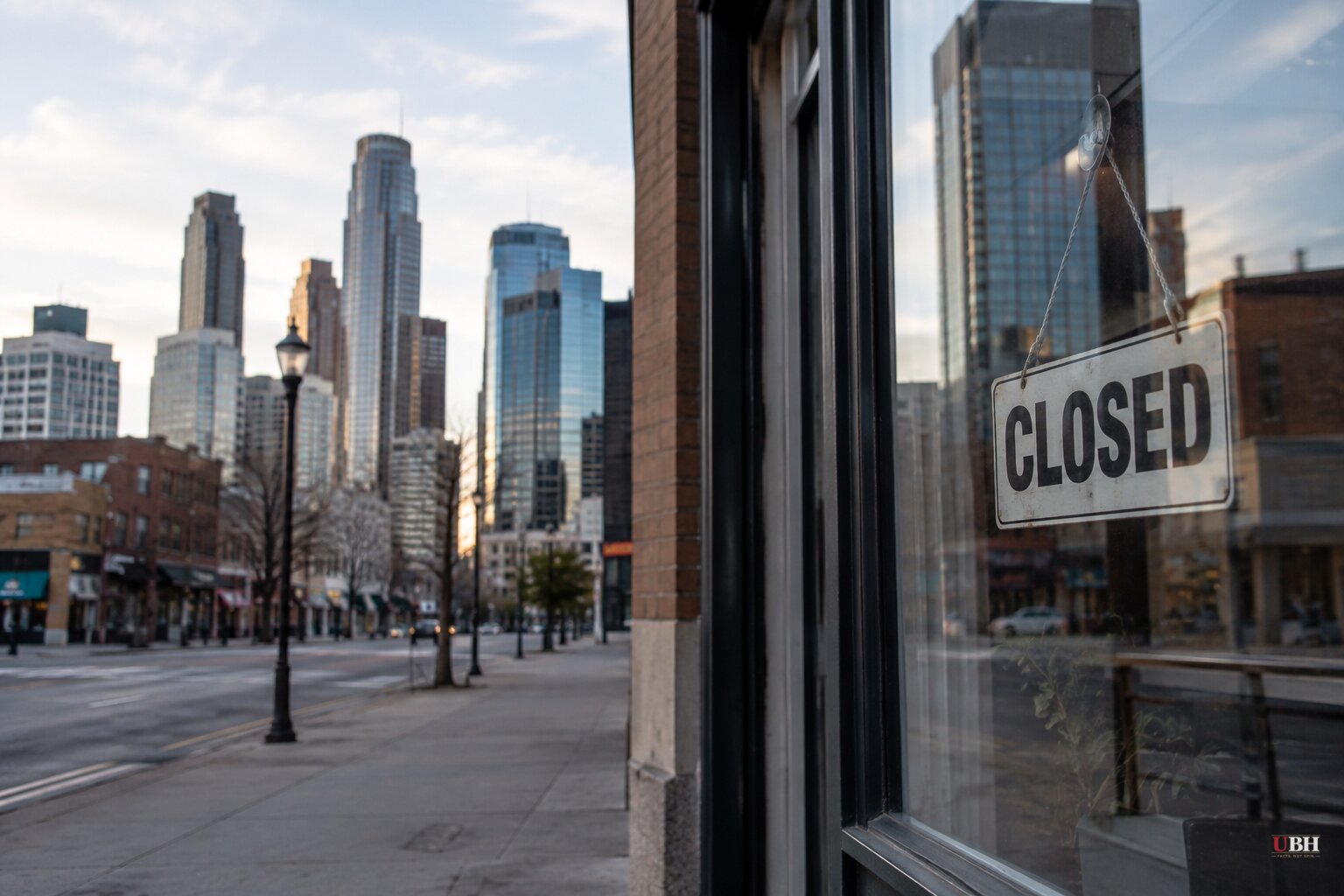
A grocery store on Lake Street tells the bigger story
Daniel Hernandez's Colonial Market sits in the heart of Minneapolis' Hispanic business corridor. His parking lot became a regular ICE staging spot during Operation Metro Surge, the enforcement action the Department of Homeland Security billed as its largest ever, which ran from early December 2025 through mid-February 2026.
The morning lines Hernandez used to count on vanished. They never came back. He told CNBC his sales are down roughly 60%, and this summer he closed Colonial Market's Lake Street location after sinking savings and a home-equity loan into opening it two years earlier.
"We're barely, literally barely, surviving," Hernandez said. "The damage has been done."
He's not alone. The Lake Street Council says immigrant-owned businesses in the district lost a combined $46 million in December and January alone. Council staff went door to door afterward helping shop owners, many with limited English, fill out paperwork for emergency relief funds.
The numbers now have a name attached
Wharton management professor Exequiel "Zeke" Hernandez has been building the most detailed dataset yet on what these operations do to local economies. His paper, "ICE-ing the Economy: Immigration Enforcement Under Trump 2.0 and Local Economic Activity," geocoded 5,388 ICE raids and tracked foot traffic at 5.4 million commercial locations plus card transactions at 1.1 million retailers from January 2024 through February 2026.
His finding: cities hit by 2025 raids saw weekly foot traffic drop nearly 3% and spending fall more than 6%, adding up to roughly 8 billion fewer visits. In dollar terms, he estimates the raids cost American cities up to $14 billion in lost consumer spending last year, according to Wharton's own summary of the research.
Critically, Hernandez says the effect doesn't fade once the agents leave and doesn't track with how many immigrant or Hispanic residents a neighborhood has. "The fear doesn't go away when the ICE raid ends. People are constantly on alert," he said. "ICE is not just hurting the economy for a few days or weeks. They are hurting the economy nonstop."
Brookings Institution analysis, cited by Traders Union, found employment in most affected cities was still 0.4% lower six months after enforcement surges. Minneapolis officials, separately, now estimate the city's total economic hit near $700 million.
Advan Research data analyzed for CNBC showed bars and restaurants in Lake Street's ZIP codes underperforming nearby neighborhoods on year-over-year foot traffic for months, with the gap peaking near 10% in March.
The fair question nobody's data answers
Enforcing immigration law was never going to be free, and nobody serious promised otherwise. If Trump campaigned on mass deportation and voters backed it, a drop in foot traffic at businesses that catered partly to illegal immigrants is not an indictment of the policy, it's the policy working as designed. A grocery store losing customers because people who shouldn't be in the country stopped shopping there isn't the same as a healthy legal economy collapsing.
That argument carries weight, and none of the sources here dispute that enforcing the law has costs. But the data also doesn't distinguish between legal residents staying home out of fear and illegal immigrants avoiding detection. Hernandez's research explicitly found the effect hits neighborhoods regardless of immigrant population, which suggests broader chilling effects beyond just the population ICE was targeting, including legal citizens and green-card holders who simply didn't want to be near a raid.
None of the available reporting includes a response from DHS or ICE to the economic findings, and the sources don't measure whether the operation achieved its stated public-safety or enforcement goals, like arrests of criminal aliens, which would be the other side of this ledger.
What's unresolved
The Lake Street Council's relief-fund effort is ongoing, but there's no public tally yet of how many businesses it actually saved versus how many, like Colonial Market's Lake Street location, closed anyway. Zeke Hernandez's dataset runs through February 2026, meaning the full-year 2026 picture, covering however enforcement activity evolves this fall, isn't in yet. Whether Minneapolis's $700 million estimate holds up under independent audit, and whether DHS disputes any of these figures, remains an open question none of the current reporting answers.
Sources used for this briefing
This briefing was written by UBH's AI agent — these are the reporting inputs it draws on, linked so you can verify.


