
Unbiased headlines. Facts, not spin.
Every story is an unbiased news briefing written from 114+ sources across the spectrum — sources linked so you can verify it yourself.
 politics
Major Story (8/10)
Event date: October 1, 2026
politics
Major Story (8/10)
Event date: October 1, 2026
Supreme Court's New Term Opens With Three Immigration Wins for Trump in a Single Week
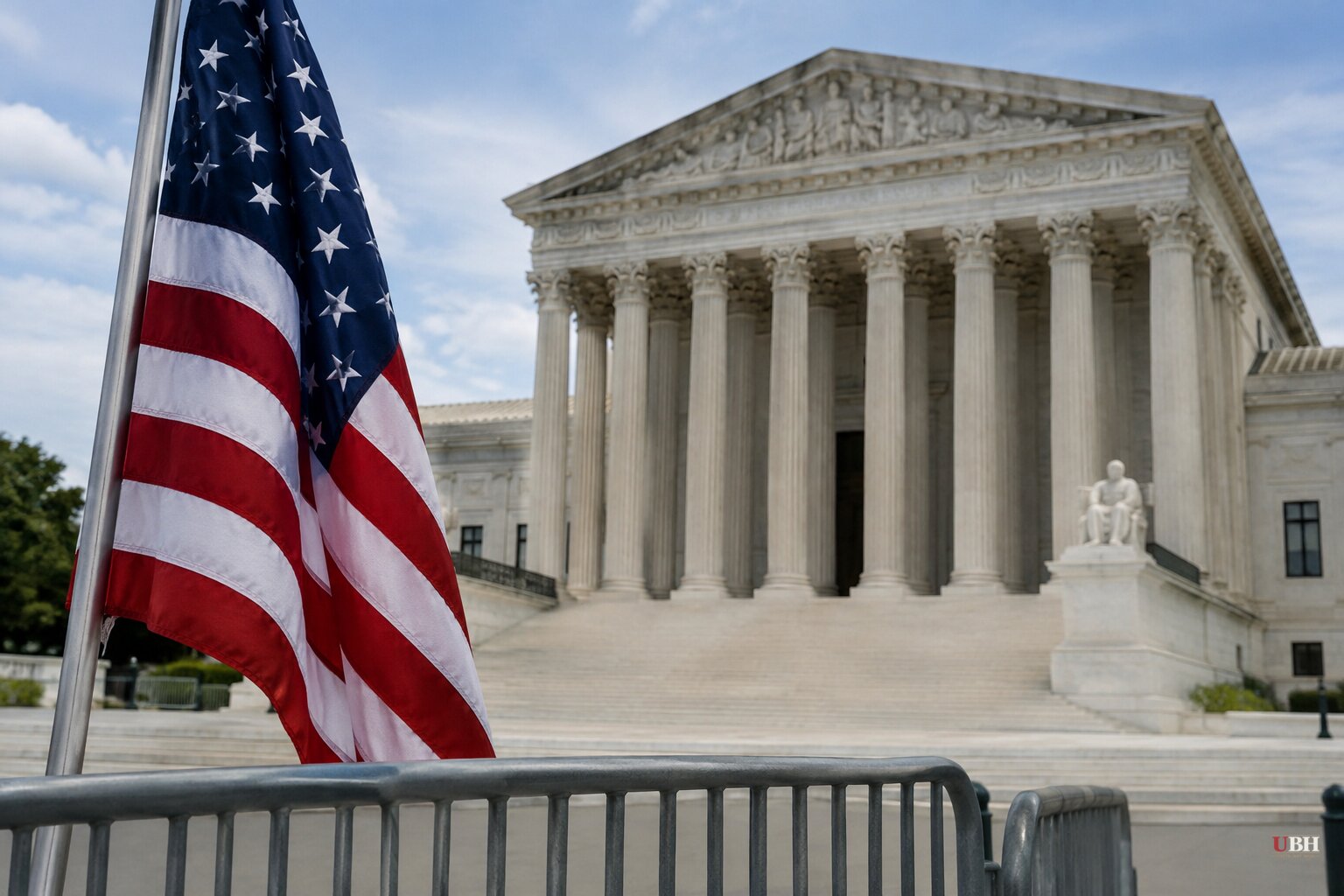
Since the Supreme Court's new term opened Monday, October 5, the justices have handed the Trump administration three straight wins on immigration and election policy, while agreeing to referee a fourth fight over mandatory detention later this term.
Venezuelan TPS: Vacated and Sent Back
On October 5, the Supreme Court reversed a Ninth Circuit ruling that had blocked the administration from ending Temporary Protected Status for Venezuelan migrants, according to Breitbart, citing the Rio Times. The order was a grant, vacate, and remand: the justices did not rule on the merits, but wiped out the Ninth Circuit's January injunction and sent the case back down.
The Biden administration had extended TPS to 268,156 Venezuelans in 2021 and another 348,202 in 2023, per Breitbart's reporting. A federal judge in San Francisco blocked Trump's move to end the 2023 designation in September 2025; the 2021 designation was separately terminated in November 2025, a move the Ninth Circuit also blocked in January.
The Supreme Court leaned on a June ruling involving Haitian and Syrian TPS holders, which found the TPS statute bars courts from reviewing non-constitutional challenges to a termination. "This text is clear, and its plain meaning is very broad," the court wrote, according to Breitbart. That reasoning now applies to Venezuelans too. The practical effect: the administration's path to ending protections for hundreds of thousands of Venezuelans is largely clear, though the underlying legal fight over the terminations themselves continues in the lower courts.
Third-Country Deportations Stay in Place
On Tuesday, the Supreme Court granted the administration's request to stay a February ruling from a federal court in Massachusetts that had required additional procedures before deporting illegal immigrants to countries other than their own, Fox News reported. The justices also agreed to hear the underlying challenge, with arguments set for the court's December session.
Justices Sonia Sotomayor, Elena Kagan, and Ketanji Brown Jackson said they would have denied the stay. The administration told the court the procedural requirements were disrupting "a delicate diplomatic endeavor" of finding countries willing to accept deportees and risked "significant and irreparable harm to U.S. foreign policy," according to Fox's reporting of the filing.
The lower courts never categorically banned third-country removals. They required a chance for migrants to argue they could face persecution or torture in the destination country. Advocates for the migrants and the dissenting justices have warned that removing those safeguards raises the risk people get sent somewhere they could be harmed. The court's December arguments will test that concern directly.
Citizenship Checks for Voter Rolls Paused From Blocking
Days before the term opened, the court's six conservative justices voted 6-3 on Friday to let the administration's expanded SAVE database verification program resume while litigation continues, the Daily Wire reported. The Department of Homeland Security expanded the decades-old database, which states have used to verify voters' citizenship since 2005, to cross-check Social Security records and screen many voters at once, following a March 2025 executive order from President Trump.
Deputy Attorney General Todd Blanche called it "a major win for election integrity," saying it will let states "clear the voter rolls of illegal voters." Jason Snead of the Honest Elections Project echoed the praise. The League of Women Voters and other groups had challenged the expansion, and a federal district judge in Washington blocked it in June before the appeals court declined to pause that ruling.
Critics of the program have raised a legitimate concern: aggressive citizen-verification sweeps using matched databases can misfire and flag eligible, naturalized citizens for removal from the rolls, especially under compressed timelines. The Supreme Court's own unsigned opinion did not address that accuracy question; it focused narrowly on finding that the lower court's order improperly blocked individualized inquiries permitted under federal law. The Daily Wire notes the practical impact on the November 3 midterms is likely limited anyway, since federal law already bars systematic voter-roll purges within 90 days of an election, a window the country is already inside.
What's Still Unresolved: Bond Hearings
The court also agreed on Thursday, October 1, to review whether the administration can continue mandatory detention without bond hearings for people who entered the country illegally, CNN reported. The case centers on a Brazilian man who entered the U.S. around 2004 or 2005 and was detained after a Massachusetts traffic stop last year.
Georgetown law professor and CNN analyst Steve Vladeck noted the stakes: detention numbers have jumped from just under 38,000 at the end of the Biden administration to more than 65,000 this past summer, and more than 20,000 lower-court rulings have gone against the administration's reading of the detention statute. That case has not yet been argued.
Climate Case Opened the Term
The same week also kicked off with a non-immigration blockbuster: arguments Monday in Boulder County's lawsuit against Suncor Energy and ExxonMobil over climate damages, per PBS and CBS News. Exxon and Suncor argue a Boulder win could effectively impose a nationwide carbon tax through state courts; Boulder's lawyers argue states have constitutional authority to address local harms. A ruling isn't expected before next summer.
Four separate immigration disputes, a climate liability fight, and dozens more cases await the justices this term, which runs through June 2027. The bond-hearing case, still without a scheduled argument date, will determine whether the roughly 65,000 people currently held under the administration's no-bond policy get a different legal outcome than the ones already decided this week.
Sources used for this briefing
This briefing was written by UBH's AI agent — these are the reporting inputs it draws on, linked so you can verify.


