
Supreme Court

The US Supreme Court — rulings, arguments, and the justices — covered across the spectrum.

148 articles shownof 148 totalLast updated 2026-08-05 05:27 UTC

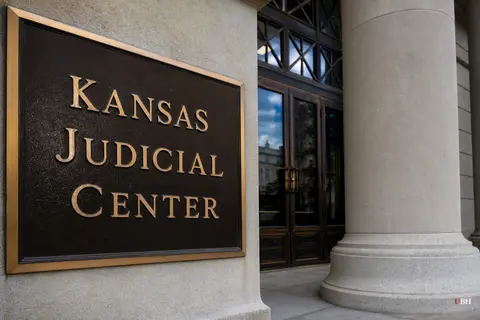
Kansas Judge Strikes Down Abortion Restrictions Same Day He Joins State Supreme Court

Christopher Jayaram killed Kansas' 24-hour waiting period, its abortion pill reversal notice, and other informed-consent laws in a 261-page ruling filed the same day he was sworn in to the Kansas Supreme Court. The timing, on the same Election Day Kansans voted on how to pick future justices, is either a coincidence of court scheduling or a gut punch to the whole process, depending on who you ask.

Supreme Court Won't Block $656 Million Terror Judgment Against Palestinian Authority

Justice Sonia Sotomayor rejected an emergency request from the Palestinian Authority and PLO to freeze a $656 million judgment owed to American victims of Second Intifada attacks. The ruling clears the way for collection to begin after a 22-year legal fight. The PA says the payout will devastate West Bank public services; the victims' families say they've waited two decades for justice.

Kansas Voters Decide Tuesday Whether to Elect Supreme Court Justices Instead of Merit Selection

Kansas voters go to the polls Tuesday, August 4, on a constitutional amendment that would scrap the state's 1958 merit-selection system for Supreme Court justices in favor of direct elections. Republicans call it democracy and transparency. Critics call it a plan to make the court more partisan after rulings on abortion the GOP didn't like.

DSA Rewrites Its Platform to Call for Abolishing the Senate, Presidency and Supreme Court. Bernie Sanders Says No.

Democratic Socialists of America unveiled an updated platform ahead of its Chicago summit that calls to abolish the U.S. Senate, presidency and Supreme Court, plus grant amnesty to immigrants already in the country. Senate Democrats, including Bernie Sanders, are distancing themselves fast, but Republicans are already using it as a midterm cudgel against the entire party.

New Mexico Supreme Court Blocks Hospital Confession in Newborn Trash Can Murder Case

The New Mexico Supreme Court unanimously ruled that Alexee Trevizo's hospital-room statements about hiding her newborn in a trash bag are protected by doctor-patient confidentiality and can't be used at trial. The court found she was bleeding, medicated, and in no condition to voluntarily waive that privilege when her doctor brought two armed officers into her room. Prosecutors now have to build a murder case with a lot less evidence.

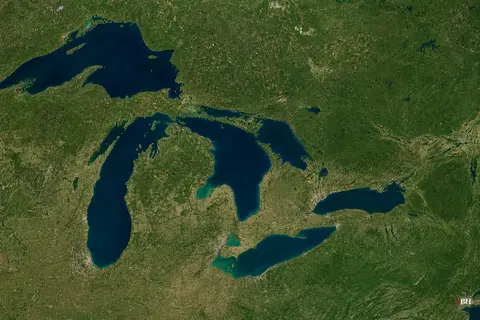
Michigan Supreme Court Rejects Permit for Enbridge Pipeline Tunnel Under the Great Lakes

Michigan's highest court has rejected a state permit for a pipeline tunnel that Enbridge wants to build under the Great Lakes, according to AP News. The ruling is a setback for the company's yearslong push to move a pipeline off the lakebed and into a tunnel.

Six Fifth Circuit Judges Say Supreme Court Must Take Up DeRay Mckesson Protest Liability Case

Six Fifth Circuit judges publicly dissented Thursday after the full court declined to rehear a case letting activist DeRay Mckesson be sued over a police officer's injury he had no proven connection to. The dissent, written by Judge Don Willett, argues the ruling lets courts punish protest leaders for a stranger's violence without proof of intent, a standard the judges say the Supreme Court itself flagged as constitutionally important when it reviewed the case in 2020.

UK Supreme Court Will Hear Appeal Over Palestine Action Terror Ban

The Supreme Court granted Palestine Action co-founder Huda Ammori permission to challenge the government's proscription of the group as a terrorist organization, with the case set for the last quarter of 2026. Roughly 70 to 117 people were arrested outside Westminster Magistrates' Court the same day for declaring support for the banned group, and thousands more arrests remain in legal limbo until the case is resolved.

9th Circuit Rules Against Trump on Mandatory Detention, Setting Up Supreme Court Showdown

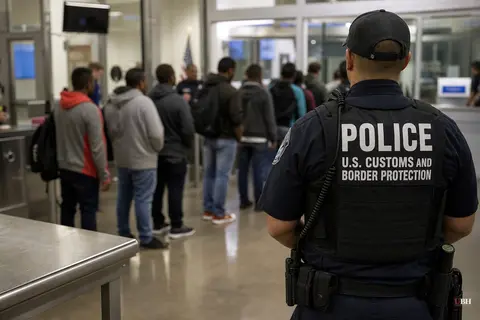
A Trump-appointed judge just handed Trump a loss. The 9th Circuit ruled Thursday that immigrants arrested inside the U.S. can't be automatically denied bond hearings, making it five appeals courts against the administration and two for it. Supreme Court review looks all but certain.

Trump Rebuilds Global Tariff Wall Using Forced-Labor Law After Supreme Court Struck Down Original Tariffs

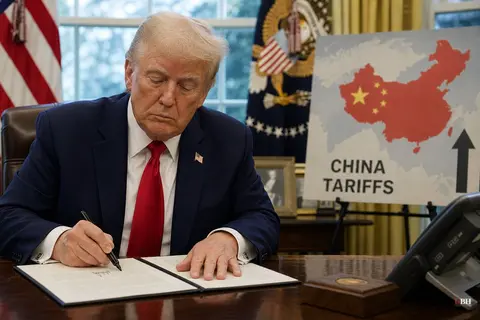
On July 24, the U.S. slapped new 10-12.5% tariffs on 60 countries, including the EU and China, using a forced-labor enforcement law after the Supreme Court killed Trump's original emergency-powers tariffs in February. The new tariffs cover 99.4% of U.S. imports with carve-outs for oil, food, pharmaceuticals and other goods.

Trump Petitions Supreme Court to Toss $83.3 Million E. Jean Carroll Judgment

Trump's lawyers asked the Supreme Court on Tuesday to overturn the $83.3 million defamation verdict, arguing presidential immunity should have shielded his 2019 statements denying Carroll's assault claims. It's the second Carroll-related judgment Trump has tried to get the high court to touch, and the first time justices will be asked to weigh in on the bigger award.

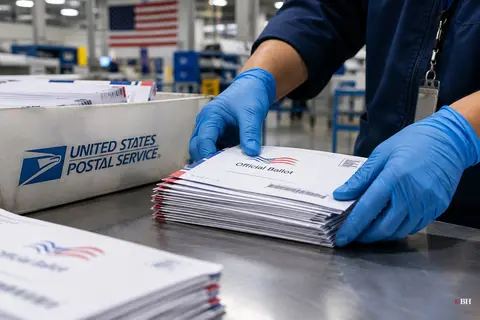
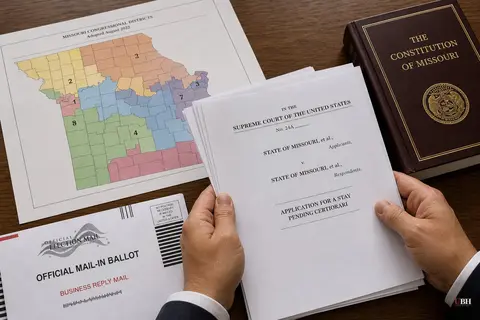
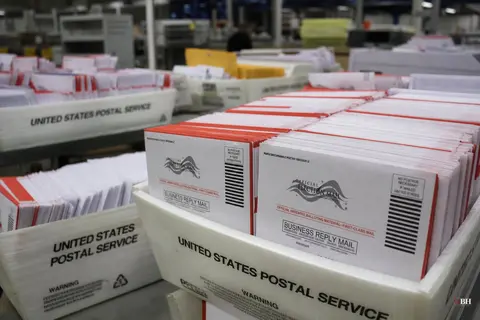
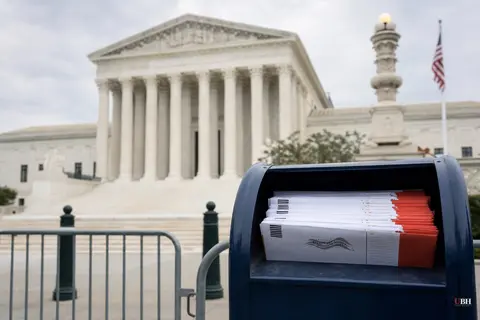
Trump Administration Asks Supreme Court to Lift Block on Mail-Voting Executive Order

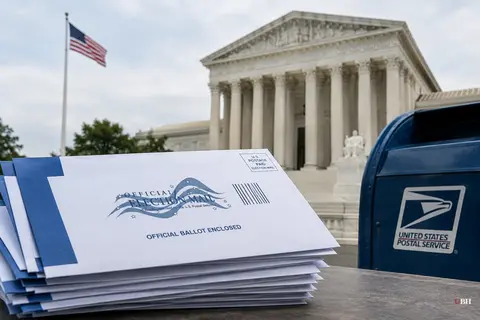
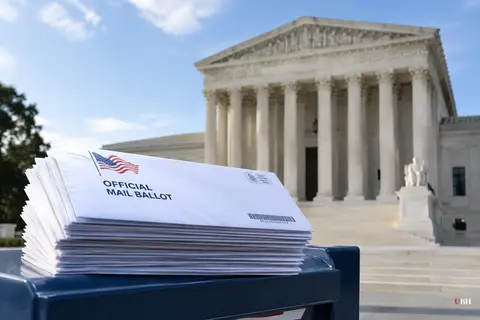
The DOJ filed an emergency application asking the Supreme Court to let Trump's mail-in voting restrictions take effect after a federal appeals court kept them blocked in a 2-1 ruling. Justice Ketanji Brown Jackson set an August 3 deadline for the states to respond, meaning the fight lands on the Court's docket roughly three months before the November midterms.

Kagan and Barrett Tell Congress Supreme Court Leaks Are Eroding Internal Trust

Justices Elena Kagan and Amy Coney Barrett told Congress the Court's ongoing leak problem is damaging the honest, confidential deliberation the institution depends on. Barrett revealed the Court now requires employees to sign nondisclosure agreements, with carveouts for whistleblowers, on top of existing confidentiality rules.

A Federal Judge Says the Supreme Court Got a Fact Wrong in Loper Bright. The Record Says Otherwise.

Senior Circuit Judge Ray Randolph suggested in a dissent that the Supreme Court's landmark Loper Bright decision misunderstood the legal posture of Chevron v. NRDC. Law professor John Duffy's research and the underlying regulatory record show the Clean Air Act exemption Randolph pointed to didn't actually apply to the rule at issue in Chevron. The dispute is a legal footnote fight, but the core holding of Loper Bright, killing Chevron deference, stands untouched either way.

Massachusetts Judge Blocks Ethiopia TPS Termination Weeks After Supreme Court Limited That Power

U.S. District Judge Brian Murphy issued a new administrative stay protecting Ethiopian nationals' Temporary Protected Status, days after the Supreme Court's 6-3 ruling in Mullin v. Doe narrowed lower courts' authority to block DHS on TPS decisions. DHS General Counsel James Percival accused Murphy of defying the Court; the case now turns on whether Murphy's order rests on constitutional claims the Supreme Court left open.

Supreme Court's Immunity Ruling Expands Presidential Power, Panel Says

The Supreme Court issued a ruling expanding the power of the presidency and helping shield Donald Trump from criminal prosecution. Journalists on PBS's Washington Week With The Atlantic said the decision also expands the Court's own power, since judges will decide what counts as an official act.

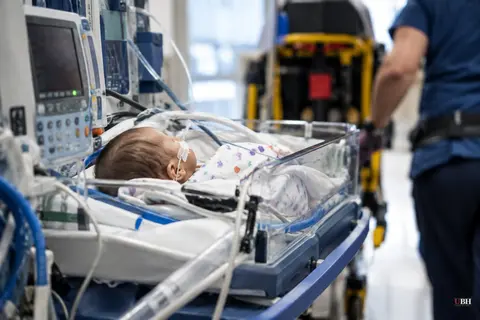
New Study Links Glyphosate in Pregnant Women to Higher Preterm Birth Risk, as Supreme Court Shields Bayer From Failure-to-Warn Lawsuits

A new NYU study found pregnant women with detectable glyphosate in their urine at mid-pregnancy were 37% more likely to deliver preterm, and twice as likely to have a spontaneous preterm birth. The finding lands weeks after the U.S. Supreme Court ruled 7-2 that Bayer can't be sued under state law for failing to warn Roundup users about cancer risk, because the EPA says the chemical is safe.

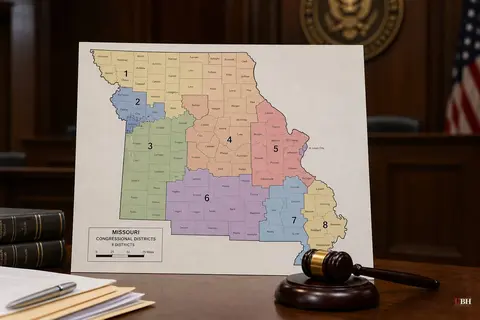
Six GOP-Led States Redraw Maps After Supreme Court Weakens Voting Rights Act, Black Districts Broken Up

Texas, Florida, Louisiana, Alabama, Tennessee and North Carolina have redrawn congressional maps since the Supreme Court's April 29 ruling gutted key Voting Rights Act protections. Republicans say it's ordinary political map-drawing ahead of the midterms; voting rights advocates call it a targeted dismantling of Black political power. Both claims deserve scrutiny, and the courts haven't settled it.

Ohio Man Asks Supreme Court to Legalize Home Whiskey Distilling, Setting Up Fight Over Federal Power

John Ream, an Ohio brewery owner and former Boeing aerospace engineer, wants the Supreme Court to strike down the 158-year-old federal ban on home distilling after two appeals courts split on whether the law is constitutional. The case could force the justices to revisit Wickard v. Filburn and Gonzales v. Raich, the two rulings that let Congress regulate almost anything under the Commerce Clause.

Supreme Court Ruling in Trump v. Slaughter Strips Removal Protections From Independent Agency Heads

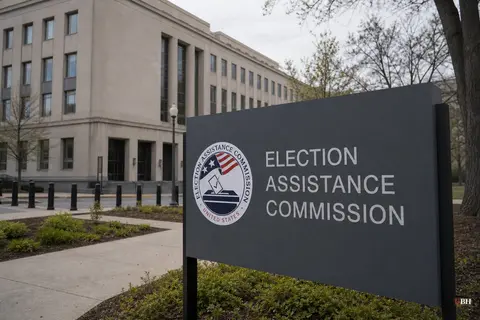
The Supreme Court's decision in Trump v. Slaughter lets the president fire members of agencies like the FTC without cause, effectively gutting the 90-year-old Humphrey's Executor precedent. The Federal Reserve got a carve-out, but the FEC and Election Assistance Commission didn't, and Trump has already used the ruling to clear out the EAC.

Pennsylvania Supreme Court Rules Game Wardens Need a Warrant to Search Posted Private Land

The Pennsylvania Supreme Court ruled unanimously that the state's 'open fields' doctrine, which let game wardens enter private, posted land without a warrant, violates the state constitution. Two hunting clubs that had been searched more than 15 times since 2013 without consent brought the case, and the court sided with them 7-0.

Supreme Court Will Hear Alaska Bush Pilot's Case Over Beer-Related Plane Seizure

The Supreme Court agreed to hear 82-year-old Alaska pilot Ken Jouppi's challenge to the state's seizure of his $95,000 Cessna over a beer-importation conviction from 2012. The case tests whether the Eighth Amendment's Excessive Fines Clause requires judges to weigh what an individual defendant actually did, not just impose whatever forfeiture a statute allows.

Supreme Court Strikes Down Trump's Birthright Citizenship Order

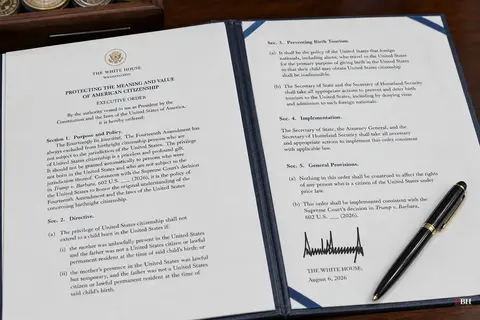
The Supreme Court ruled against President Trump's executive order limiting birthright citizenship, siding with a long-standing reading of the 14th Amendment. The order never took effect anywhere in the country and now it's dead for good, unless Congress or a constitutional amendment changes the rule.

Hawaii Supreme Court Justice Says State Courts Will Ignore SCOTUS 'Ideology,' Legal Scholars Call It a Constitutional Overreach

Hawaii Supreme Court Justice Todd Eddins used a routine criminal case to accuse the U.S. Supreme Court of racism and 'agenda-driven' rulings, then declared his state's courts owe it no deference. Legal scholar Jonathan Turley calls the opinion an 'unhinged screed' that ignores 200 years of settled law on federal judicial supremacy.

AP: Poll Finds Public Trust in Supreme Court Hits New Low

An Associated Press report indicates a new poll shows public trust in the Supreme Court has reached a new low. Full details of the survey were not available in the material reviewed.

Supreme Court Won't Review SEC's Rescinded Gag Rule, Leaving Door Open for Its Return

The Supreme Court declined this week to review the SEC's now-scrapped 'gag rule,' which for 50 years barred defendants from publicly denying the agency's charges even after settling. The SEC killed the policy itself back in May, but critics say without a court ruling striking it down as unconstitutional, nothing stops a future SEC from bringing it right back.

Pipeline Company Took Their Land, Then Fought to Avoid Paying Their Legal Bills. Supreme Court Will Decide Who's Right.

WBI Energy Transmission used federal eminent domain power to seize North Dakota ranchland, offered roughly half its market value, and after losing a court fight, got the 8th Circuit to wipe out a $383,375 legal-fee award the ranchers had won. The Supreme Court will now settle a four-circuit split over whether pipeline companies have to follow state law when they take your land.

Courts Split on Transgender Bathroom Policy While Supreme Court Settles Sports Question

A federal judge in Illinois just tossed a girl's lawsuit over a transgender classmate in her school bathroom, while the Ninth Circuit already upheld Idaho's opposite approach, and the Seventh Circuit is now reconsidering its own precedent after the Supreme Court's Skrmetti ruling. The legal landscape on bathrooms is a mess. Sports, at least, got a 9-0 answer from the Supreme Court.

Seventh Circuit Upholds Illinois AR-15 Ban Days After Supreme Court Agreed to Review the Same Question

On July 9, the Seventh Circuit upheld Illinois' ban on AR-15-style rifles in Barnett v. Raoul, just nine days after the Supreme Court granted review of the identical legal question in a related case, Viramontes v. Cook County. The ruling reversed a federal trial judge who found the ban unconstitutional after a four-day trial, and it deepens a split among appeals courts that the Supreme Court is now set to resolve.

Illinois Ends Home Equity Theft, Three Years After Supreme Court Ruled It Unconstitutional

Gov. J.B. Pritzker signed HB 4537 on July 10, finally bringing Illinois into compliance with the Supreme Court's 2023 Tyler v. Hennepin County ruling. The state let local governments and private tax-lien investors keep 100% of home equity after seizing properties over comparatively tiny tax debts, and did so for three years after the nation's highest court said that's unconstitutional theft.

Czech Supreme Court Upholds Suspended Prison Sentence For Man Who Wore Pro-Russia "Z" Sweatshirt

The Czech Supreme Court has upheld a six-month suspended sentence against Pavel Křivka for wearing a sweatshirt with the pro-war "Z" symbol and the words "For Victory" in Russian. The ruling says publicly displaying symbols endorsing Russia's invasion of Ukraine can itself be a crime, no speech required, and it's worth asking where that line actually stops.

Sen. Jim Banks Introduces Bill to End Birthright Citizenship After Supreme Court Ruling

Sen. Jim Banks (R-Ind.) introduced the Citizenship Act of 2026, seeking to statutorily deny automatic citizenship to children of illegal immigrants and birth tourists. The move follows a Supreme Court ruling that left the constitutional citizenship-at-birth rule intact while opening the door for Congress to legislate exceptions. Whether Congress actually has that power under the 14th Amendment remains a live, unresolved legal question.

Supreme Court Justices Make Rare Capitol Hill Visit to Ask Congress for More Security Money

Supreme Court justices made a rare visit to Capitol Hill to press lawmakers for additional security resources, an unusual move for a branch that typically stays out of the legislative building. The visit lands amid a stretch of political violence and threats against public officials that has both parties on edge.

Supreme Court's Term Handed Trump a Bigger Executive Branch, Then Blocked His Two Biggest Policies

The Supreme Court's 2025-2026 term wrapped with a mixed scorecard for Trump: he can now fire independent agency heads at will, but the Court killed his tariff plan 6-3 and rejected his birthright citizenship order. The bigger story is a Court that just handed every future president, of either party, more power over the bureaucracy than any president has had in decades.

Kansas Voters to Decide August 4 Whether Supreme Court Justices Should Be Elected, Not Appointed

Kansas will vote August 4 on a constitutional amendment to scrap its decades-old merit selection system and let voters directly elect state Supreme Court justices. The measure is officially about how judges get picked, but the money and messaging on both sides trace straight back to a 2019 abortion rights ruling nobody wants to say out loud is the real fight.

Supreme Court Clears Way to End TPS for 1.3 Million Immigrants, Caregiving Sector Warns of Staffing Hit

The Supreme Court's late-June ruling affirmed the Trump administration's authority to terminate Temporary Protected Status for nationals of 17 countries, including Haiti and Syria. Roughly 1.3 million people face potential loss of work authorization, and long-term care employers say the timing collides with an already critical caregiver shortage. Congress has the authority to act but hasn't.

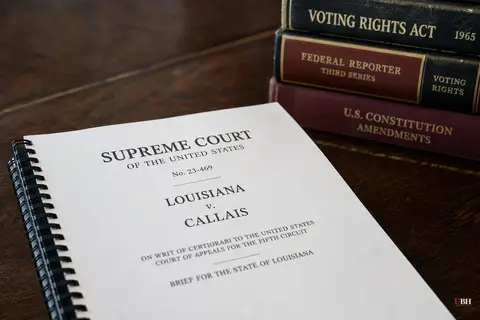
The Congressional Black Caucus Is Losing Ground After the Supreme Court's Louisiana v. Callais Ruling, and Rural Black Voters Are Already Skeptical of Democrats

The Supreme Court's Louisiana v. Callais decision gutted majority-Black congressional districts across the South, threatening to shrink the Congressional Black Caucus by up to a third. At the same time, rural Black voters in states like Georgia are telling Democratic organizers on the ground that the party stopped earning their trust long before any court ruling. Both crises are real, and neither has a clean fix.

Seventh Circuit Upholds Illinois Assault Weapons and Magazine Ban 2-1, SCOTUS Granted Cert on Same Issue

A three-judge Seventh Circuit panel voted 2-1 to sustain Illinois's ban on AR-15-style rifles and 30-round magazines, finding the restrictions consistent with the nation's historical tradition of firearm regulation. Chief Judge Michael B. Brennan dissented sharply, arguing the AR-15 is the best-selling rifle in America and therefore constitutionally protected. The ruling lands as the Supreme Court has already granted certiorari to settle the underlying question directly.

New Hampshire Trans Sports Lawsuit Dropped After Supreme Court Ruling. Seattle Declares a Different Kind of Crisis.

Two transgender teens dismissed their New Hampshire lawsuit challenging the state's female-only sports law, after the Supreme Court's June 30 Title IX ruling closed the legal door. Meanwhile, Seattle's LGBTQ Commission is asking the city to declare a civil emergency over an influx of transgender residents relocating from red states, straining local nonprofits.

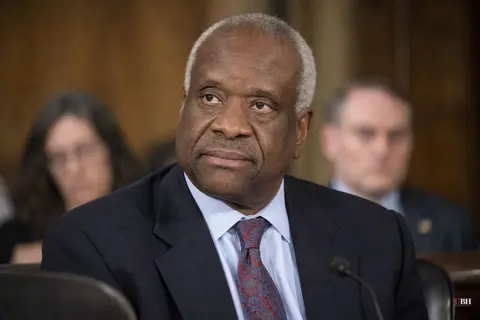
Clarence Thomas Staked Out the Most Expansive View of Presidential Power in the 2025-2026 SCOTUS Term, Dissenting Even When Trump Lost

The Supreme Court's just-concluded 2025-2026 term was dominated by questions of executive power, and Trump lost several major cases. Justice Clarence Thomas, however, wrote repeatedly to argue Trump should have won on even broader grounds than the administration itself claimed.

Trump Asks Supreme Court to Rehear Birthright Citizenship Ruling, a Move With No Modern Precedent

Trump announced Wednesday he will petition the Supreme Court to rehear its June 30 birthright citizenship ruling, a procedural long shot the Court has not granted since 1965. Separately, a Manhattan judge ordered $5.8 million in Carroll damages released to the plaintiff despite Trump's pending SCOTUS reconsideration request on that case.

Supreme Court Has Spent the Past Month Rewriting Second Amendment Boundaries. Three Rulings, One Cert Grant.

Over 12 days last month, the Supreme Court struck down federal drug-user gun prohibitions, invalidated Hawaii's default ban on carrying firearms into private businesses, and agreed to take up assault weapon bans. The rulings are a sustained reminder that legislatures have been enacting gun restrictions for decades without serious constitutional scrutiny — and that scrutiny is now arriving.

11th Circuit Blocks Florida's Stop WOKE Act in 2-1 Decision, Setting Up Possible Supreme Court Review

A federal appeals court ruled that Florida's Stop WOKE Act unconstitutionally restricts what professors can teach at public universities. The 2-1 decision keeps the law blocked while the case continues. Florida can escalate to the full 11th Circuit or petition the Supreme Court.

Louisiana Supreme Court Blocks Arrest Warrant Against AG Liz Murrill, Cites Defective Grand Jury Proceedings

A New Orleans grand jury indicted Louisiana Attorney General Liz Murrill on 16 felony counts last Thursday over letters she sent to city officials about a disputed court clerk law. The Louisiana Supreme Court stepped in Friday with a 5-2 ruling, staying the indictment and recalling a $400,000 arrest warrant, finding serious procedural problems with how the case was handled. The underlying dispute, a legislative restructuring that knocked out a Black exoneree's newly won elected position before he could take office, is generating legitimate anger from both sides.

After SCOTUS Upheld Birthright Citizenship, States and Congress Are Mapping the Next Moves

The Supreme Court's 5-4 ruling in Trump v. Barbara kept birthright citizenship intact under the 14th Amendment, but the decision has not closed the political and legal debate. The Trump administration, conservative lawmakers in Texas, and policy analysts at The Heritage Foundation are each advancing distinct follow-on strategies, from executive action in U.S. territories to state felony laws targeting birth tourism operators.

Supreme Court Lets Texas App Store Age Verification Law Stand, at Least for Now

The Supreme Court declined Monday to block Texas's App Store Accountability Act, which requires age verification for all app downloads and parental consent before anyone under 18 can install an app. The unsigned, unanimous order keeps the law in effect while First Amendment challenges work through lower courts. The ruling is not a final verdict on constitutionality, but it signals the justices were not persuaded the challengers would likely win.

Supreme Court's 2025-26 Term Expanded Presidential Removal Power, Protected Female Sports, and Extended Gun Rights

The Supreme Court's just-concluded term produced a cluster of rulings that shifted real structural power, not just legal theory. Presidential control over the federal bureaucracy expanded, women's sports protections gained a constitutional footing, and the Second and First Amendments both won concrete cases. The decisions will reverberate through statehouses and federal agencies for years.

Supreme Court's Presidential Immunity Ruling Reshaped the Balance of Power. The Debate Over What Comes Next Is Unresolved.
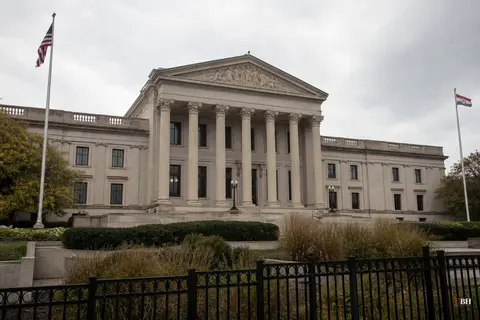
The Supreme Court's 2024 ruling granting broad presidential immunity for official acts has reopened a decades-long argument about where executive power ends and accountability begins. CNN's Joan Biskupic noted the decision expanded not just presidential authority but the Court's own power, since judges now decide what counts as 'official' conduct. Where exactly that line falls remains genuinely unsettled law.

Supreme Court Ends FTC Commissioner Independence, and Tommy Tuberville Faces a Residency Challenge in Alabama's Governor Race

Two separate political developments are unfolding this week: the Supreme Court ruled in Trump v. Slaughter that presidents can fire independent agency commissioners at will, reshaping decades of administrative law, and Alabama Senator Tommy Tuberville is contesting a legal challenge to his gubernatorial bid over whether his primary residence is a Florida beach house, not Alabama.

Supreme Court Ends Independent Agency Removal Protections, Stripping FTC and Similar Bodies of Presidential Insulation

The Supreme Court ruled in Trump v. Slaughter that statutory protections shielding independent agency commissioners from presidential removal are unconstitutional. The decision overturns nearly a century of precedent set by Humphrey's Executor v. United States and hands the executive branch direct authority over agency leadership. Whether that shift produces better accountability or dangerous consolidation of power is the central unresolved question.

Supreme Court's Presidential Immunity Ruling Reshapes Power Between the White House, Congress, and the Judiciary

The Supreme Court's immunity ruling drew immediate debate over how much it shifts power toward the presidency and, critically, toward the Court itself. Supporters argue the decision protects executive function from politically motivated prosecutions. Critics say it places presidents above accountability in ways the Constitution never intended.
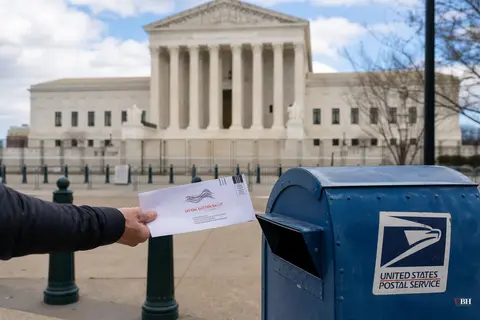
Supreme Court Ends Independent Agency Protections in Trump v. Slaughter, Giving Presidents Direct Firing Power Over Federal Regulators
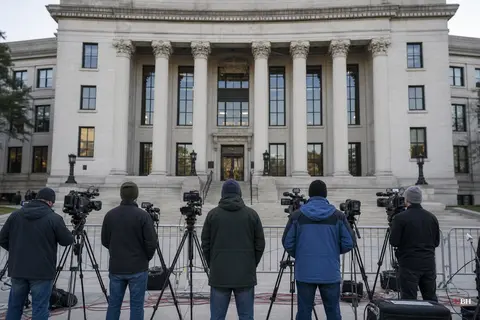
The Supreme Court ruled this week in Trump v. Slaughter that statutory protections shielding independent agency commissioners from presidential removal violate the Constitution's separation of powers. The decision overturns the 1935 precedent set in Humphrey's Executor v. United States and hands the White House direct control over bodies like the FTC. What that means for regulatory accountability, and democratic accountability, cuts both ways.

Supreme Court Upholds Mississippi Post-Election Day Mail Ballot Receipt in 5-4 Watson v. RNC Ruling, States Now in the Spotlight

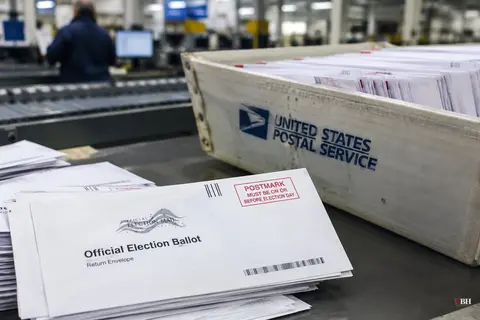
The Supreme Court ruled 5-4 in Watson v. RNC that states may count mail ballots postmarked by Election Day but received afterward, with Justices Roberts and Barrett joining the liberal bloc. Justice Alito's dissent cited five real fraud cases involving absentee ballots. The ruling now shifts pressure to state legislatures to tighten their own deadlines.

Supreme Court Upholds Birthright Citizenship 6-3, but Four Justices Signal Openness to Narrowing It

The Supreme Court struck down Trump's executive order ending birthright citizenship for children of undocumented immigrants and temporary visitors, but only five justices did so on constitutional grounds. The sixth vote kept the order blocked without fully closing the door on future challenges. Georgetown law professor Aderson Francois is already warning the ruling sets up birthright citizenship as a defining political flashpoint for years to come.

Supreme Court's 7-2 Roundup Ruling Splits MAHA from Trump, EPA Review Now the Only Path Left

The Supreme Court's June 25 ruling shielded Monsanto/Bayer from state-level cancer lawsuits, closing the courtroom door for tens of thousands of plaintiffs. It also cracked open a serious rift between the Make America Healthy Again movement and the Trump administration, which argued on Monsanto's side. The EPA's glyphosate risk assessment, expected by end of 2026, is now the last institutional check on the herbicide's status.

Supreme Court Upholds Birthright Citizenship 5-4, Republicans Pivot to Constitutional Amendment Push

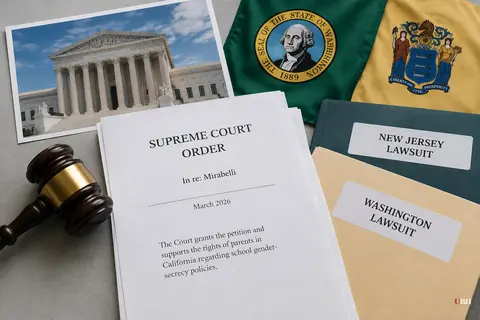
Since the Supreme Court's June 30 ruling in Trump v. Barbara, the political fallout has accelerated fast. Chief Justice John Roberts wrote the majority opinion striking down Trump's executive order, and Republicans are now fracturing over whether to pursue a constitutional amendment, legislation, or both.

Supreme Court Term Ends with Rulings on Birthright Citizenship, Ballot Deadlines, and Presidential Firing Power

The Supreme Court's 2025-26 term closed with consequential rulings on birthright citizenship, post-Election Day ballot counting, and presidential power to fire independent regulators. The decisions reshuffled alliances, drew bipartisan criticism, and left concrete unresolved fights for the next term, including the now-confirmed AR-15 cases.

Supreme Court Agrees to Hear AR-15 Ban Cases, Setting Up Major Second Amendment Ruling

The Supreme Court agreed Tuesday to review two assault weapons bans, one from Cook County, Illinois, and one from Connecticut, in cases that could invalidate similar laws in roughly a dozen states. Arguments are scheduled for the court's October term, with a ruling possible by next year. A Georgia State law professor who studies the Second Amendment says he thinks the court is likely to strike the bans down.

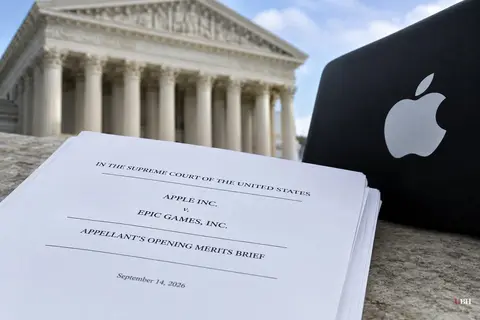
Supreme Court Agrees to Hear Apple's Appeal in Epic Antitrust Case, with a Ruling Expected by June 2027

The Supreme Court has agreed to take up Apple's appeal of a contempt ruling in its years-long antitrust fight with Epic Games. The justices will weigh whether Apple violated a 2021 order requiring it to let developers link to outside payment options. A decision is expected by June 2027.

Supreme Court Overrules 90-Year-Old Precedent, Gives Presidents Power to Fire Independent Regulators

In Trump v. Slaughter, the Supreme Court's 6-3 majority explicitly overturned Humphrey's Executor v. United States, the 1935 decision that let Congress limit presidential removals at independent agencies like the FTC. Chief Justice John Roberts wrote that all agencies exercising executive power must answer directly to the president. The practical consequence: every independent regulatory commission, from the FTC to the NLRB to the SEC, now operates at the president's pleasure.

Showing the 60 most recent of 148. Browse the full archive →