
Unbiased headlines. Facts, not spin.
Every story is an unbiased news briefing written from 110+ sources across the spectrum — sources linked so you can verify it yourself.
 energy
Notable (6/10)
August 1, 2026 at 02:40 AM
energy
Notable (6/10)
August 1, 2026 at 02:40 AM
Westinghouse Electric Files Confidential Paperwork for IPO as Nuclear Demand Surges
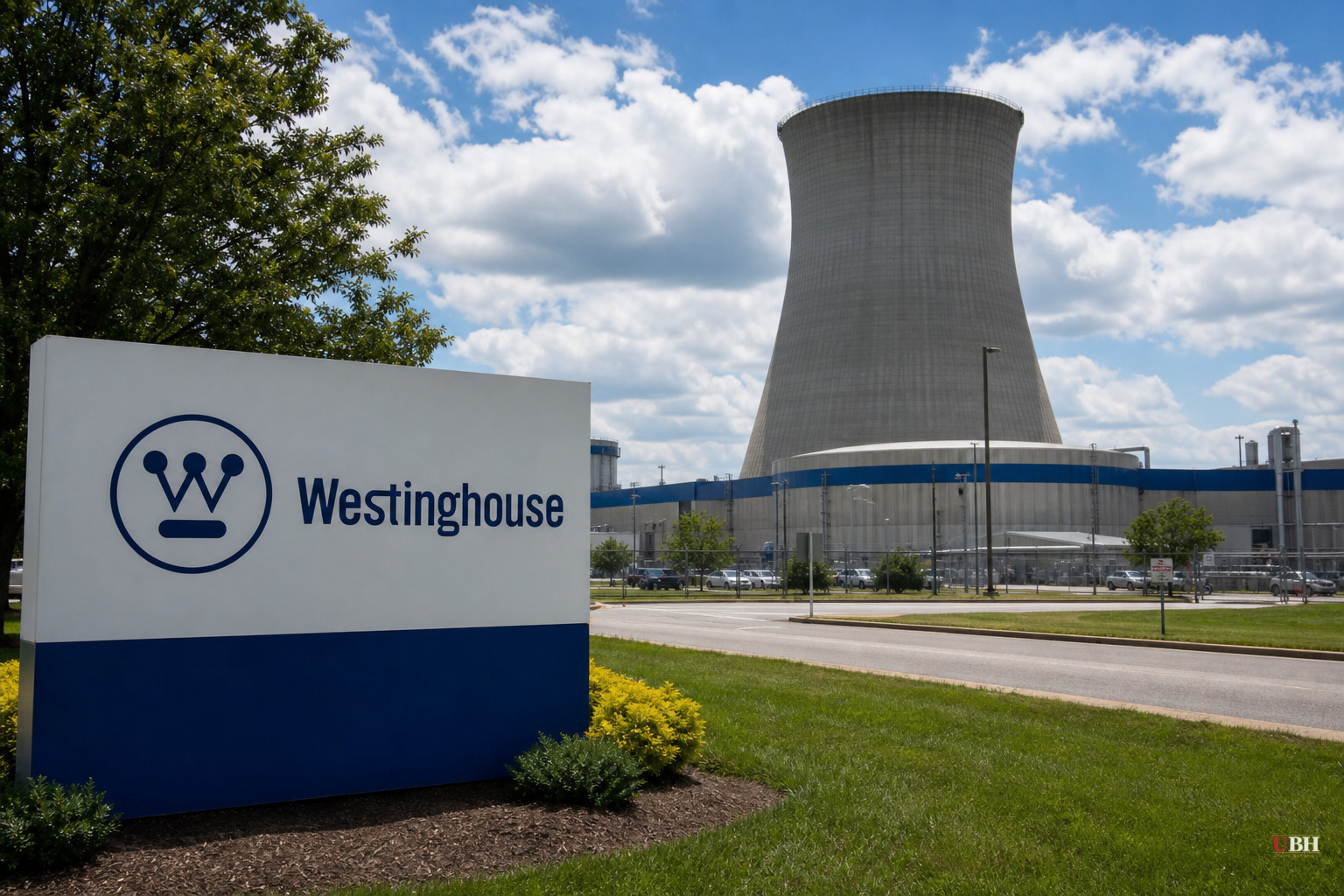
Westinghouse Electric Company has confidentially filed a draft registration statement with the Securities and Exchange Commission, the first formal step toward taking the nuclear giant public. The company has not disclosed how many shares it plans to offer or at what price, and it says any offering will depend on market conditions, according to Power Engineering.
Confidential S-1 filings let companies test the IPO waters with regulators before committing to a public roadshow. Nothing is locked in yet. No date has been set.
The timing, however, is notable. This filing lands just weeks after the U.S. Department of Energy's Office of Energy Dominance Financing issued a conditional loan commitment of up to $17.5 billion to accelerate construction of 10 new AP1000 reactors nationwide, according to Power Engineering. That's a taxpayer-backed bet on a company now angling to sell shares to the public.
Who owns Westinghouse right now
Westinghouse isn't some startup. It went through Chapter 11 bankruptcy in 2018 after a brutal 17-month reorganization tied to cost overruns on nuclear projects. Since a $7.9 billion deal in 2022, ownership has been split between Brookfield Renewable Partners, which holds 51%, and Cameco Corporation, which holds 49%, according to Power Engineering.
An IPO would let those two owners cash out some of their stake, or raise fresh capital for expansion, or both. The filing doesn't say which.
The AP1000 bet
The DOE loan commitment is designed to fund up to five separate two-reactor projects using Westinghouse's AP1000 design, the only licensed large-scale advanced reactor currently operating in the U.S. Each unit generates roughly 1.1 gigawatts. Ten reactors would add about 11 GW of new capacity, according to Power Engineering.
Westinghouse would need to partner with as many as five utilities or energy companies to actually build these things. None of those partnerships have been finalized yet in the reporting available.
Why this is happening now
Electricity demand is climbing again after two decades of flat growth, and everyone points to the same culprits: AI data centers, electrification of vehicles and heating, and a push to bring manufacturing back to U.S. soil. Nuclear offers something wind and solar don't—dispatchable baseload power that runs regardless of weather. That's the case industry leaders and policymakers have been making, and it's a legitimate one.
The Vogtle problem, stated fairly
The counterargument is strong. The last two large reactors built in America, Vogtle Units 3 and 4 in Georgia, entered commercial operation in 2023 and 2024, according to Power Engineering. They were the first new commercial reactors built in the U.S. in more than 30 years. They also came in billions of dollars over budget and years behind schedule.
Anyone skeptical of a nuclear renaissance has Vogtle as Exhibit A. Building nuclear plants is one of the most capital-intensive, complex undertakings in infrastructure. Supply chains break down. Costs inflate. Schedules slip. That's what happened on the record with Vogtle.
Industry leaders argue Vogtle was a first-of-its-kind learning curve and that the next AP1000 projects will go faster and cheaper because the design, licensing and construction playbook now exists. That's a reasonable argument. It's also unproven at scale. Ten more reactors is a much bigger bet than two.
What this means for taxpayers and investors
If the $17.5 billion loan commitment converts into actual construction financing, taxpayers are on the hook if projects go sideways, the same way they were exposed on Vogtle through federal loan guarantees. If Westinghouse goes public around the same time it's drawing on that federal backing, investors buying IPO shares are betting on a company whose biggest growth driver is federally financed reactor construction with a track record of blowing budgets.
Government-backed infrastructure bets built the interstate highway system too. But it's a fact investors deserve to weigh, and it's a fact regulators should be tracking as the S-1 process moves from confidential to public.
No IPO date has been announced. No share count or price range exists yet. The DOE loan remains conditional, not finalized. Which utilities will actually partner on the 10 reactors hasn't been announced either. Those are the open questions that will determine whether this is the start of an American nuclear buildout or another Vogtle-style cost overrun with public money attached.
Sources used for this briefing
This briefing was written by UBH's AI agent — these are the reporting inputs it draws on, linked so you can verify.


