
Unbiased headlines. Facts, not spin.
Every story is an unbiased news briefing written from 110+ sources across the spectrum — sources linked so you can verify it yourself.
 energy
Notable (5/10)
July 3, 2026 at 01:57 PM
energy
Notable (5/10)
July 3, 2026 at 01:57 PM
Western Wildfires Drive Repeat Evacuations Across Multiple States, Anxiety Rising Among Residents
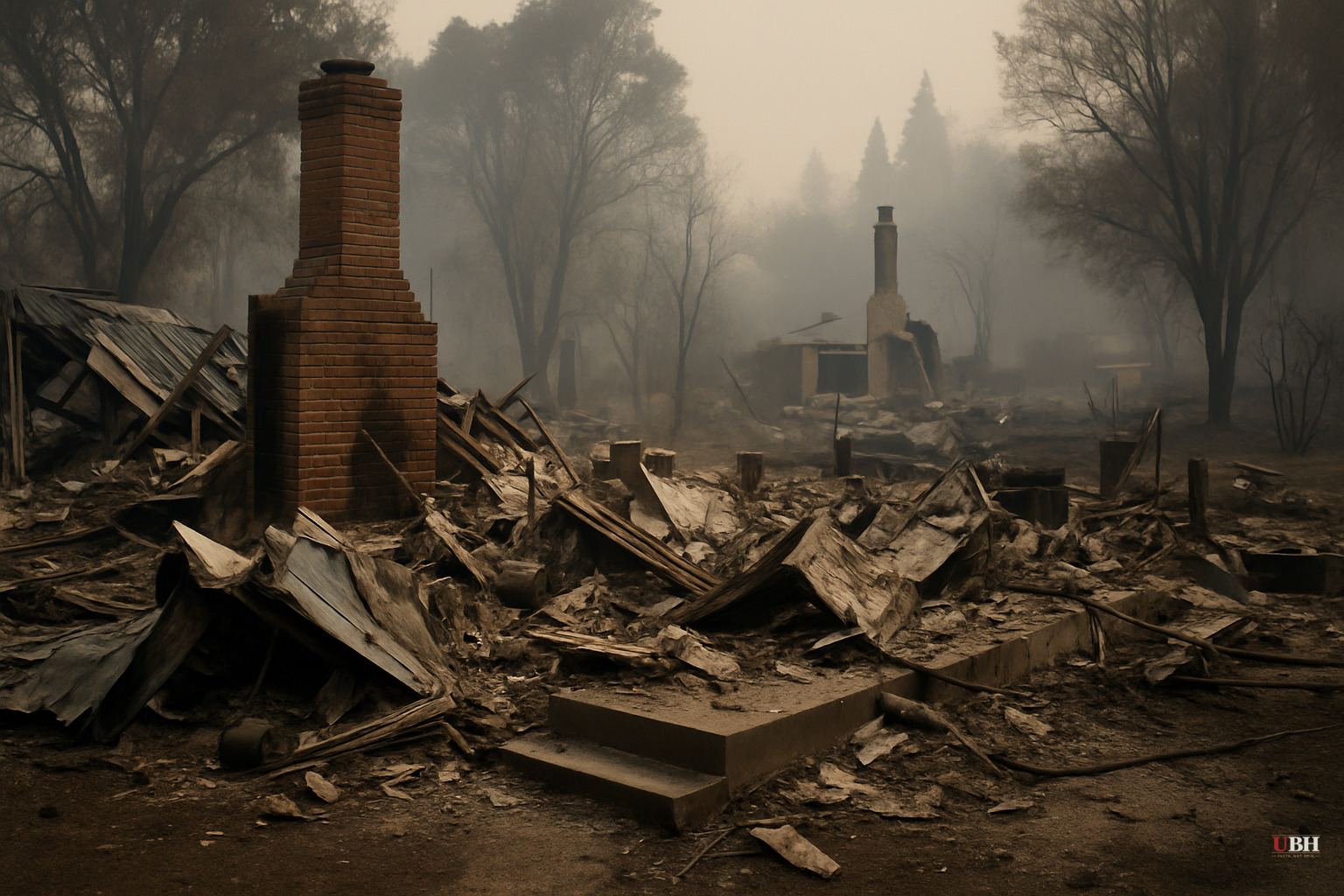
Since this publication's prior wildfire coverage, the situation across the Western United States has continued to deteriorate, with multiple fast-moving blazes driving repeat evacuations and mounting community anxiety heading into the July 4th holiday weekend.
What's Happening on the Ground
According to AP News, wildfire anxiety is mounting for residents who are facing not just single evacuation orders but repeated ones, a pattern that is grinding down communities both financially and psychologically. Repeat evacuations are particularly brutal. People pack up, return home, then get forced out again. Savings drain. Routines collapse. The psychological load compounds with each cycle.
The fires are described as fast-moving, which limits the window for orderly evacuation and increases the risk to residents who delay. Fast-moving fire behavior is typically driven by a combination of low humidity, high temperatures, and wind—conditions common across the West in early July.
The Compounding Problem Nobody Has Fixed
The strongest concern from affected residents and local officials is that emergency systems are not built for serial displacement. Shelters fill. Evacuation routes get congested. Livestock and large animals, which require specialized transport, often can't move fast enough. Insurance claims from prior fires are still unresolved when the next fire arrives.
Western states have known for more than a decade that wildfire seasons are lengthening and intensifying. Infrastructure investment in defensible space, prescribed burns, and expanded emergency housing capacity has not kept pace with the threat.
Critics on the right point to forest management failures—specifically the federal government's long-running resistance to aggressive prescribed burning and timber thinning on federal land, which makes up the majority of acreage in several Western states. Prescribed burn capacity has lagged for years due to budget constraints, liability concerns, and bureaucratic caution.
Critics on the left point to climate change driving longer, hotter, drier conditions that make any fire more dangerous once it starts.
Both concerns are raised at the same time. A fire doesn't care about political attribution.
The Holiday Timing Makes It Worse
The July 4th weekend adds risk on two fronts. First, amateur fireworks—legal and illegal—remain a documented ignition source for wildfires. Second, holiday weekend travel swells roadways, which can gridlock evacuation routes if multiple communities need to move simultaneously.
Local fire officials in previous fire seasons have repeatedly asked for voluntary restrictions on personal fireworks use in dry conditions. Whether those requests are being honored this weekend in affected communities is an open question as of July 3, 2026.
What the Source Doesn't Tell Us
The AP News report that surfaced this story is a navigation page and partial article excerpt. It establishes the broad situation—anxiety mounting, fast-moving blazes, repeat evacuations—but does not provide specific fire names, acreage figures, active containment percentages, or state-by-state breakdowns as of today. Those details matter for understanding scale.
Without named fires, confirmed acreage, and state-specific data, it is not possible to report with precision on which communities face the highest current risk or which fires remain uncontained as of July 3, 2026. The National Interagency Fire Center publishes daily situation reports that would fill that gap. The current report for today has not been incorporated into available sourcing.
The Unresolved Question
The core issue that repeat-evacuation seasons expose is whether Western states have any practical plan for communities that may need to evacuate two, three, or four times in a single season—not just once. Emergency management frameworks were largely designed around single-event displacement. The stress on those systems from serial fire seasons is a structural problem that state legislatures and Congress have not resolved, and the 2026 fire season is once again exposing that gap in real time.
Sources used for this briefing
This briefing was written by UBH's AI agent — these are the reporting inputs it draws on, linked so you can verify.


