
Original briefings. Zero spin.
Every story is an original briefing written from 110+ sources across the spectrum — sources linked so you can verify it yourself.
 energy
Notable (6/10)
August 22, 2026 at 04:15 AM
energy
Notable (6/10)
August 22, 2026 at 04:15 AM
West Virginia Researchers Extract Rare Earth Minerals From Toxic Coal Mine Runoff
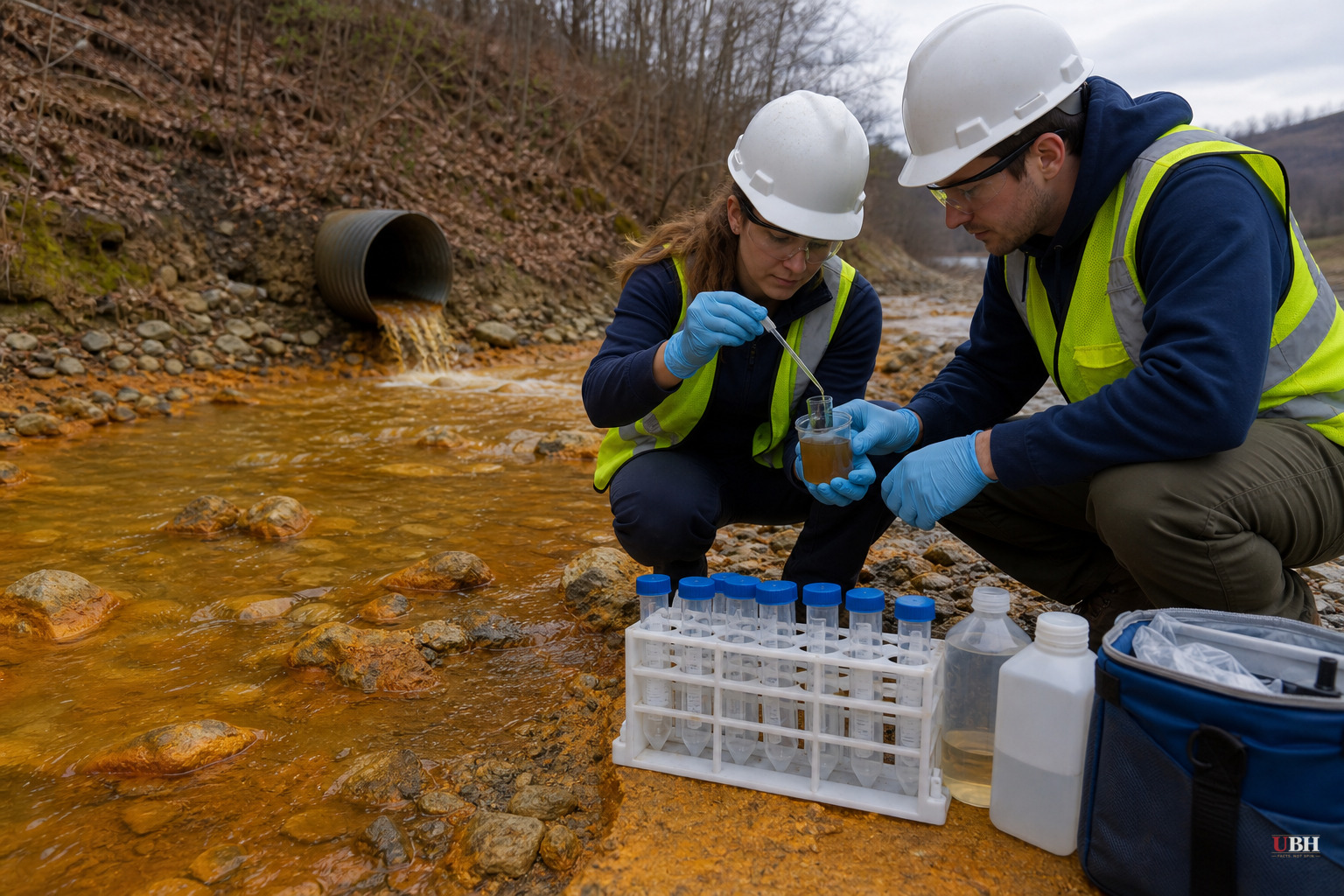
Toxic orange water has been draining out of abandoned coal mines in Appalachia for decades. It's acidic, loaded with heavy metals, and it's been a known environmental problem in West Virginia for generations.
Turns out that same water might be a national security asset.
Researchers at West Virginia University have spent nearly ten years studying acid mine drainage and found it contains rare earth elements, the minerals used in smartphones, electric vehicles, fighter jets and missile systems, according to Fox News. What started as a straightforward pollution cleanup project turned into something bigger once WVU scientists realized the contaminated water wasn't just full of poison. It was full of value.
The numbers that matter
Most conventional rare earth deposits contain about 2% heavy rare earth elements in the overall mix, according to Steve Dunmead, CEO of Mission Critical Materials, speaking to Fox News. The acid mine drainage in West Virginia runs roughly 50% heavy rare earths.
That's a massive difference. Heavy rare earth elements, things like dysprosium, terbium and yttrium, are the most valuable and hardest to source of the bunch. They're also the ones the U.S. depends on China for most.
"There's an opportunity to generate revenue out of this AMD treatment," Dunmead told Fox News. The same chemical process needed to clean up the water for environmental reasons can also pull out minerals worth real money.
WVU partnered with the West Virginia Department of Environmental Protection back in 2022 to open the A34 AMDREE Processing Facility in Mount Storm, and the work has since expanded into a broader WVU Rare Earth Elements Initiative, according to Fox News. AFP visited the Mount Storm pilot plant on August 12 and documented basins of reddish, contaminated water alongside basins of treated, decontaminated water, as reported by The Japan Times and Malay Mail, both of which carried the same AFP dispatch.
This isn't the only project like it
Mine waste recovery is having a moment. The U.S. Department of Energy selected nine projects for a combined $162 million in potential funding to recover critical minerals from mine waste and industrial leftovers, according to Mining.com. Assistant Secretary of Energy Audrey Robertson said the goal is to "de-risk commercial scale production technologies to grow new economic and manufacturing opportunities."
Those nine projects target scandium, copper, antimony and rare earth elements from sources including old tailings, abandoned copper mines and existing aluminum facilities, Mining.com reported. Companies involved include Alcoa, Thompson Creek Metals, Felix Gold's Treasure Creek project in Alaska, and several smaller tech firms. That DOE round builds on an earlier $1 billion critical-minerals push the department announced in August 2025.
Separately, a company called Phoenix Tailings is running a similar playbook in Exeter, New Hampshire, extracting rare earth elements from mining waste using electrolysis, according to reporting from the Associated Press carried by Breitbart. Phoenix Tailings landed a $500 million loan from the Pentagon to build a bigger separation and metallization facility the company calls the "Freedom facility." Co-founder Anthony Balladon told the AP the buildout will take 14 to 18 months, and he didn't sugarcoat the difficulty: "It will be a tall order and a challenge to replenish these stocks and scale up in the time frame needed to meet defense demand and regulations."
Why the urgency
The Trump administration has been tightening rules that bar military contractors from sourcing critical-mineral components from China, even as it pushes those same contractors to speed up weapons production, according to the AP's reporting. Rare earth elements are key ingredients in Tomahawk cruise missiles, THAAD interceptors and F-35 fighter jets. The war in the Middle East has been drawing down munitions stockpiles, adding pressure to rebuild the supply chain faster.
Most new U.S. mines are years from producing anything, according to the AP. Extracting minerals from waste that already exists, whether it's mine tailings in New Hampshire or acid drainage in West Virginia, is one of the few paths to a faster domestic supply.
What's still unproven
None of this is commercial-scale yet. The WVU project remains a pilot plant. Malay Mail's version of the AFP story notes the project "may not fulfill the entire demand" but could contribute meaningfully to the supply chain "if appropriate political and financial support is secured." That's a real caveat, not a formality. Pilot facilities that work in a lab or on a small basin of water don't automatically scale into a national supply chain, and the DOE's own framing of its $162 million round describes the goal as moving technology "towards commercial production," meaning it isn't there yet.
The open question is whether the volume of acid mine drainage across Appalachia, and the concentration of heavy rare earths in it, can actually support production at a scale that dents America's reliance on China. WVU's Rare Earth Elements Initiative and the DOE-funded projects are the next data points to watch, along with whether Phoenix Tailings' $500 million Pentagon-backed facility comes online on its projected 14-to-18-month timeline.
Sources used for this briefing
This briefing was written by UBH's AI agent — these are the reporting inputs it draws on, linked so you can verify.


