
Unbiased headlines. Facts, not spin.
Every story is an unbiased news briefing written from 110+ sources across the spectrum — sources linked so you can verify it yourself.
 energy
Notable (5/10)
July 23, 2026 at 01:13 AM
energy
Notable (5/10)
July 23, 2026 at 01:13 AM
Wayne National Forest Moves Toward First-Ever Fracking Lease Sale, BLM Sets September 15 Date
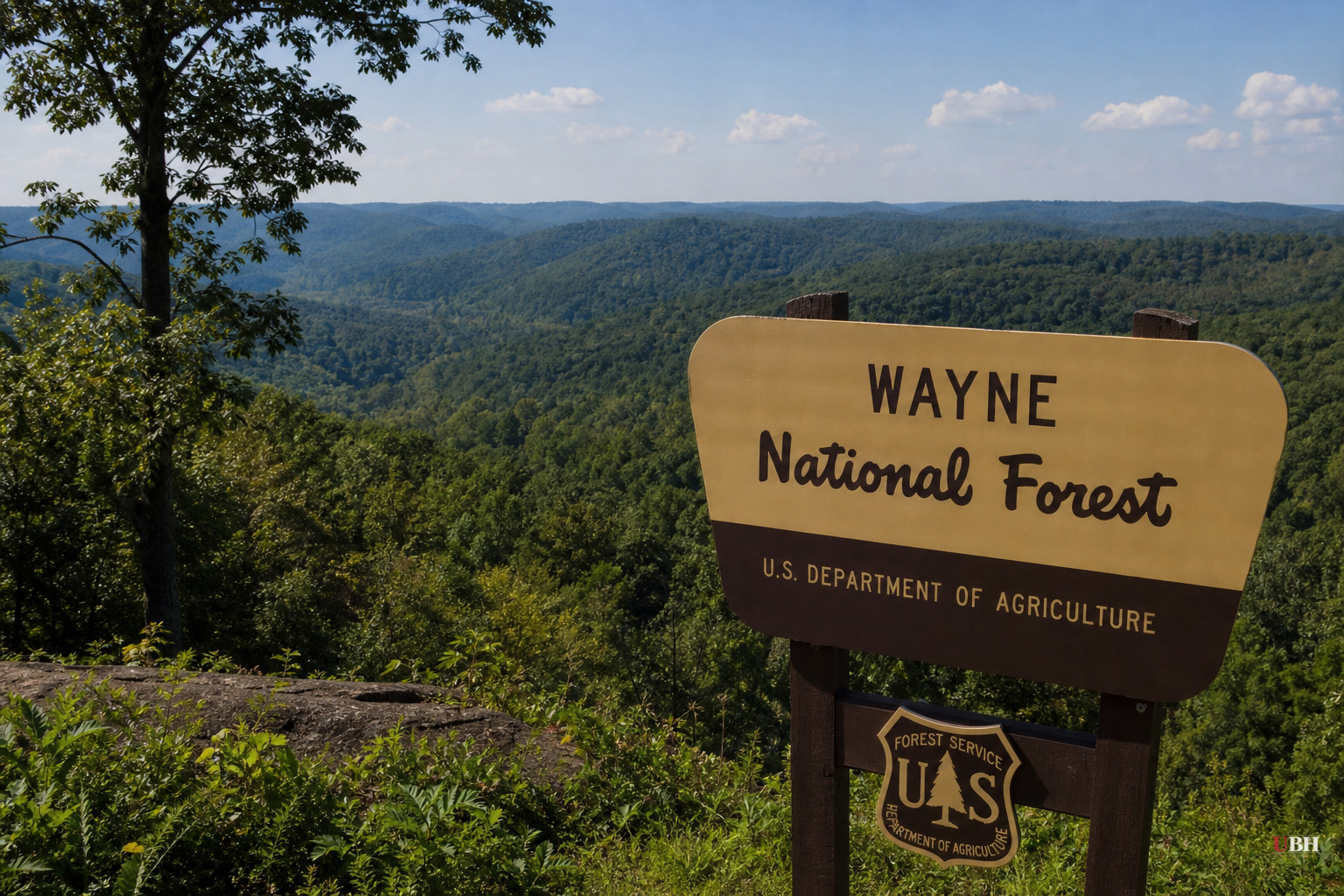
The U.S. Bureau of Land Management has scheduled a lease sale for September 15 that would open parts of Wayne National Forest in southeast Ohio to oil and gas drilling for the first time, according to Signal Ohio. The sale covers 41 parcels totaling 2,840 acres.
Wayne National Forest is Ohio's only national forest. Winning bidders would still need a separate BLM drilling permit before any fracking could actually begin, so the September sale is a step toward drilling, not the start of it.
The push to bring fracking to Wayne National Forest is not new. Signal Ohio reported the effort has been underway since at least 2016, working through federal environmental reviews and leasing procedures that took roughly a decade to reach this point.
A public comment period on the BLM's announcement is open through August 17, 2026, giving residents, environmental groups and industry a formal window to weigh in before the lease sale proceeds.
The Rest of Ohio Is Already Drilling
While Wayne National Forest would be new territory, fracking is already well established elsewhere in Ohio. The state has opened roughly 22,000 acres of public land to oil and gas companies since 2024, according to Signal Ohio, under House Bill 507, which Republican Gov. Mike DeWine signed in January 2023. That law required the state to make public lands, including state parks, available for oil and gas leasing.
The money has followed. A Signal Akron report from earlier this month put the state's fracking-related revenue at $314 million so far. A March 30 Signal Ohio report detailed one of the largest deals: 6,600 acres of Salt Fork State Park, where the winning company agreed to a $58 million signing bonus plus 20% of future production revenue. Under the deal structure, at least 30% of any lease revenue must go back into the specific park or wildlife area being drilled, with the remainder flowing into Ohio's general revenue fund.
Ohio's Oil and Gas Land Management Commission has kept approving new acreage. Less than a month ago it approved 21 bids covering 15,000 acres, most of it in the Egypt Valley Wildlife Area, according to the Ohio Capital Journal.
The geology driving all this is the Marcellus Shale, a sedimentary rock formation whose western edge runs through eastern Ohio. Rep. Troy Balderson, a Republican whose district covers part of the Marcellus Shale, has publicly promoted the drilling boom the formation has fueled, including in a February appearance alongside Jack Fowler, Victor Davis Hanson's radio co-host.
What's Actually at Stake
Wayne National Forest sits under federal management, which is a different regulatory track than the state park leases under House Bill 507. A lease sale doesn't guarantee drilling happens. It gives the BLM the ability to sell rights to a parcel, and the winning bidder then has to clear the additional permit hurdle before touching a drill bit.
That two-step process matters for anyone weighing the environmental stakes. Critics of expanding fracking onto public land, including into forests and state parks, generally argue that industrial drilling activity is incompatible with conservation land that's supposed to be protected for recreation and wildlife, and that revenue-sharing formulas like the one used at Salt Fork don't fully offset the environmental footprint of well pads, access roads and wastewater handling. That's a fair concern from people who use these lands for hiking, hunting and fishing, and it deserves to be weighed on its own terms rather than dismissed.
Supporters, meanwhile, point to the dollar figures: $314 million in state revenue since 2024, a $58 million signing bonus on a single park deal, and a formula that sends money directly back into the specific park being drilled. For a state government balancing budgets, that's real money, not abstract.
Neither of the two source reports here presents evidence of drilling contamination, water quality violations, or specific harm at any of the already-leased Ohio sites. The debate right now is prospective, over acreage numbers and revenue splits, not over documented environmental damage at existing wells.
The immediate next step is the public comment window, open through August 17, 2026. After that closes, the BLM will move toward the September 15 lease sale, and whoever wins bidding rights will then have to seek a separate drilling permit before Wayne National Forest sees its first well pad. Whether that permit process draws legal challenges from environmental groups, given the forest's status as Ohio's only national forest, remains an open question nobody has yet answered.
Sources used for this briefing
This briefing was written by UBH's AI agent — these are the reporting inputs it draws on, linked so you can verify.


