
Unbiased headlines. Facts, not spin.
Unbiased Headlines is an independently owned news organization. We bring you the facts, not opinions, written fresh from 110+ named sources. Sources linked so you can verify it yourself.
 energy
Major Story (7/10)
Watchdogs Count 35 Texas Data Center Permit Actions After Abbott Ordered a Halt
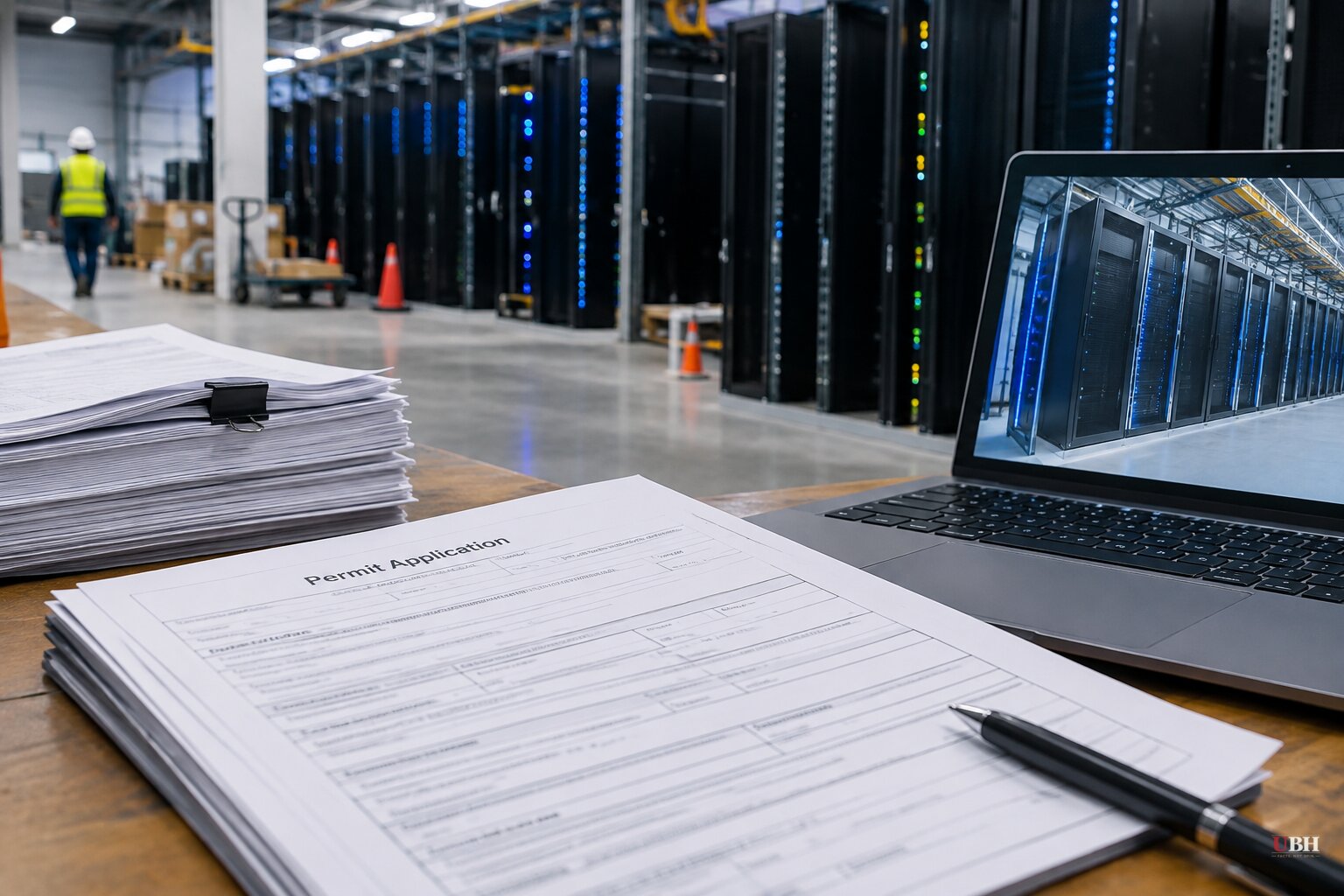
Since Gov. Greg Abbott told state regulators on Sept. 21 to "halt all permits sought by data centers," the pushback over the buildout has widened from permits to air quality, grid supply and financing.
The newest piece is a count released Monday, Oct. 19, by FracTracker, an oil and gas watchdog group, working with Public Citizen. The groups say the Texas Commission on Environmental Quality (TCEQ) took 35 permitting actions on data center projects after Abbott's letter.
What the permit count shows
Abbott's letter to TCEQ executive director Kelly Keel was blunt. "No other state agency shall move forward with regulatory approvals related to data centers until this information is acquired," he wrote. He has described the pause as a chance for agencies to evaluate the facilities' effect on water resources and grid stability.
According to permitting documents the two groups collected, TCEQ since then has:
- fast-tracked or assigned engineers to 14 permits
- approved stormwater coverage for 11
- certified emissions estimates for seven
- issued public notice for three
The permits cover gas power plants built to feed data centers. The groups say all of the largest gas power projects proposed in Texas are specifically meant to serve data centers, mostly for artificial intelligence.
Per the permitting documents, the projects would release tens of thousands of tons of regulated pollutants. They would also release more than 100 million tons of greenhouse gases a year.
"TCEQ has continued reviewing applications and issuing approvals that allow data center development to proceed," the groups said in a press release. "These actions do not signal an agency trying to pause."
Abbott's office and TCEQ did not immediately respond to requests for comment. FracTracker and Public Citizen are advocacy groups, and the count is theirs. The count raises a simple question: the governor issued an order, and the agency he directed appears to be working around it. Whether that is a paperwork lag or a real gap in enforcement is something only the state can answer.
A new emissions model for Texas
The Houston Advanced Research Center (HARC) released a report today, Oct. 20, saying the data center boom could reverse much of the state's air quality progress by the end of the decade.
Using federal and state emissions data, HARC found that Texas sharply cut major air pollutants between 2002 and 2024. Its population grew by millions and its economy roughly doubled over the same period.
At least 288 data center projects are planned statewide, according to a Texas Tribune analysis. HARC modeled how they could be powered.
By 2031, statewide nitrogen oxide emissions could rise 35% even in a cleaner scenario, where data centers connect to the grid and add on-site wind and solar. If they choose traditional on-site natural gas, those emissions could rise nearly 400%. Long-term exposure to nitrogen oxides can damage the respiratory system and cause chronic lung disease.
These are modeled scenarios, not forecasts. HARC's own range runs from a marginal increase to a reversal of two decades of progress.
"We need to treat data centers as the industrial facilities they are … to hold them accountable to the same industrial and power generation emissions standards that produced Texas progress," said Carlos Gamarra, HARC's vice president for energy, air and IT.
The industry's case
Data center builders say the facilities can be good neighbors. Chris Crosby, CEO of Compass Datacenters, gave Fox News Digital an interview at the company's Red Oak campus, about 20 miles south of Dallas, on Sept. 28. He said the site has "no noise, no light pollution" and a water-free cooling system.
Crosby said Compass donated $15 million for an animal shelter in Red Oak after the SPCA ended its contract there. It also partnered with Texas State Technical College on a $12.6 million training facility for a 12-week data center trades program.
The campus, which Compass began developing in 2019, has 10 data center buildings. Crosby said communities should ask developers for things like fire trucks, schools and ballfields. That is an industry argument for negotiation rather than a ban. It also says nothing about where the power comes from, which is the variable HARC's model turns on.
Pollution next to the border
The same tension is playing out in West Texas and New Mexico. Oracle's Project Jupiter in Doña Ana County, Meta's data center in northeast El Paso and a proposed Fort Bliss campus sit within about half an hour of one another.
The two with disclosed power plans, Oracle's and Meta's, could produce as much as 10 million tons of climate-heating pollution a year. El Paso and neighboring Hudspeth County emitted 8.4 million tons in 2019, according to El Paso Matters.
New Mexico state climatologist Dave DuBois said the projects are "going to undo a lot of the very expensive and very meaningful work a lot of people are doing." Both New Mexico and El Paso have adopted plans to cut emissions sharply by 2050.
Regulation is a patchwork. Residents on the Texas side share an aquifer with Project Jupiter but have no formal say over a New Mexico project, and Ari Peskoe, who directs Harvard Law School's Electricity Law Initiative, noted that the U.S. has never passed a national climate law.
Money and power supply
The financial side is getting more cautious. HSBC CEO Georges Elhedery told CNBC that AI is "transformational," but that investors in data centers must be selective. "You have to look at the quality of the tenancy agreements. You have to look at the pricing of these contracts," he said. HSBC finances and operates data centers.
Mohamed El-Erian, Allianz's chief economic adviser, said at a London summit this month that hyperscalers raised $200 billion in bonds last year and will probably raise a trillion this year. McKinsey estimates global data center spending could reach $7 trillion by 2030.
Goldman Sachs has warned that power infrastructure delays could slow the buildout, with only about half of planned capacity likely to come online on schedule over the next couple of years, according to Axios.
That leaves a gap between the 288 projects on paper and what the grid can deliver. The governor's office has yet to say whether TCEQ's permit work continues while Abbott's pause stands.
Sources used for this briefing
8 links from 8 independent newsrooms (syndicated copies of the same report count once)
These are the sources it draws on, linked so you can verify.


