
Unbiased headlines. Facts, not spin.
Unbiased Headlines is an independently owned news organization. We bring you the facts, not opinions, written fresh from 110+ named sources. Sources linked so you can verify it yourself.
 energy
Notable (5/10)
Singapore Sends Haze Notices to Three More Indonesian Companies, Bringing Total to 10
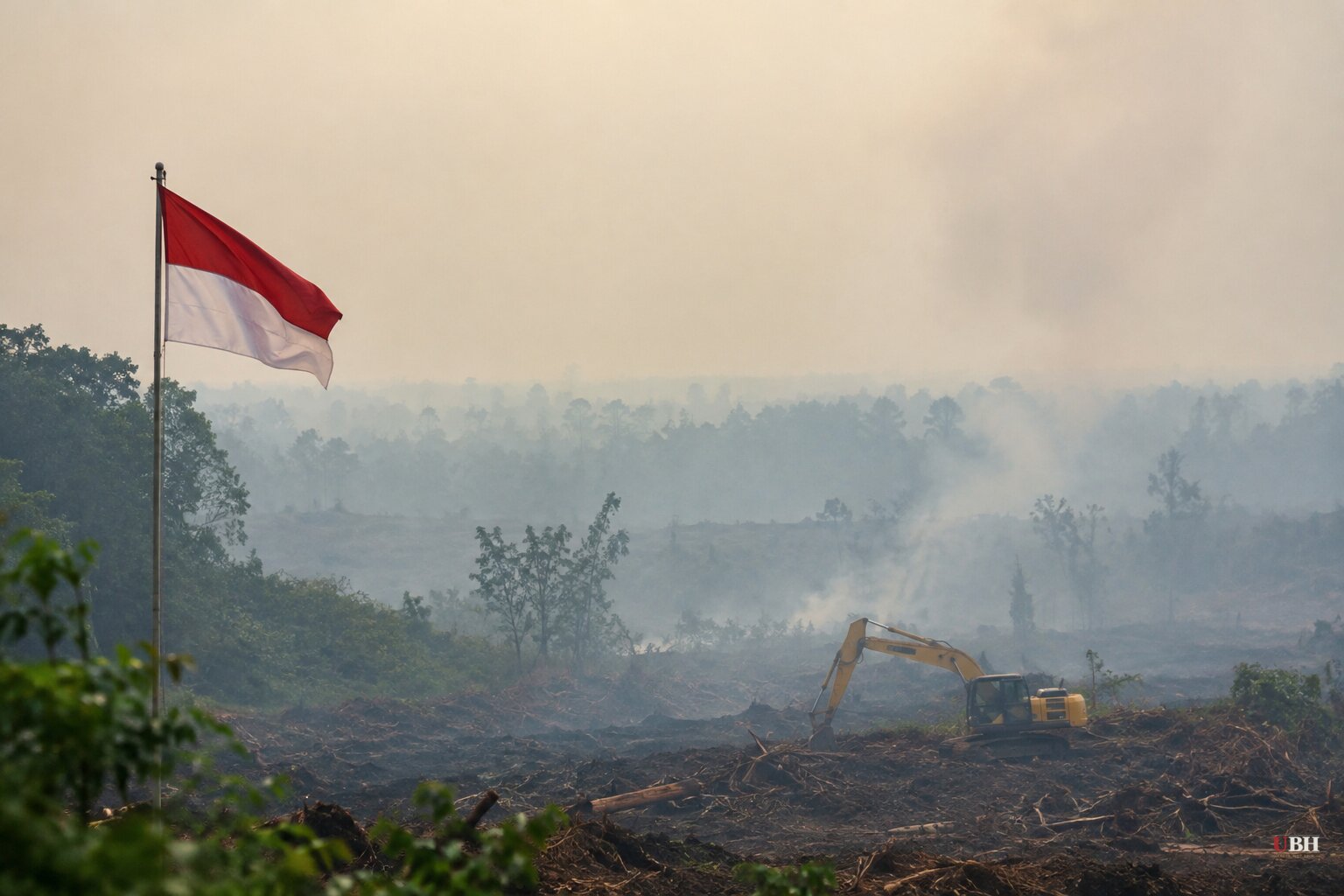
Since Singapore's Minister for Sustainability and the Environment Grace Fu announced preventive notices to seven Indonesian companies on Friday, Oct. 16, the haze has kept spreading, and the target list has grown to 10.
The National Environment Agency (NEA) said Monday, Oct. 19, that it will send notices to three more firms with Kalimantan concessions: PT Buana Megatama Jaya, PT Mananjung Hayak and PT Baratama Putra Perkasa. The agency said there are indications that smoke from fires on their land could have reached Singapore.
The first seven, tied to fires in Sumatra, are PT Bumi Andalas Permai, PT Bumi Mekar Hijau, PT Paramitra Mulia Langgeng, PT Sumatera Alam Anugerah, PT SBA Wood Industries, PT Hutan Lestari Raya and PT Bangkanesia.
What the notices require
Under the Transboundary Haze Pollution Act, each company must put firefighting personnel on land it owns or occupies, stop any burning, refrain from starting new fires, and file an action plan with the NEA for putting fires out and keeping them from returning.
The NEA stressed that a notice is not a finding of legal responsibility. It does open the door to prosecution and financial penalties if the legal elements of an offense are met.
The bill, and the enforcement record
The money at stake is large. Economist Euston Quah of Nanyang Technological University produced a preliminary assessment that, in Eco-Business calculations, puts this year's haze cost to Singapore at S$3.2 billion to S$3.9 billion (US$2.5 billion to US$3.1 billion). The 2015 episode, the costliest on record, cost S$1.83 billion.
Malaysia has its own losses. Eco-Business reports the haze there is estimated to cost up to RM50 million (US$12.3 million) a day. Malaysia has closed schools as air quality deteriorated, and it has no law comparable to Singapore's.
Singapore does have one. More than a decade after it passed, no company has been fined or sued under it, according to Eco-Business.
That is the obvious weakness in the current crackdown. Notices are cheap to issue. Convictions require evidence that a specific company's fire produced smoke that reached Singapore.
Singapore's Coordinating Minister for National Security K. Shanmugam addressed that directly. He called the smog "entirely preventable" and said the problem is "not simply an act of nature" but one driven by companies pursuing profits. He also warned that companies might think evidence is hard to obtain, and that they should not assume they can avoid responsibility.
Weather versus burning
The two explanations are not mutually exclusive. Analyst Ronny Sasmita of the Indonesia Strategic and Economics Action Institution wrote in Al Jazeera that dry weather and El Niño can intensify fires, but that many are deliberately lit to clear land for agriculture. His argument is that the gains from cheap clearing go to a few while the smoke costs are spread across borders, so the burning stays attractive. He says that will continue until polluters pay.
The World Bank's assessment of Indonesia's 2015 fires, which Sasmita cites, estimated losses of at least $16.1 billion, about 1.9 percent of that year's GDP. The bank tied the fires to cheap land preparation, drought and weak enforcement. The estimate excluded some long-term health damage and lost ecosystem services.
Indonesia's own figures on this year's fires differ sharply from independent ones. The Forestry Ministry recorded more than 2,020 square kilometers (780 square miles) of burned land from January to July. The Nusantara Atlas project estimated nearly 8,960 square kilometers (3,460 square miles) had burned by the end of August.
Pressure on listed companies
Singapore is also leaning on capital markets. Shanmugam said the Singapore Exchange has sought information from seven Singapore-listed agricultural companies about their operations and possible links to the Indonesian fires.
That gives Singapore a lever it does not have over Indonesian concession holders. Listed firms answer to a regulator on its home soil.
The unresolved question is whether any of the 10 notices or the exchange inquiries leads to a charge. The Act has existed for over a decade without a single fine, and Singapore has not said when it expects to decide on prosecutions.
Sources used for this briefing
7 links from 7 independent newsrooms (syndicated copies of the same report count once)
These are the sources it draws on, linked so you can verify.


