
Unbiased headlines. Facts, not spin.
Unbiased Headlines is an independently owned news organization. We bring you the facts, not opinions, written fresh from 110+ named sources. Sources linked so you can verify it yourself.
 energy
Major Story (7/10)
Gas and Coal Now 30% of New U.S. Power Capacity in Development, Up From 5% in 2024, Report Finds
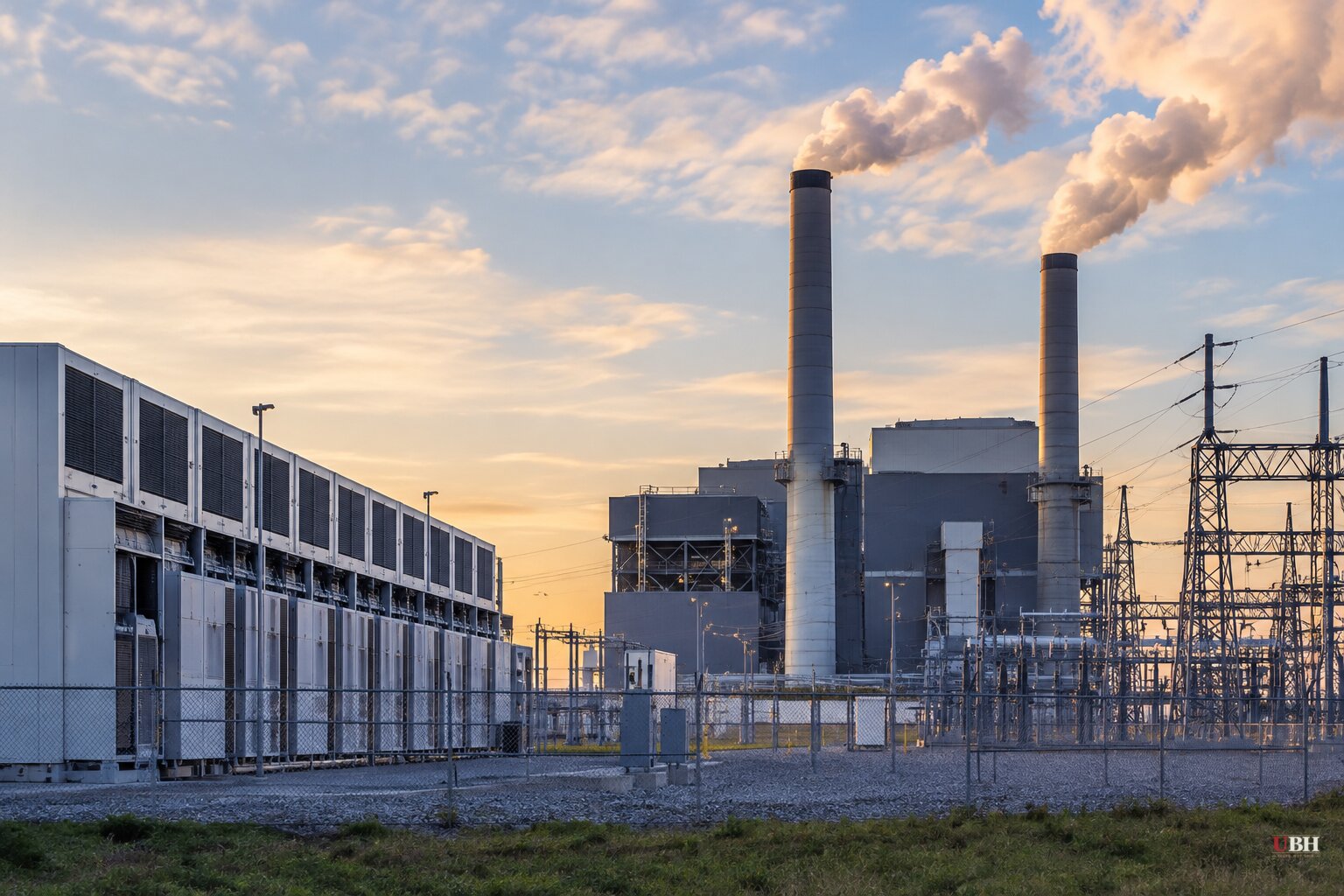
The United States is lining up more fossil fuel power capacity than at any point in a decade, according to a report released in mid-October by the Environmental Defense Fund (EDF) and the research firm Atlas Public Policy.
The numbers come from U.S. Energy Information Administration data. Fossil fuels made up just 5% of planned new capacity in 2024. By the second quarter of 2026, that share was 30%.
The numbers
Planned fossil capacity would reach 68 gigawatts by 2030, a 45% jump from construction plans six months ago, the report finds. If the trend continues, the authors say, fossil fuels could account for 70% of the development pipeline by the end of the decade.
The backdrop is a grid under strain. Electricity demand is rising faster than it has in more than a decade as data centers, factories and electric vehicles plug in.
The U.S. still gets about 60% of its electricity from fossil fuels. But wind and solar together out-produced coal for the first time in 2024, and solar accounted for 81% of new generating capacity added that year.
"The U.S. power sector is at a new inflection point, with decisions made today shaping the cost, reliability, and emissions profile of the grid for decades to come," the report says.
Cost comparison
The report's own cost figures cut against the shift. New utility-scale solar and wind average $68 to $69 per megawatt-hour, versus about $90 per megawatt-hour for a new combined-cycle natural gas plant.
The authors also flag price volatility in fossil fuels. Oil markets show the swings: President Trump ordered a 172-million-barrel draw on the Strategic Petroleum Reserve in March after Iran restricted exports through the Strait of Hormuz. The reserve now holds 283.8 million barrels, its lowest level since 1982, according to the Energy Department. That is an oil story, not a power-plant gas story, but it is the volatility the authors have in mind.
If every gas project in the pipeline gets built, EDF and Atlas warn, it could lock in more pollution and higher electricity prices for decades. Electricity bills have already risen across the country as utilities upgrade grids and build for the new demand.
Projects are getting canceled both ways
Renewables are being scrapped faster than gas. The report puts the cancellation rate at 4.9% of renewable projects versus 2.9% of fossil projects.
Many of those new solar and wind farms still coming online are the tail end of projects that qualified for Biden-era incentives. The Verge reports that the Trump administration has issued stop-work orders, blocked permits and removed tax incentives for wind and solar.
The administration's position
The administration has been open about its preference. Trump campaigned on a plan to "drill, baby, drill," and has named fossil fuels as his preferred power source for energy-hungry data centers.
That is the opposing logic to the report's warnings. Data centers need large amounts of round-the-clock power, and the administration is backing the fuels it says can supply it. The $68 to $69 figure is an average cost per megawatt-hour of new generation. It is a different measure from whether a given grid can meet a 24-hour load.
Who wrote the report
EDF is an environmental advocacy group with a stated interest in cutting emissions. Atlas Public Policy is a research firm. The underlying federal data is public, but the warnings about lock-in and long-term bills are the authors' projections, not established outcomes.
The authors acknowledge the ceiling on their own numbers. Many of the planned gas plants could still fall through, particularly if forecasts for AI data center demand prove overblown.
A power plant is a decades-long asset, and the pipeline is being built on demand projections that have not yet materialized. If the AI load arrives as forecast, 68 gigawatts of new fossil capacity may be needed. If it does not, utilities and ratepayers could be left paying for plants that were planned for demand that never showed up.
Sources used for this briefing
7 links from 5 independent newsrooms (syndicated copies of the same report count once)
These are the sources it draws on, linked so you can verify.


