
Unbiased headlines. Facts, not spin.
Unbiased Headlines is an independently owned news organization. We bring you the facts, not opinions, written fresh from 110+ named sources. Sources linked so you can verify it yourself.
 energy
Notable (6/10)
160 Apache North Sea Workers Set for 24-Hour Strike Wednesday Over 4% Pay Offer
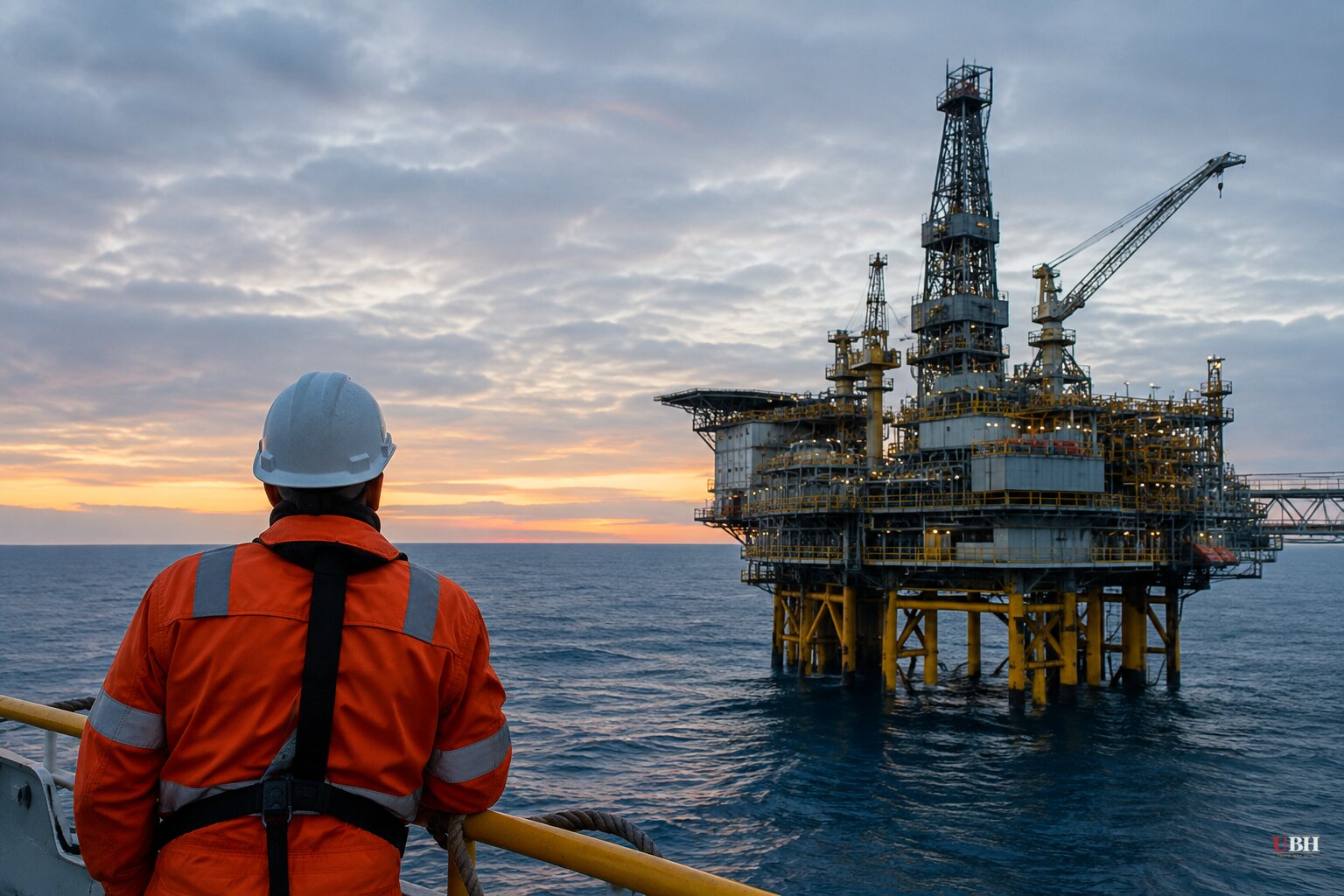
More than 160 offshore workers employed by Apache are set to walk out for 24 hours at 6am on Wednesday, Oct. 21, in a pay dispute with the Texas-based operator. The Unite union says the action could "severely disrupt" UK fuel supplies. Apache says it won't.
The two sides are due back at the Acas conciliation service on Wednesday. Unite says it is not hopeful.
What the strike covers
The workers include electrical, instrument, mechanical and production technicians, plus telecoms technicians and radio operators. Unite says they work on Apache assets tied to the Forties and Beryl fields. The Guardian's account counts five Apache platforms linked to the Forties Pipeline System. Unite, as relayed by STV and London Loves Business, counts seven assets across Forties and Beryl.
The Forties Pipeline System is owned by Jim Ratcliffe's Ineos. The Guardian says it is responsible for about 30% of UK oil production; STV puts its share at 29% of the UK's oil and 30% of its gas. Ineos did not respond to a request for comment.
A second Apache stoppage is planned for Nov. 4, according to Unite.
A separate strike is also on the calendar
A different dispute involves workers at oil services firm Wood Group, who are contracted to Harbour Energy's Britannia, Jasmine, Judy, Lomond and North Everest platforms. A 48-hour strike there was planned to start on Tuesday.
Wood Group says only eight of the 150 employees contracted to those platforms took part in strike action earlier this month, and that operations were not disrupted. Unite and the RMT say a third 48-hour strike is planned for Nov. 3.
The pay dispute
Apache's final offer is a 4% pay increase for employees in the bargaining unit. The company says that matches what its non-unionised employees received earlier this year.
Unite says the offer amounts to a real-terms pay cut for many workers. It also objects to what it calls threats to withhold back pay.
Sharon Graham, Unite's general secretary, said Apache is "part of a global company which is making billions of pounds in profit" and "can easily afford to resolve this dispute without even a dent in their profits." She called the company's conduct "reckless" and "driven by shameful corporate greed."
Unite cites figures showing Apache's parent, APA Corporation, recorded after-tax profits of £1.2 billion on revenue of almost £7 billion in 2025.
Apache disputes the framing. A spokesperson said: "Our offer provides a 4% pay increase for employees in the bargaining unit, whose earnings already place them among the highest earners in the UK and whose offshore rota averages 153 working days a year." The company says it has "engaged constructively throughout the pay discussions" and respects the ballot result, but prefers to settle through dialogue.
Will fuel supplies actually be hit?
Unite's claim is that a halt in Apache production could cause a sharp pressure drop across the whole pipeline system. Stevie Davies, a Unite industrial officer, warned of "a material disruption in the Forties pipeline."
Apache says its contingency plans include experienced contractors and retained personnel on Forties Charlie to run the plant and keep third-party production flowing, even if all five Apache-operated Forties platforms were suspended. Any resulting pressure drop would be, in the company's words, "comparable to that experienced during a routine maintenance outage."
Neither side's prediction has been tested yet. The strike has not started.
The tax backdrop
Apache plans to end all North Sea operations by the end of 2029. It blames the "onerous financial" impact of the UK windfall tax, which puts the combined tax rate on oil company profits at 78%.
Harbour Energy, the UK's biggest North Sea oil producer, also blames the tax regime for scaling back UK investment. It said late last year it would cut 100 offshore jobs, after shedding about 600 since 2023.
The Guardian describes North Sea oil companies as on a "collision course" with trade unions as many cut investment in their UK assets. Unite's argument is about pay for current workers. The companies' argument is about the economics of staying.
Timing
The walkout comes as the UK faces fresh concerns over its energy supplies this winter. The Guardian ties those concerns to a global fuel crisis caused by the wars in the Middle East and Ukraine.
It also lands a week before the Oct. 28 budget. A decision on the controversial Jackdaw gas project is described as imminent.
The next concrete marker is Wednesday: Acas talks, then the 6am walkout if no deal is reached. After that come the Nov. 3 and Nov. 4 strike dates already planned.
Sources used for this briefing
7 links from 6 independent newsrooms (syndicated copies of the same report count once)
These are the sources it draws on, linked so you can verify.


