
Unbiased headlines. Facts, not spin.
Unbiased Headlines is an independently owned news organization. We bring you the facts, not opinions, written fresh from 110+ named sources. Sources linked so you can verify it yourself.
 energy
Major Story (7/10)
Europe Heads Into Winter With Gas Storage at Lowest Level Since 2022, EU Energy Commissioner Warns of 'Very High' Prices
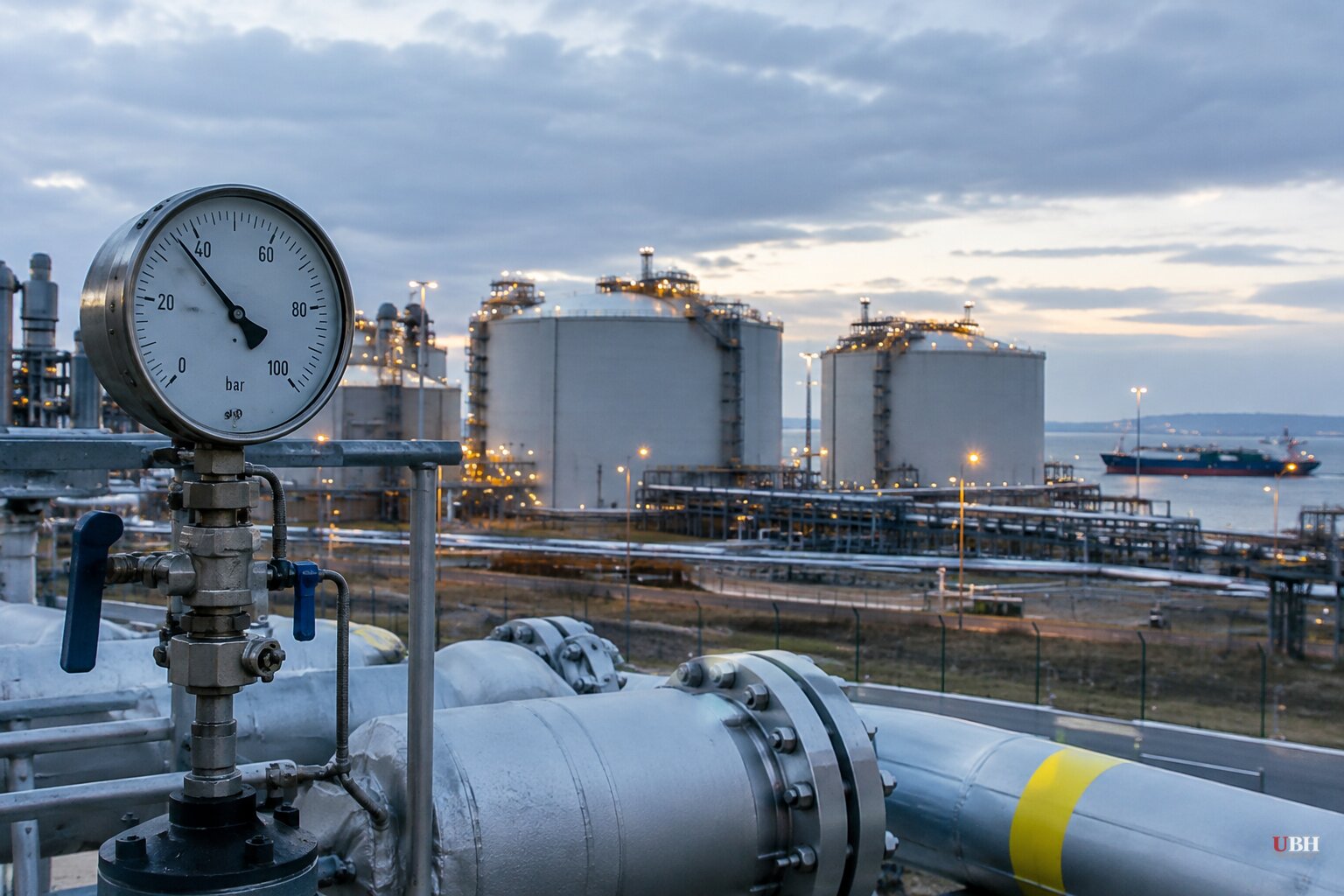
Since the Hormuz disruptions began and kept oil elevated, Europe has been burning through its energy cushion. With the heating season arriving, the gap between what the continent has in storage and what it normally holds is now the main number to watch.
Storage is well below normal
European gas storage was around 67% full in September, against a seasonal average of about 80%. That is the lowest level since 2022.
Germany has the largest storage capacity in Europe. It is roughly half full and is expected to miss its official 80% target this year.
Industry estimates put the EU's fill rate at only 75% to 78% by November 1. That is about 10 percentage points below the five-year average for the date.
LSEG estimates that even with near-normal winter temperatures, Northwest European inventories could fall to around 20% by early April. ABN Amro has run more severe stress scenarios for a cold winter.
Underground storage normally covers about 25% to 30% of EU winter gas demand. Pipeline gas from Norway and imported LNG cover the rest. A thinner buffer means more exposure to whatever the spot market charges.
Why the tanks didn't fill
The low level is not only a weather story. Constrained replenishment over the summer, when Europe normally refills, played a large part.
Restricted transport near the Strait of Hormuz hit Qatar and the UAE, which together account for nearly 20% of global LNG exports. Much of that gas was headed to Asia. With less of it available, Asian buyers went after spot cargoes from the United States, Canada and Nigeria, competing directly with Europe.
Prices reflect the squeeze. Natural gas in Europe has more than doubled since the U.S.-Israeli-led war in Iran began. One industry tally has the European benchmark up more than 150% this year.
The broader energy bill is also climbing. Between September 25, 2025 and 2026, oil rose 65%, diesel 45% and jet fuel 112%. The EU is thought to have paid an additional €100 billion on oil and gas so far this year. Extra energy costs since 2022 have passed €900 billion, even as total demand fell.
What Brussels is saying and doing
EU Energy Commissioner Dan Jorgensen has warned that winter could be challenging with oil and gas prices "very high." He has also said no supply issues are expected.
That reassurance has support. A recent Reuters survey found Europe is not facing an immediate gas shortage. The same survey found its ability to absorb extreme cold or a sudden supply disruption has shrunk significantly.
Jorgensen has proposed postponing the rules that would cut methane emissions on energy imports, to ease pressure on the market. The European Commission has also asked consumers to cut demand through the year.
The EU is spending on energy it cannot easily replace, while delaying a climate compliance rule on imports because of the price pressure.
Relief is partial
Increased U.S. LNG exports have helped. More American cargoes are going to Europe rather than Asia, which shortens Atlantic routes. Deliveries of new LNG vessels are also lowering freight rates, and Atlantic and Pacific rates are back to pre-war levels.
That only partly offsets the loss of Middle Eastern supply, according to the same analysis. U.S. producers have focused on raising oil and gas output, but it cannot fully fill the gap.
Risks remain. Shipments through Hormuz are still threatened, and so is energy infrastructure across the Middle East. Houthi attacks in the Red Sea and on pipelines continue. The El Niño weather cycle adds uncertainty to winter demand. Analysis of the market expects restrictions on global oil trade well into 2027.
Even if the Iran conflict ended during the winter and temperatures stayed mild, households and industry could face high gas prices for at least another year, according to the industry analysis.
What comes next
The first hard test is November 1, when the industry's projected 75% to 78% fill rate either holds or doesn't. After that, the question is how fast stocks draw down. Under LSEG's near-normal scenario, Northwest European storage reaches about 20% by early April, leaving little margin for a cold snap, a pipeline failure or another disruption to LNG shipments.
Sources used for this briefing
7 links from 4 independent newsrooms (syndicated copies of the same report count once)
These are the sources it draws on, linked so you can verify.


