
Unbiased headlines. Facts, not spin.
Every story is an unbiased news briefing written from 110+ sources across the spectrum — sources linked so you can verify it yourself.
 energy
Notable (6/10)
August 3, 2026 at 08:17 AM
energy
Notable (6/10)
August 3, 2026 at 08:17 AM
Washington's 2026 Wildfire Total Nearly Doubles Last Year's, With a Month of Peak Fire Season Still Ahead
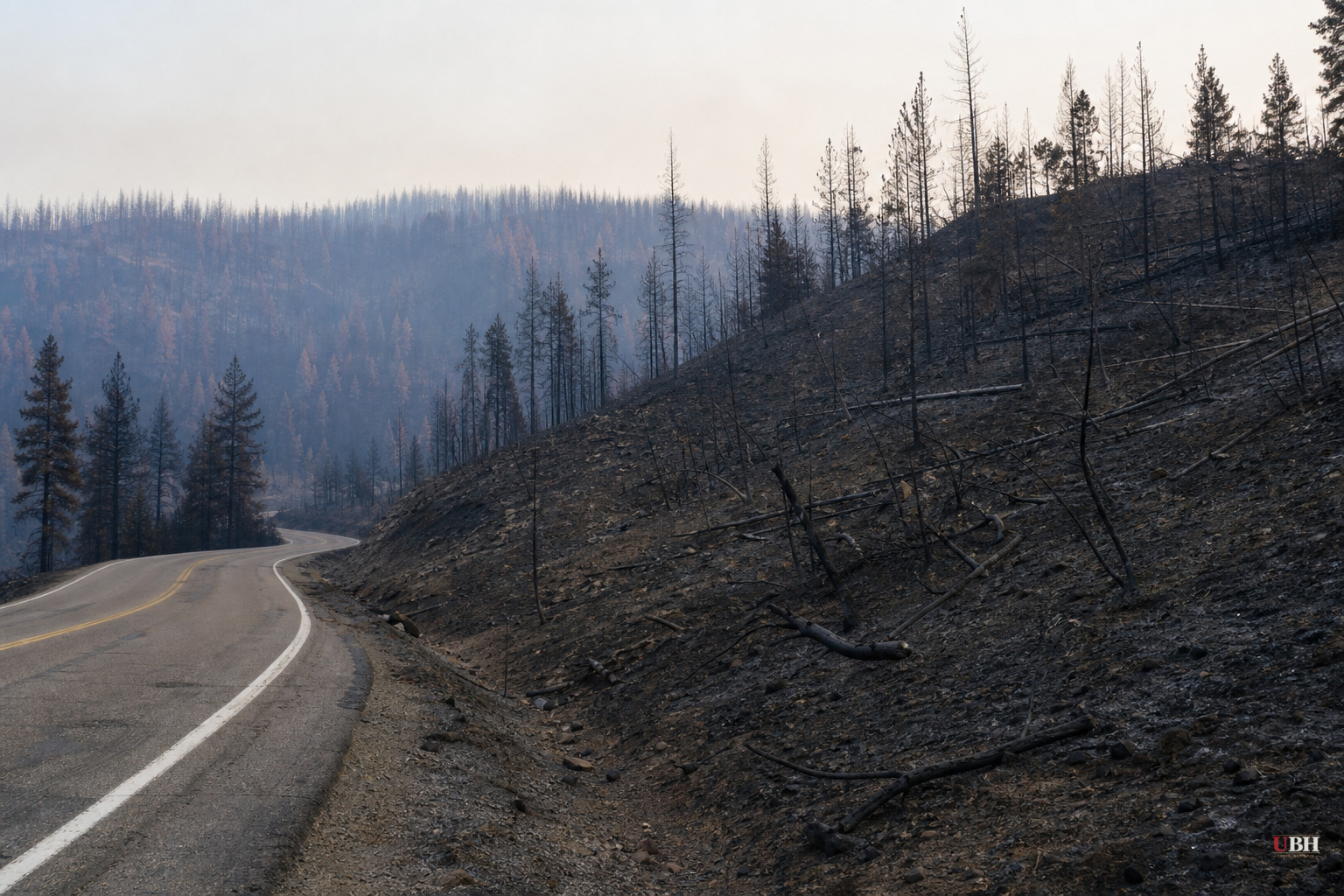
Washington has burned through nearly half a million acres so far in 2026. Last year's entire wildfire season totaled about 247,000 acres, according to Washington State Public Lands Commissioner Dave Upthegrove. That means the state has already come close to doubling a full year's worth of fire damage, and it's only the first week of August.
"Folks are stretched thin," Upthegrove said in an interview reported by The Spokesman-Review. "We are exhausting our resources."
The scale becomes clearer when you look at just one corner of the state. Two fires on the Colville Reservation, near Nespelem and Hunters, started within a day of each other and have already burned a combined 154,000 acres. They've destroyed dozens of homes and forced evacuations around Nespelem and Inchelium, according to The Spokesman-Review.
Washington isn't dealing with more fires starting. It's dealing with fires that spread faster once they start. Data from the Washington Department of Natural Resources shows ignitions are actually below average this year. But conditions—heat, dry fuels, low precipitation—have pushed acres burned well above average anyway. Fewer fires, bigger fires. That's the pattern.
No Higher Alert Level Exists
Spokane County District 3 Fire Chief Cody Rohrbach just got back from Colorado, where fires killed four firefighters. He told The Spokesman-Review he saw this coming as early as June, watching weather patterns that signaled July wouldn't let up.
"Right now, we are nationally at what we call 'PL-5.' That's our preparedness level. That is the highest level of preparedness in the nation and indicative of a lot of strain on the resources," Rohrbach said. "There is no number 6."
It's the actual national fire preparedness scale topping out. Nearly all the complex incident management teams the country relies on to coordinate large fires are either deployed already or have rotated home for mandatory rest, according to Rohrbach.
Help From Florida and Alaska
Washington and Oregon have both pulled in out-of-state firefighters, including crews from Florida and Alaska, according to The Spokesman-Review. That's a normal mutual-aid system. States loan each other resources when their own crews max out, but the geographic spread of the help underscores how thin the national bench has gotten.
Upthegrove asked Governor Bob Ferguson to activate the National Guard to support crews on the fire lines. Ferguson agreed, according to The Spokesman-Review, adding military manpower to a firefighting effort that state officials say is already running on empty.
The state did prepare ahead of time. Upthegrove said Washington moved fire staff around and bought extra equipment this year, funded by the state Legislature, anticipating a rough season. That preparation didn't stop the fires. It bought some cushion, but the cushion is gone.
The immediate question isn't policy. It's whether PL-5 holds through September. Rohrbach's read on the weather in June proved right for July. Whether August brings any relief, or whether Washington's National Guard deployment becomes a permanent fixture of fire season, depends on rain that hasn't shown up yet.
Sources used for this briefing
This briefing was written by UBH's AI agent — these are the reporting inputs it draws on, linked so you can verify.


