
Unbiased headlines. Facts, not spin.
Unbiased Headlines is an independently owned news organization. We bring you the facts, not opinions, written fresh from 110+ named sources. Sources linked so you can verify it yourself.
 finance
Major Story (7/10)
finance
Major Story (7/10)
Warsh Won't Preview Fed's October Decision in Bangkok; Asian Stocks Gain 1.6% and S&P Futures Edge Up
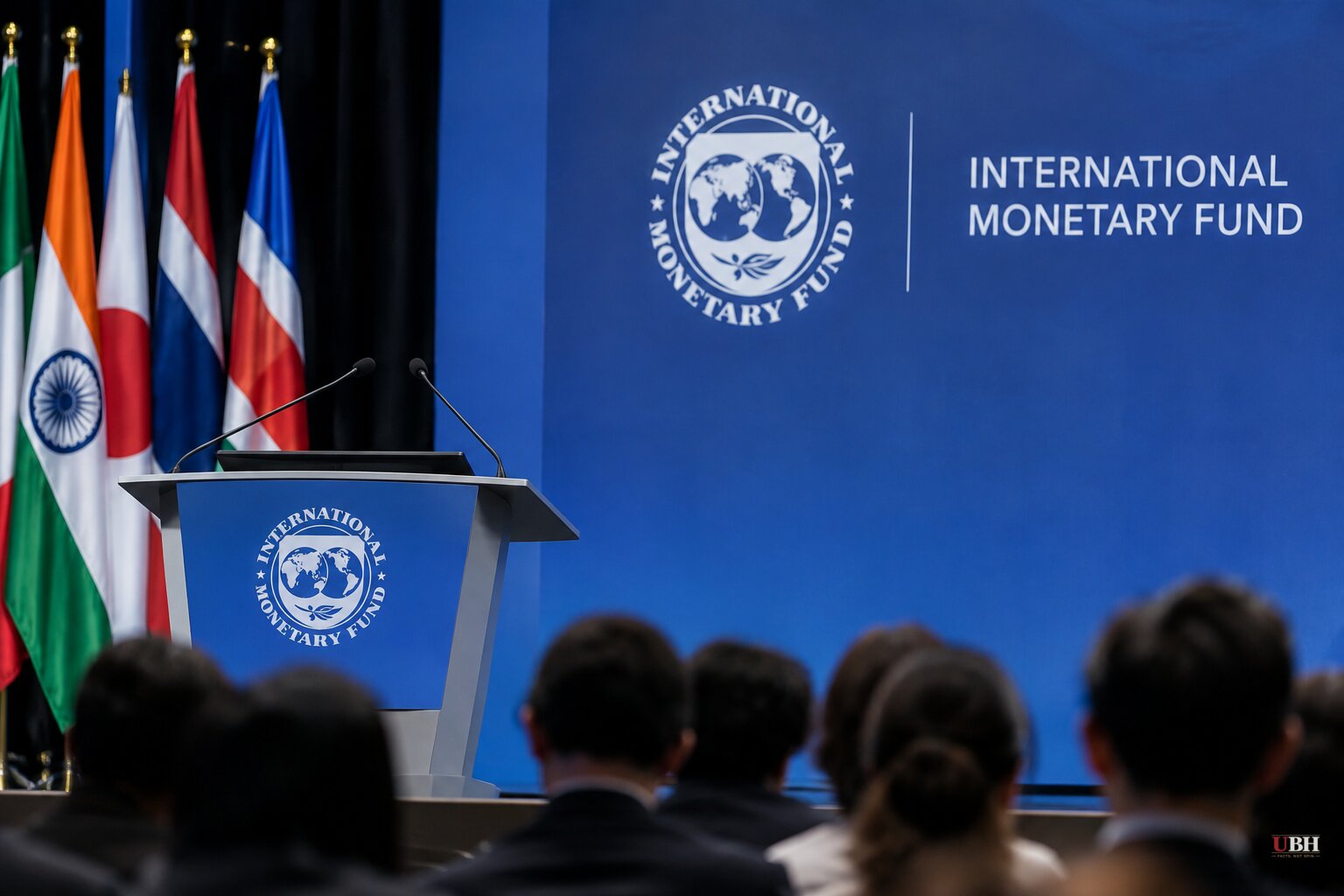
Since this week's firmer-than-expected September inflation data lifted bets on an Oct. 27-28 rate hike, the market has been waiting for one voice. Fed Chair Kevin Warsh spoke Friday morning local time in Bangkok, and he declined to give it a direction.
"I don't prejudge meetings. I don't believe in saying now what I might do at the meetings we have," Warsh said in a moderated conversation at the International Monetary Fund meetings. "It's a new chapter at the Fed, and we're not in that business anymore."
He would neither endorse nor push back on recent signals from colleagues that officials are in no rush to raise rates this month. He made no specific reference to monetary policy. His remarks focused on the benefits of artificial intelligence to the U.S. economy.
Markets read the silence as relief
Traders pared their bets on a hike. MSCI's Asia Pacific equity gauge rose 1.6%. S&P 500 futures, which had been down as much as 0.6%, recovered to a 0.2% gain. Those are overnight futures indications, not a regular-session price. U.S. markets open at 9:30 a.m. ET.
The move had other help. A rout in chip stocks had already eased. Commonwealth Bank of Australia's Ryan Felsman said U.S. stocks bounced after a drop tied to worries about the sustainability of the AI trade, with "attractive valuations and solid corporate earnings luring bargain hunters."
Jeff deGraaf, CEO of Renaissance Macro Research, said "ground zero was the AI buildout's balance sheet" in the past week's selling.
European futures pointed higher. The dollar fell, Treasury yields were little changed, and gold rose.
What the Fed has already put on the record
The Fed raised rates a quarter point last month to a range of 3.75% to 4%. The vote was unanimous. It was the first increase in three years.
Minutes released Oct. 7 show most participants judged that another increase would likely be appropriate by year end. The same minutes said participants approach each meeting "with an open mind" and that decisions depend on incoming information.
Two weeks ago, top officials who consult with Warsh on policy strategy signaled the central bank was in no hurry to hike again this month. Odds of an October increase fell shortly afterward.
Then the data turned. Core consumer prices, which exclude food and energy, rose 0.33% in September, the second straight firm monthly reading. Producer prices released Thursday were also strong.
Warsh has said he wants investors to focus on the economy rather than on hints from Fed officials about their next moves. Friday's answer fit that stance. It also left the data-versus-signals conflict unresolved heading into the quiet period.
Oil, the war and the rate outlook
The Epoch Times reported that the war in Iran, now approaching its ninth month, is keeping energy prices elevated. The minutes show policymakers worry that could spread into broader inflation, with "second- and third-order" effects. Inflation has run above the Fed's 2% target for more than 60 consecutive months.
The International Energy Agency said Thursday that emergency oil stocks released by member countries would exceed the 400 million barrels agreed in March. Members pledged to speed up the remaining releases of around 100 million barrels, including more than 20 million barrels of diesel. Oil fell in Asia on the news.
Apollo Global Management chief economist Torsten Sløk doesn't see that as a turning point for rates. "A Middle East deal after the midterm elections could push yields lower via lower oil prices, but the fundamental direction of travel for rates remains higher, especially with ongoing fiscal challenges and heavy Treasury issuance," he said.
Justin Bergner, a portfolio manager at Gabelli Funds, said monthly data were likely pushing the next hike to December rather than October. The data, he said, do not change concerns around oil and inflation, fiscal sustainability, and AI hyperscaler capital spending competing for capital. His note predates this week's CPI and PPI releases.
The political clock
Fed officials were set to enter their pre-meeting quiet period shortly after Warsh's appearance, so no further scheduled remarks from him are expected before the decision.
The Oct. 27-28 meeting falls less than a week before the Nov. 3 midterms. Dow Jones noted that either a hike or a hold could draw more political scrutiny than usual.
What remains open is whether the Fed weighs the September core reading and the strong producer prices more heavily than the signals from its own officials two weeks ago. That answer arrives in the Oct. 27-28 decision.
Sources used for this briefing
7 links from 7 independent newsrooms (syndicated copies of the same report count once)
These are the sources it draws on, linked so you can verify.


