
Unbiased headlines. Facts, not spin.
Unbiased Headlines is an independently owned news organization. We bring you the facts, not opinions, written fresh from 110+ named sources. Sources linked so you can verify it yourself.
 finance
Major Story (7/10)
finance
Major Story (7/10)
Norway Commission Recommends Letting $2.3 Trillion Wealth Fund Buy Lockheed, Boeing, BAE and Other Nuclear-Linked Arms Makers
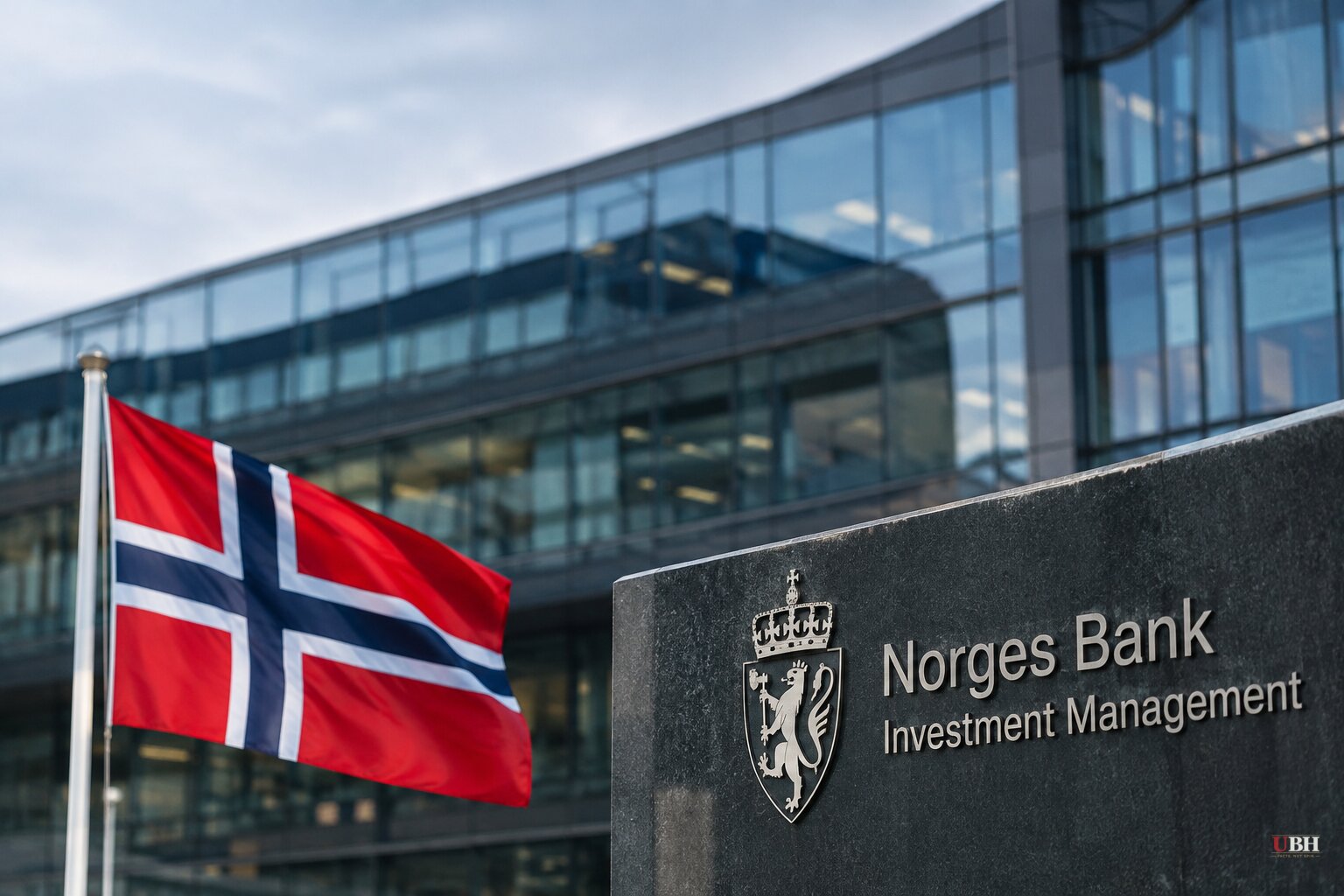
Norway's sovereign wealth fund could soon be allowed to buy into some of the biggest names in Western defense.
On Thursday, Oct. 15, the Gjedrem Committee delivered its review of the fund's ethical guidelines to the Finance Ministry. Its central recommendation: loosen the nuclear weapons exclusion so the fund can invest in companies based in allied nuclear-weapon states.
The fund is worth about 21.8 trillion Norwegian kroner, roughly $2.3 trillion. It is the world's largest sovereign wealth fund and holds stakes in around 1.5% of the world's publicly listed companies.
What the committee proposed
Current rules bar the fund from owning Airbus, BAE Systems, Boeing, BWX Technologies and Lockheed Martin because they contribute to making nuclear weapons. The exclusion list also includes Safran, Thales, Northrop Grumman, Fluor, General Dynamics, Huntington Ingalls Industries, Jacobs Solutions, L3Harris Technologies and L&T.
The committee wants the nuclear criterion kept, but with a narrower scope. In its words, the fund should not invest in companies that produce nuclear weapons "unless the company is domiciled in a nuclear-weapon state under the Treaty on the Non-Proliferation of Nuclear Weapons (NPT) that is allied with Norway."
Committee head Svein Gjedrem, a former central bank governor, told a press conference that this means several British, French and American weapons companies can be reinvested in. The committee's recommendations were unanimous.
It also proposed allowing investment in companies that make weapons Norway needs for its own defense. And it would drop the requirement to assess whether arms buyers use the products in line with international humanitarian law.
The fund already holds some defense stocks, including a 2.3% stake in Germany's Rheinmetall and a 1.5% stake in Italy's Leonardo.
The security argument
The committee said Norges Bank "must be prepared for situations where conflicts escalate into war." It pointed to wars in the Middle East and Ukraine, energy security worries and a weaker international order.
"The liberal, rules-based international order is in decline," the report said. "Economic policies are increasingly used as instruments of foreign policy."
Finance Minister Jens Stoltenberg, a former NATO secretary general, commissioned the review. He cited the changed security situation and Norway's reliance on NATO's nuclear umbrella.
The committee also made a practical point about the fund's exposure. It warned that governments may increasingly see ethical exclusions as Norwegian government policy, and that retaliation could hurt the fund and other Norwegian interests. It noted that pressure on public finances raises the risk of countries taxing foreign investors' interest and dividend income. It also flagged more restrictive conditions for exercising ownership rights in the United States.
More than half the fund's assets are in the U.S. Its ten largest holdings, led by tech names such as Nvidia, Apple and Amazon, make up over 20% of the value of its share holdings.
The Caterpillar fight
The review was ordered in November 2025 after controversy over divestments from Israeli and American firms. The sharpest was the fund's exit from Caterpillar, which it said was tied to the use of the company's bulldozers in Gaza and the occupied West Bank.
The Trump administration criticized that move. Weeks later, Norway's parliament paused ethics-based divestments until this review was finished.
The committee said parts of the reason for its appointment were the fund's handling of the war in Gaza. It argued that judgments about "another state's conduct" should be "reserved for the ordinary diplomatic channels of the Norwegian authorities," not made by the fund. It also recommended changes to how exclusions are decided and to the role of the fund's independent ethics watchdog.
Opposition from rights groups
Critics are already lining up. The Norwegian Red Cross condemned the nuclear proposal. "By investing in such weapons we are sending a signal to the whole world: these weapons are acceptable. This endangers lives," Red Cross chief Grete Herlofson said in a written statement.
Civil society groups more broadly called the package a watering-down of the fund's ethical rules. They argue it would set a regressive precedent other international investors are likely to follow. Critics also object to provisions under which the reasoning behind ethical decisions could be kept quiet.
The committee's own view is that the guidelines still enjoy broad support but are under political strain, and that the fund's size gives it better access to company boards than it had in 2003.
What happens next
The proposal could send tens of billions of dollars toward weapons makers if adopted. The minority Labour government would have enough parliamentary support to pass the changes if it backs the commission's plan.
The Finance Ministry is expected to make its own proposals in spring 2027. Until then, the fund's list of excluded defense companies stays as it is, and the unresolved question is how much of the committee's package the government keeps.
Sources used for this briefing
7 links from 6 independent newsrooms (syndicated copies of the same report count once)
These are the sources it draws on, linked so you can verify.


