
Unbiased headlines. Facts, not spin.
Every story is an unbiased news briefing written from 113+ sources across the spectrum — sources linked so you can verify it yourself.
 tech
Notable (6/10)
September 27, 2026 at 10:20 PM
tech
Notable (6/10)
September 27, 2026 at 10:20 PM
Walmart CEO Pledges No Personalized Pricing as Digital Shelf Labels Roll Out Nationwide
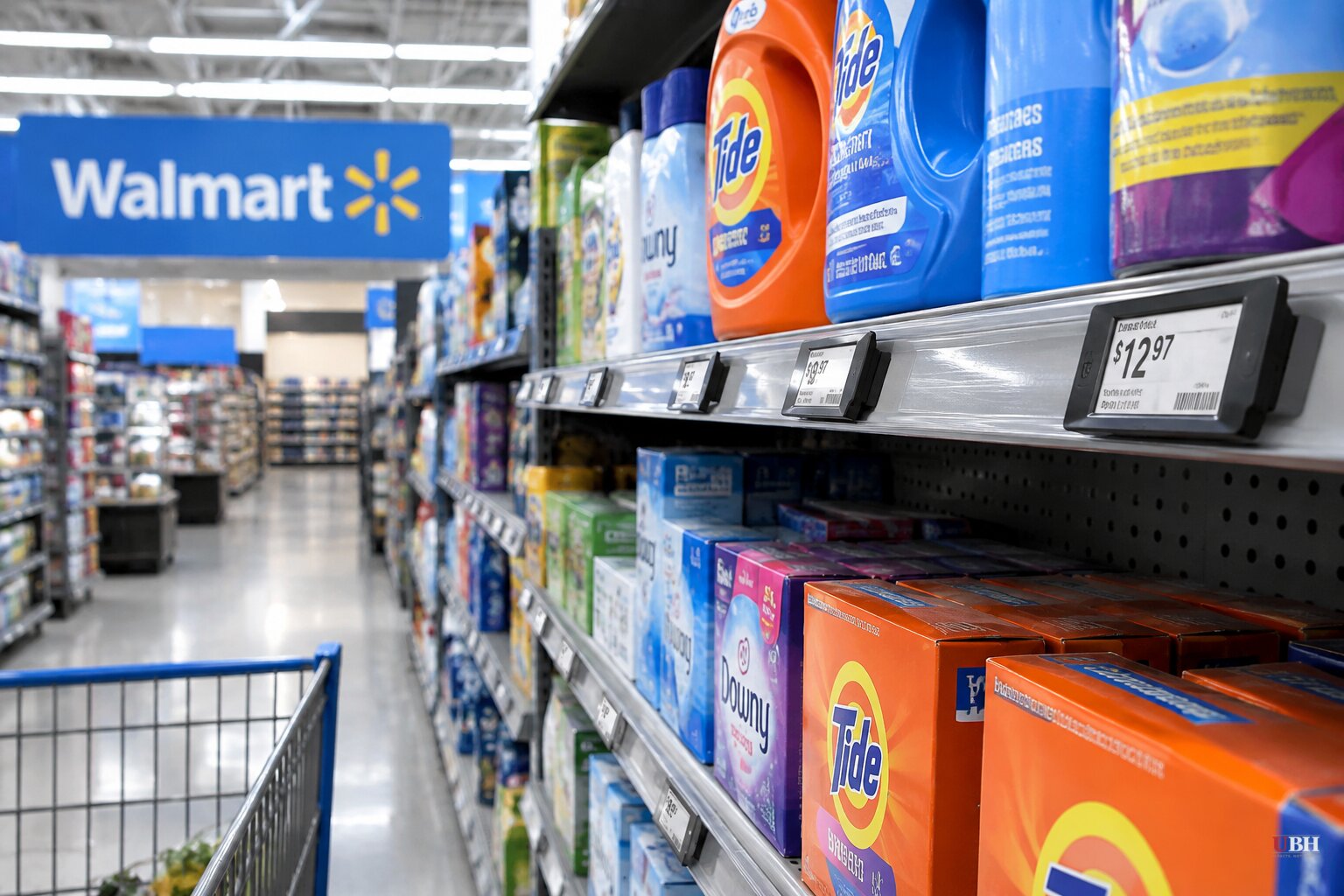
Walmart wants shoppers to know it's not watching their wallets to decide what to charge them. CEO John Furner posted a letter on the company's website Friday, September 25, promising the retailer will not use a customer's income, purchase history, or "moment of need" to set a higher price.
"We price the product, not the person," Furner wrote. He extended the same pledge to Sparky, Walmart's AI shopping assistant, saying it won't be used to raise prices or hide cheaper options that meet a shopper's needs.
Why Now
The letter didn't come out of nowhere. Walmart is in the middle of replacing paper shelf tags with digital price labels that let the company change prices instantly from a central computer instead of sending an employee down the aisle with a price gun.
As of March, Walmart had digital shelves in 2,300 U.S. locations, according to the company, with plans to go chain-wide within a year. That rollout has drawn scrutiny from consumer advocates and lawmakers who worry the same technology that speeds up price changes could also be used to charge different customers different amounts for the same item, according to the Associated Press.
The letter follows a Federal Trade Commission study of the practice, state legislation in Illinois and Minnesota targeting what's been dubbed "surveillance pricing," and a Senate hearing on AI-driven pricing that drew pushback from grocery trade groups FMI and the National Grocers Association, according to theshelbyreport.com. Last month the FTC issued a bulletin warning companies that personalizing prices based on personal data could run afoul of consumer protection law, though the agency said it lacks blanket authority to ban the practice outright and instead is requiring disclosure when personal data is used to set a price.
The Concern, Stated Fairly
Consumer advocates who are skeptical of digital labels have a reasonable point: the same infrastructure that lets Walmart cut a price in seconds also lets it raise one in seconds, for one store, one shelf, or theoretically one customer, without a paper trail a shopper can see. Once pricing moves off a printed tag and onto a networked screen tied to an AI assistant, the technical barrier to differentiated pricing mostly disappears. That's a legitimate reason to ask hard questions, and it's the reason Furner felt the need to write a public letter in the first place.
But a corporate promise is not a regulation, and it's not an audit. Furner's letter commits Walmart to three standards and says the company will "monitor and test its technology against the commitments," per theshelbyreport.com. That's Walmart grading its own homework. There's no independent verification built into the pledge, no named third party checking receipts, and no penalty specified if Walmart breaks its word beyond the reputational hit of getting caught.
What's Actually Provable Right Now
No charges, no FTC enforcement action, and no lawsuit accuse Walmart of running personalized pricing. The FTC's bulletin was a warning to the industry broadly, not an accusation against Walmart specifically. Furner's letter is a preemptive promise, not a response to a proven violation.
Walmart is rolling out infrastructure that could enable the practice, regulators and state legislators are getting ahead of it, and Walmart chose to put a written commitment on the record before anyone accused it of anything.
One Story, Five Bylines
The Associated Press account of this letter ran nearly word-for-word under Fortune's, News4Jax's, MSNBC's, and U.S. News & World Report's names. That's five outlets carrying one wire report, not five independent confirmations. The most substantive additional reporting came from Business Insider, which got a direct quote from Furner about not using "the relationships our associates have with customers to charge more," and from theshelbyreport.com, a trade publication that connected the letter to the specific state bills in Illinois and Minnesota and the Senate hearing that FMI and NGA pushed back against.
Walmart's own posted letter is the primary document here, and it's the only source that lays out Furner's three specific pledges in full. The company has not said who, if anyone, will independently verify compliance, or what happens if a future audit or lawsuit finds the promise was broken.
The unresolved question is enforcement. The FTC bulletin demands disclosure, not a ban, and no regulator has announced it will audit Walmart's pricing algorithm. Until a state attorney general, the FTC, or a class-action filing tests that promise against Walmart's actual pricing data, the letter is a corporate statement of intent, nothing more.
Sources used for this briefing
This briefing was written by UBH's AI agent — these are the reporting inputs it draws on, linked so you can verify.


