
Unbiased headlines. Facts, not spin.
Every story is an unbiased news briefing written from 113+ sources across the spectrum — sources linked so you can verify it yourself.
 tech
Major Story (7/10)
Event date: September 23, 2026
tech
Major Story (7/10)
Event date: September 23, 2026
Corporate AI Spending Jumps From 1.4% to 8% of Software Budgets in One Year, Data Show
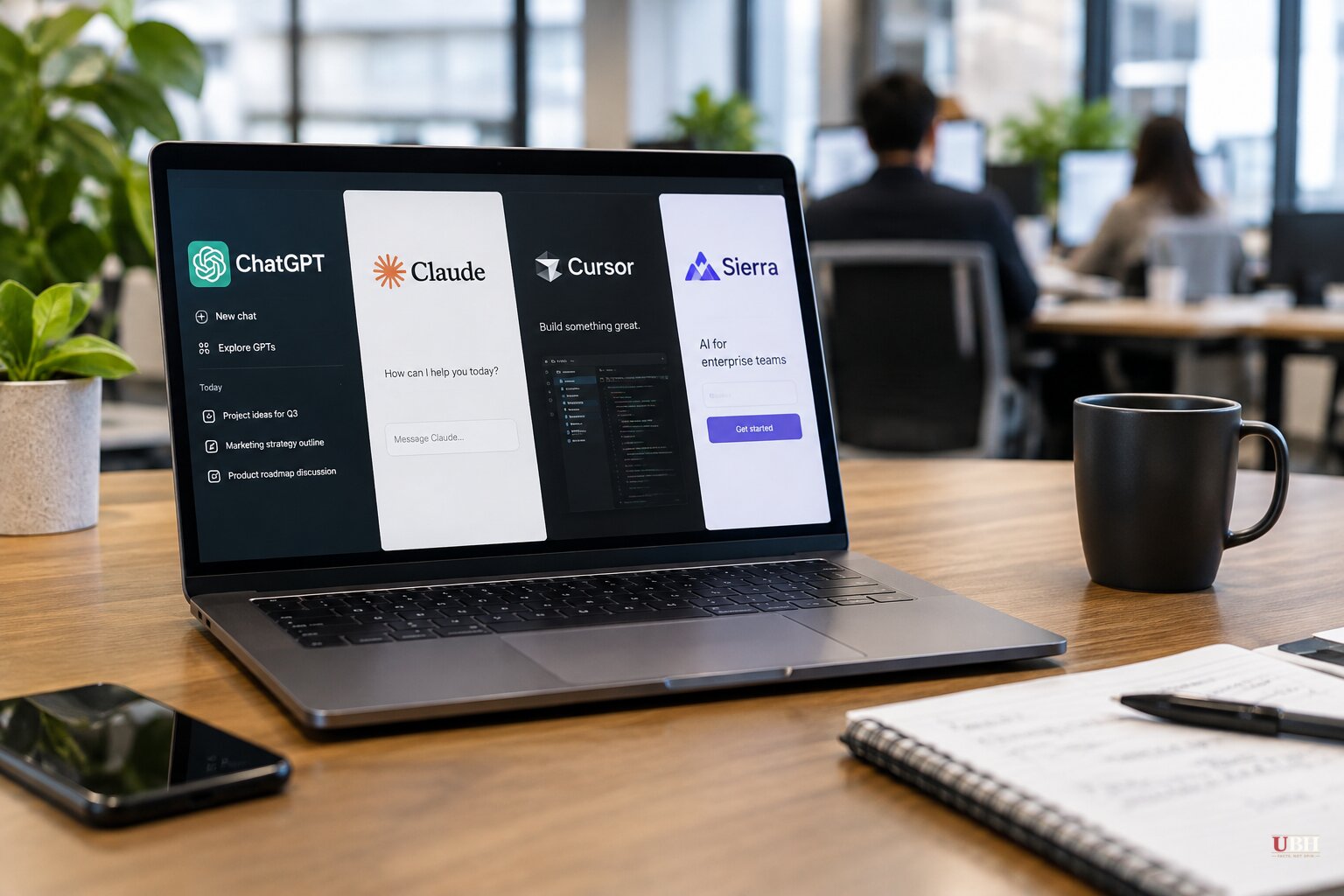
Since The Information first reported the shift in enterprise software spending patterns, the numbers have gotten a lot more concrete. Procurement software company Zip tracked what OpenAI, Anthropic, Cursor and Sierra took out of corporate software budgets between September 2025 and August 2026: 8 percent. A year earlier, over the same stretch, it was 1.4 percent, according to Zip's data as reported by The Information and picked up by Digital Today and GoKhashtein.
Total software budgets grew 13 percent over that period. So this isn't just companies swapping old tools for new ones dollar-for-dollar. It's new money chasing AI, on top of a bigger overall pie.
That matches what Gartner Distinguished VP Analyst John-David Lovelock told CIO.com. Worldwide AI spending is projected to jump 49.5 percent in 2026 to $2.7 trillion, and another 36.2 percent in 2027, Gartner forecasts. But Lovelock says there's been no wholesale diversion of money away from other IT categories to pay for it. "CIOs got some net new money for AI back in 2024, and a little in 2025," he said, "so there wasn't a diversion, and now more of their spending is about rebranding than diversion." His prediction: by 2030, "every dollar is going to be an AI dollar in one way or another."
Boston Consulting Group's IT Spending Pulse, based on a May 2026 survey, backs that up with harder numbers. IT leaders now expect overall spending to grow 5.8 percent in 2026 versus 2025, the strongest outlook BCG has recorded, up from the 3.6 percent they were projecting as of mid-2025. Sixty-six percent of respondents plan to increase AI and machine learning spending, up 21 percentage points from mid-2025. Cloud services (up 11 points) and security infrastructure (up 3 points) are the only other categories gaining ground. CRM and ERP spending, by contrast, turned negative again.
Incumbents are cutting prices and ripping up the old model
The established players aren't sitting still. Microsoft and Amazon are lowering upfront prices and moving away from fixed-seat licenses toward usage-based billing, according to The Information's reporting, cited by both Crypto Briefing and Digital Today.
Workday launched a program this summer giving roughly 20 major customers unlimited free use of its AI platform, Sana Enterprise, for a full year, letting them run AI agents on HR tasks like hiring and onboarding, as well as finance work, per The Information.
But the shift to usage-based pricing has created real sticker shock for some customers. Software firm Pegasystems saw its monthly spend on Microsoft's GitHub Copilot jump from $20,000 to $260,000 after Microsoft switched the tool to usage-based billing, The Information reported. Microsoft responded with a one-month grace period for some clients, and for one manufacturer, threw in free credits worth tens of thousands of dollars a month for three months. That manufacturer is reportedly still weighing whether to switch providers anyway.
Businesses signing up for AI tools with usage-based pricing can get hit with bills they didn't see coming, and the vendor holds most of the cards on what counts as "usage." G2's 2026 survey found buyers explicitly rejecting pricing models they "cannot predict, defend, or connect to business value." Finance departments have legitimate reason to be concerned about this uncertainty in budgeting.
The next model: paying only for results
The pricing fight is already moving past usage metering toward paying purely for outcomes. Salesforce closed its roughly $3.6 billion purchase of Fin, the AI agent formerly known as Intercom, which charges $0.99 every time it resolves a customer issue. Ten days after that deal closed, Salesforce rolled out per-resolution pricing for its own Help Agent, according to reporting cited by industry analyst Jared Franklin.
HubSpot made a similar move in April, cutting its Customer Agent price from $1 per conversation to 50 cents per resolved conversation. Its chief customer officer said the old model meant customers were "paying for potential rather than performance."
The data suggest buyers want it both ways: predictability and results. ICONIQ's survey of AI builders found outcome-based pricing adoption went from about 2 percent in mid-2025 to 23 percent by mid-2026. Orb's study of 80 AI-agent companies found 95 percent now run hybrid pricing models, and 71 percent still carry some subscription component underneath.
None of this is regulated or mandated by anyone in Washington. It's straight market competition: new entrants undercutting incumbents on price and value, incumbents fighting back with discounts and new billing models, and customers using leverage to demand contracts tied to actual performance instead of promises. CIOs are reportedly tightening vendor management as a result, insisting on usage evidence and contract portability before signing bigger AI commitments, according to Complete AI Training and GoKhashtein.
The open question is whether that discipline holds once the free trials and grace periods run out and the real usage-based bills start landing on finance desks in 2027.
Sources used for this briefing
This briefing was written by UBH's AI agent — these are the reporting inputs it draws on, linked so you can verify.


