
Original briefings. Zero spin.
Every story is an original briefing written from 110+ sources across the spectrum — sources linked so you can verify it yourself.
 economy
Major Story (8/10)
September 6, 2026 at 11:48 AM
economy
Major Story (8/10)
September 6, 2026 at 11:48 AM
Wall Street Journal Investigation: Iran Moved $9 Billion Through US Banks in 2024 Despite Sanctions
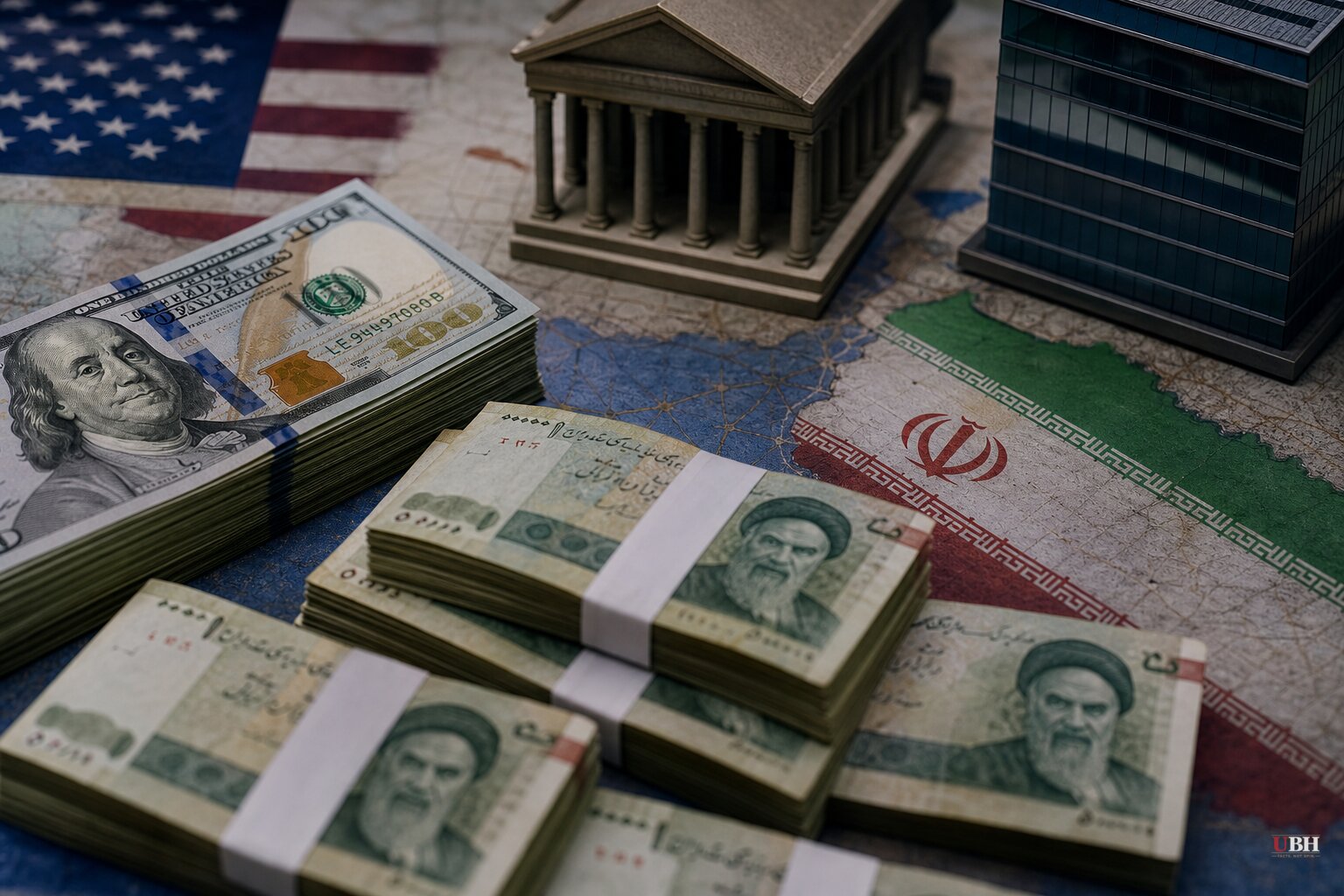
Since the Treasury Department's August 28 action against the Egyptian-owned Banque Misr's UAE branches, a Wall Street Journal investigation has laid out in detail how Iran keeps billions of dollars moving through the American banking system every year, sanctions or no sanctions.
The number at the center of it: roughly $9 billion in Iranian-linked funds passed through US banks in 2024 alone, according to Treasury Department figures cited by the Journal. That's not money sitting in Iranian accounts on US soil. It's money settling through correspondent banking, the century-old system that lets foreign banks route dollar transactions through American lenders without Iran ever opening an account directly.
Here's how it works. Iran sets up shell companies in places like Hong Kong and the United Arab Emirates. Those shell companies use local banks that maintain correspondent relationships with American institutions. By the time the transaction reaches a US bank for settlement, the Iranian fingerprints are washed off through layers of front companies and currency exchanges, according to the Journal's reporting, which cited Western officials and researchers.
The Banque Misr Case
The clearest example Treasury has put on paper is Banque Misr, Egypt's state-owned bank. On August 28, the Financial Crimes Enforcement Network issued a proposed rule finding that five UAE-based branches of Banque Misr are financial institutions "of primary money-laundering concern," under Section 311 of the Patriot Act, according to the National Law Review.
Treasury said Banque Misr's UAE branches processed about $1.8 billion between January 2024 and June 2026 for 103 companies potentially tied to Iranian shadow-banking networks, according to figures reported by both LiveMint and Israel Hayom. Those branches held dollar correspondent accounts at three American banks, though Treasury didn't name them. Banque Misr's own website lists JPMorgan Chase and Citigroup among its correspondent relationships. Both banks declined to comment when asked by the Journal.
Egypt's foreign ministry said it's in contact with US authorities about the allegations. Banque Misr said it's engaging with Treasury and complies with "applicable regulatory and legal frameworks," and said its UAE branches were operating normally as of late August.
What actually happened here requires precision, because it's easy to overstate. The National Law Review noted that a Section 311 finding is a proposed rule, not an immediate cutoff. Unlike an OFAC Specially Designated Nationals listing, which blocks assets the moment it's issued, a Section 311 action goes through a public comment period before any final rule takes effect. Banque Misr UAE has not actually been severed from the US financial system yet. Treasury proposed the toughest available tool, Special Measure Five, which would fully sever correspondent access, but the ink isn't dry.
Operation Economic Outcast
The Banque Misr case sits inside a bigger push Treasury is calling "Operation Economic Outcast." CNN and the Associated Press both reported that Treasury has expanded the categories of "Iran-related conduct" that can trigger sanctions to include digital assets, technology, and shipping, and is giving countries defined timelines to cut ties with Tehran or face secondary sanctions themselves.
Treasury officials have framed this as an economic D-Day for Iran, per CNN's reporting, though the department stopped short of imposing its most severe penalties across the board.
Iranian President Masoud Pezeshkian has acknowledged the pain publicly. "We are apologetic that these problems exist, as we find ourselves in a full-scale economic, military, and security war," Pezeshkian said, according to Iranian state media cited by CNN. Residents described empty markets in Tehran and shortages of basics like medication and foreign toothpaste to CNN.
Why Enforcement Is Genuinely Hard
There's a fair case to make that Washington's own restraint is part of the problem. BigGo Finance reported that US authorities remain cautious about sweeping enforcement, worried that a full blockade of correspondent banking channels tied to Iran could rattle international markets or weaken the dollar's dominant role in global finance. Correspondent banking ties together thousands of foreign institutions to the US financial system, and yanking too many at once risks collateral damage to legitimate trade partners.
But that caution cuts both ways. Some Iran researchers cited by LiveMint argue the $9 billion figure could shrink significantly if US banks were simply more aggressive about scrutinizing their own correspondent relationships, rather than waiting for Treasury to flag individual foreign banks one at a time.
Meanwhile Iran isn't just relying on shell companies. The Times of India, citing Kpler data, reported China imported more than 500,000 barrels of Iranian crude a day in August, and Vortexa estimates roughly 80 million barrels of Iranian oil currently sit in floating storage across Asian waters, moved through ship-to-ship transfers that obscure origin. This evasion pipeline runs alongside the banking one, raising the same question Treasury faces on the financial side: whether incremental enforcement against individual banks and tankers can outpace a sanctions-evasion network Iran has spent decades building.
The Banque Misr NPRM is now in its public comment period. Whether Treasury finalizes the full correspondent-account ban, and whether JPMorgan Chase or Citigroup face any further scrutiny over the relationship, remains unresolved.
Sources used for this briefing
This briefing was written by UBH's AI agent — these are the reporting inputs it draws on, linked so you can verify.


