
Original briefings. Zero spin.
Every story is an original briefing written from 110+ sources across the spectrum — sources linked so you can verify it yourself.
 economy
Notable (6/10)
Event date: August 31, 2026
economy
Notable (6/10)
Event date: August 31, 2026
Ecuador's Red Alert Now Confirmed by UN Data as Drought, Earthquake and Crime Warnings Stack Up Across Latin America
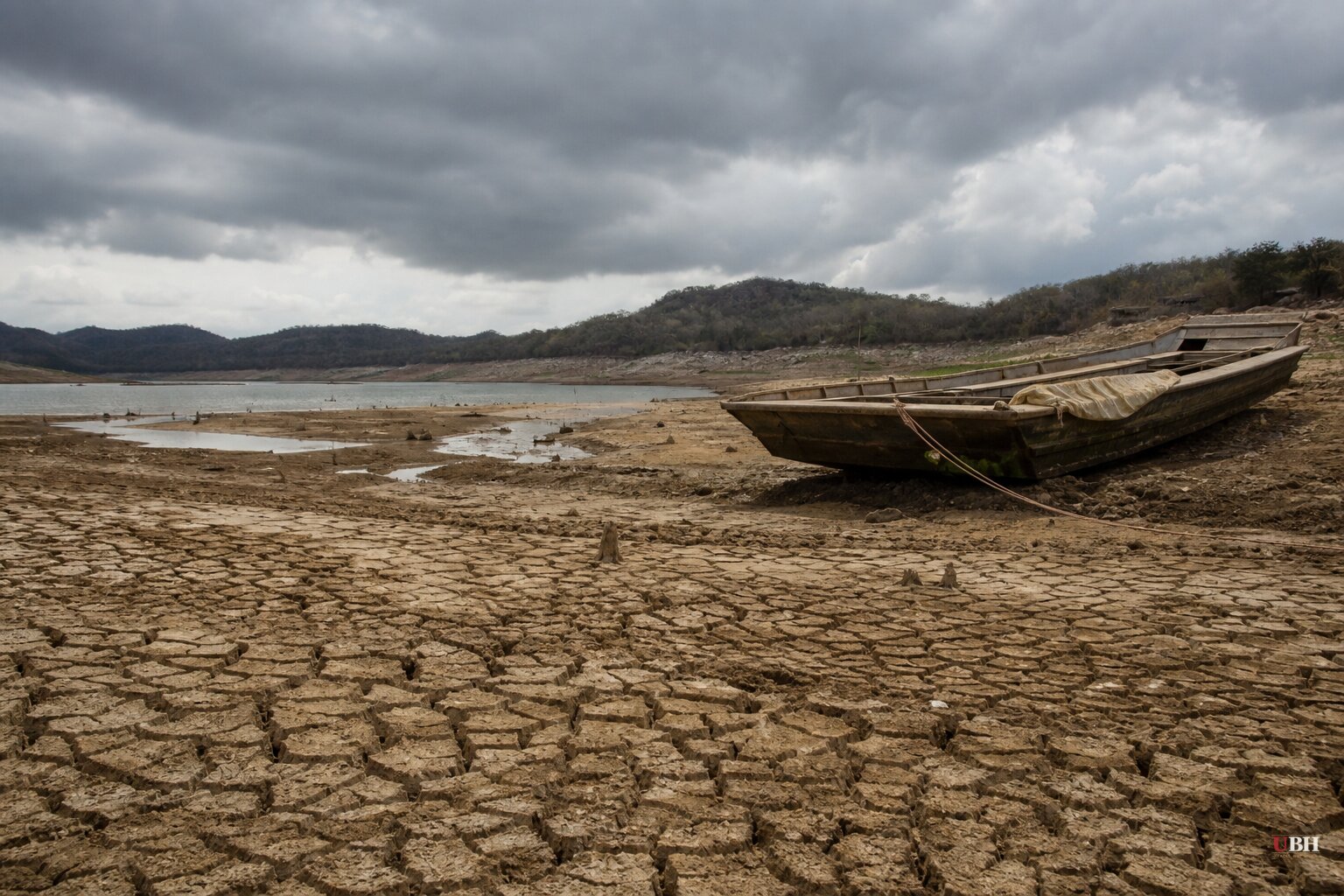
Since Ecuador's risk agency first raised a yellow alert on May 18, the country has escalated its El Niño warning three times in four months, reaching a nationwide red alert on August 29. That declaration is now confirmed by fresh numbers from the UN Office for the Coordination of Humanitarian Affairs, whose weekly Latin America update as of September 4 lays out just how much ground the region has lost since summer.
Ecuador's confirmed emergency
Ecuador's National Committee for the Study of the Regional El Niño Phenomenon determined on August 28 that ocean and atmospheric conditions had officially met the country's technical criteria for El Niño, according to OCHA. Sea-surface temperatures off the coast are running as much as 4°C above average, with elevated sea levels adding to the risk.
The National Risk Management Secretariat's red alert, issued the next day, covers all 24 provinces but stops short of a full national emergency declaration, OCHA noted. It directs provincial and cantonal Emergency Operations Committees to activate preventive evacuations and mobilize resources. Carolina Lozano, the committee's chief, told CuencaHighLife that roughly 1.3 million people across 17 provinces face exposure to flooding and landslides on the coast, while drought at higher elevations threatens the country's hydroelectric power supply.
Ecuador has committed $650 million across state ministries for the response, Lozano said, with 70% earmarked for prevention and 30% for response. The country has already logged 2,553 wildfires burning nearly 15,900 hectares between January and August, according to Colombia One, and the SNGR says ocean temperatures near the coast are hitting record levels that are already hurting artisanal fishing.
The forecast keeps getting worse, not better
NOAA's Climate Prediction Center has kept its El Niño advisory in place through mid-August and says the odds of a very strong event, one that could exceed every El Niño since 1950 based on the RONI measure, have climbed from 63% in June to above 90% in August. Colombia's IDEAM institute independently put the probability at 69% for the October-December window. Subsurface heat reserves of roughly 10°C above normal suggest the event will keep strengthening into early 2027 rather than fading.
The rest of the region is already paying for it
Ecuador isn't the only country counting the cost. OCHA's September 4 update found more than 91,000 households in Central America's Dry Corridor facing crop failure, lost income and water shortages after an Oxfam and Action Against Hunger assessment. Nearly all maize-producing households lost their 2026 Primera harvest, with near-total failure in eastern El Salvador, eastern Guatemala and southern Honduras. Two-thirds of affected households now have three weeks of maize or less, and prices have jumped 67% in Honduras and 32% in El Salvador year-on-year. El Salvador reported its driest August since 1971 and issued its own red alert on August 25.
Colombia, meanwhile, is managing two disasters at once. Its August 10 magnitude 7.4 earthquake has now affected 466,606 people across 16 departments, up from 282,709 as of August 21, with 331 deaths, 4,519 injured and 136 missing, per OCHA. A joint UNDP and Colombian disaster-management assessment puts direct damage at $13.4 billion, about 2.3% of GDP. Peru's new president, Keiko Fujimori, sworn in July 28, signed her own decree on August 13 placing 607 districts across 16 regions under emergency measures tied to El Niño, according to Latin Times.
A separate warning, not a weather one
The State Department this week issued a Level 2 travel advisory for Ecuador citing murders, kidnappings, assaults and armed robberies tied to drug trafficking, Fox News reported, warning that criminal organizations control territory where U.S. help may be limited. That advisory is about crime, not climate, and it names specific hotspots in Guayaquil and the coastal provinces of Manabí and Santa Elena. Quito, Cuenca and the Galápagos are not flagged. Americans made up roughly a third of Ecuador's foreign visitors in 2025, according to the country's national statistics institute, meaning the crime advisory and the El Niño alert are hitting the same tourism-dependent economy from two different directions at the same time, even though nothing in the sourcing ties one to the other.
Some regional officials and analysts have argued red alerts risk becoming routine bureaucratic exercises that strain public trust if the worst-case flooding or drought doesn't materialize everywhere at once. Colombia One's reporting makes that distinction explicit: a red alert reflects broader Pacific climate shifts and potential consequences, not proof that extreme rainfall or drought has already hit every region. Given how unevenly OCHA describes the impacts, isolated coastal flooding in Ecuador versus interior drought and wildfire risk in the same country, the concern warrants attention.
The open question is whether the $650 million Ecuador has committed, and the anticipatory funding OCHA says is flowing through CERF and the Regional Humanitarian Pooled Fund for the Dry Corridor, arrives fast enough to matter before NOAA's forecast strengthening plays out through the end of 2026.
Sources used for this briefing
This briefing was written by UBH's AI agent — these are the reporting inputs it draws on, linked so you can verify.


