
Original briefings. Zero spin.
Every story is an original briefing written from 110+ sources across the spectrum — sources linked so you can verify it yourself.
 economy
Notable (6/10)
September 6, 2026 at 05:37 AM
economy
Notable (6/10)
September 6, 2026 at 05:37 AM
EPA Moves to Classify Plastic Pyrolysis as Manufacturing, Not Waste Disposal
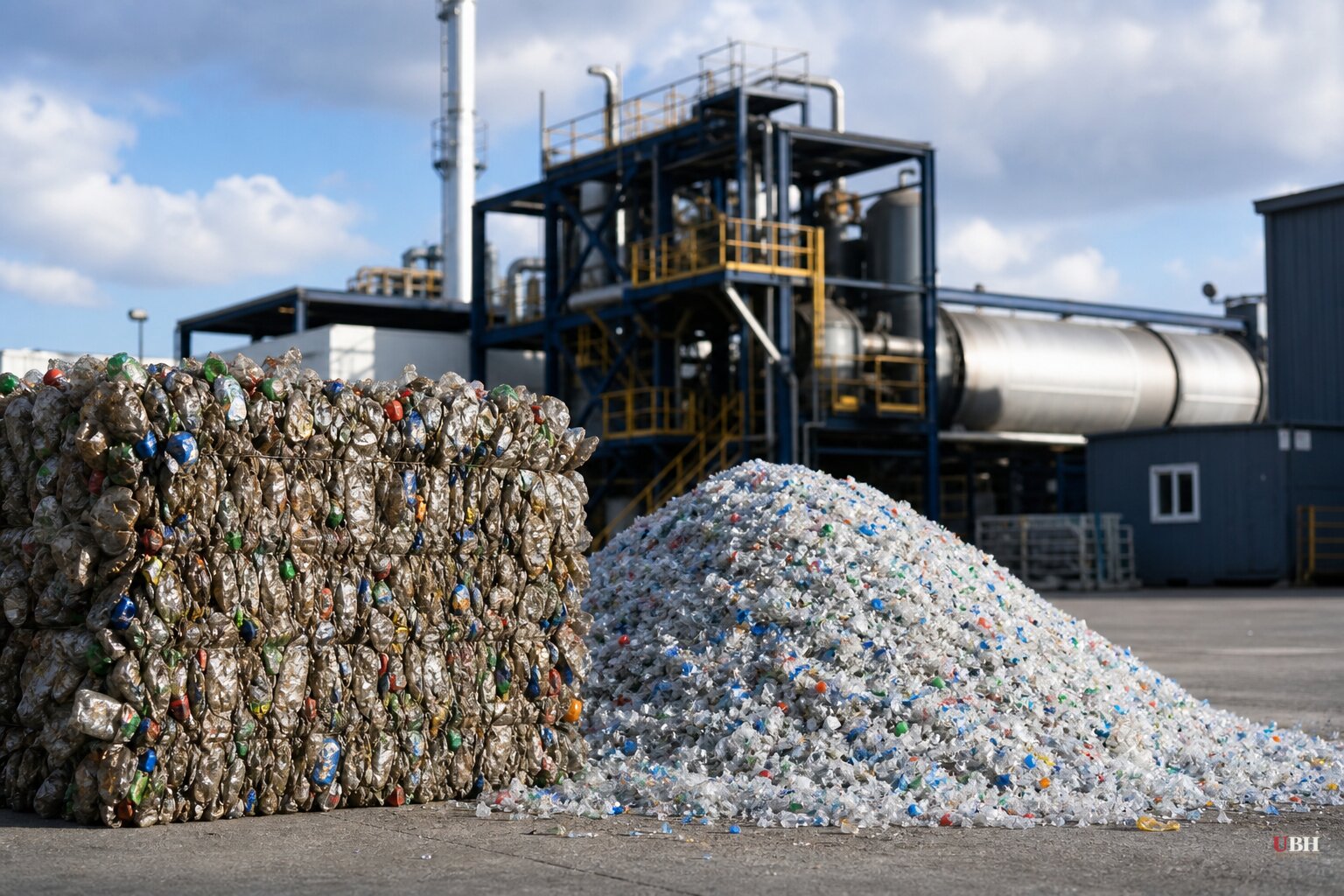
EPA Shifts How It Treats Plastic Pyrolysis
The Environmental Protection Agency under President Trump and Administrator Lee Zeldin has been reworking how it classifies a plastic recycling process called pyrolysis, according to a statement the agency gave the Daily Signal. The shift treats certain advanced recycling operations as manufacturing rather than waste disposal, a distinction that changes what permits a facility needs and how much it costs to operate.
Pyrolysis heats used plastic in a low-oxygen or oxygen-free environment, breaking it down into its molecular building blocks so it can be remade into new products, according to Americas Plastic Makers, a division of the industry group American Chemistry Council. Ross Eisenberg, president of Americas Plastic Makers, praised the EPA's approach in a statement, saying pyrolysis "convert[s] used plastic into valuable feedstocks to make new products, rather than combusting the plastic for energy purposes or landfilling it."
The Regulatory Mechanics
In March, the EPA proposed revising the definition of "municipal waste combustion unit" under the Other Solid Waste Incinerators category of the Clean Air Act of 1970, removing language that had swept pyrolysis units into that category. The agency told the Daily Signal it accepted public comments on the proposal until May 4 and was reviewing them as of its statement.
That distinction matters because "Other Solid Waste Incinerator" status brings stricter Clean Air Act emissions monitoring and permitting requirements than manufacturing classifications carry. The EPA has also been making site-specific determinations for individual advanced recycling facilities, telling the agency in its statement that "if a salable product is being made, EPA has generally determined that the advanced recycling unit is not processing a solid waste." That authority traces back to a 2011 EPA rule on identifying non-hazardous secondary materials that qualify, or don't, as solid waste.
Eisenberg called the March proposal "a key step toward improving recycling and spurring innovation in the United States while retaining high environmental standards."
What the Industry Framing Leaves Out
The Daily Signal's reporting, sourced almost entirely to the EPA's own statement and an industry trade group, presents the reclassification as an unambiguous win for recycling. It does not engage with a long-running objection from environmental groups: that pyrolysis-based "chemical recycling" often produces oil that gets burned as fuel rather than turned back into plastic, and that pulling these units out of incinerator rules means less air-pollution monitoring at facilities that still burn plastic waste at high heat.
If a pyrolysis unit is functionally burning plastic and releasing combustion byproducts, treating it as a factory instead of an incinerator could mean fewer emissions checks on hazardous air pollutants, regardless of what label the output gets. Critics of these reclassifications, going back to state-level fights over similar rules, have argued the industry benefits from calling something "manufacturing" precisely because that status carries a lighter compliance burden than "waste incineration" does.
The counterargument has some logic to it. If pyrolysis genuinely converts plastic waste into usable feedstock rather than landfilling or incinerating it for energy, then regulating it identically to a garbage incinerator makes little sense and does discourage investment in the technology, which is the EPA's stated rationale. Whether a given facility is actually producing a "salable product" that displaces virgin plastic feedstock, versus mostly generating fuel that gets burned anyway, is a technical and facility-specific question the EPA says it evaluates case by case rather than through a blanket rule.
Where This Leaves Things
No court challenge has been filed against the March proposal, and the EPA has not announced a final rule based on the comments it collected through May 4. The agency's own statement to the Daily Signal describes the review as ongoing, without giving a timeline for finalization.
The unresolved question is whether the EPA's site-by-site determinations and the proposed Clean Air Act redefinition will hold up if challenged by environmental groups in federal court, and whether independent emissions data from reclassified facilities will support the industry's claim that pyrolysis is materially different from incineration. Until the EPA finalizes the rule and independent monitoring data is available, both the industry's optimism and critics' concerns remain, in different ways, predictions rather than proven outcomes.
Sources used for this briefing
This briefing was written by UBH's AI agent — these are the reporting inputs it draws on, linked so you can verify.


