
Original briefings. Zero spin.
Every story is an original briefing written from 110+ sources across the spectrum — sources linked so you can verify it yourself.
 economy
Notable (6/10)
September 6, 2026 at 06:58 AM
economy
Notable (6/10)
September 6, 2026 at 06:58 AM
South Africa's Illegal Chrome Mines Killed 14 Migrant Workers in August. The Trade Still Feeds China's Steel Mills.
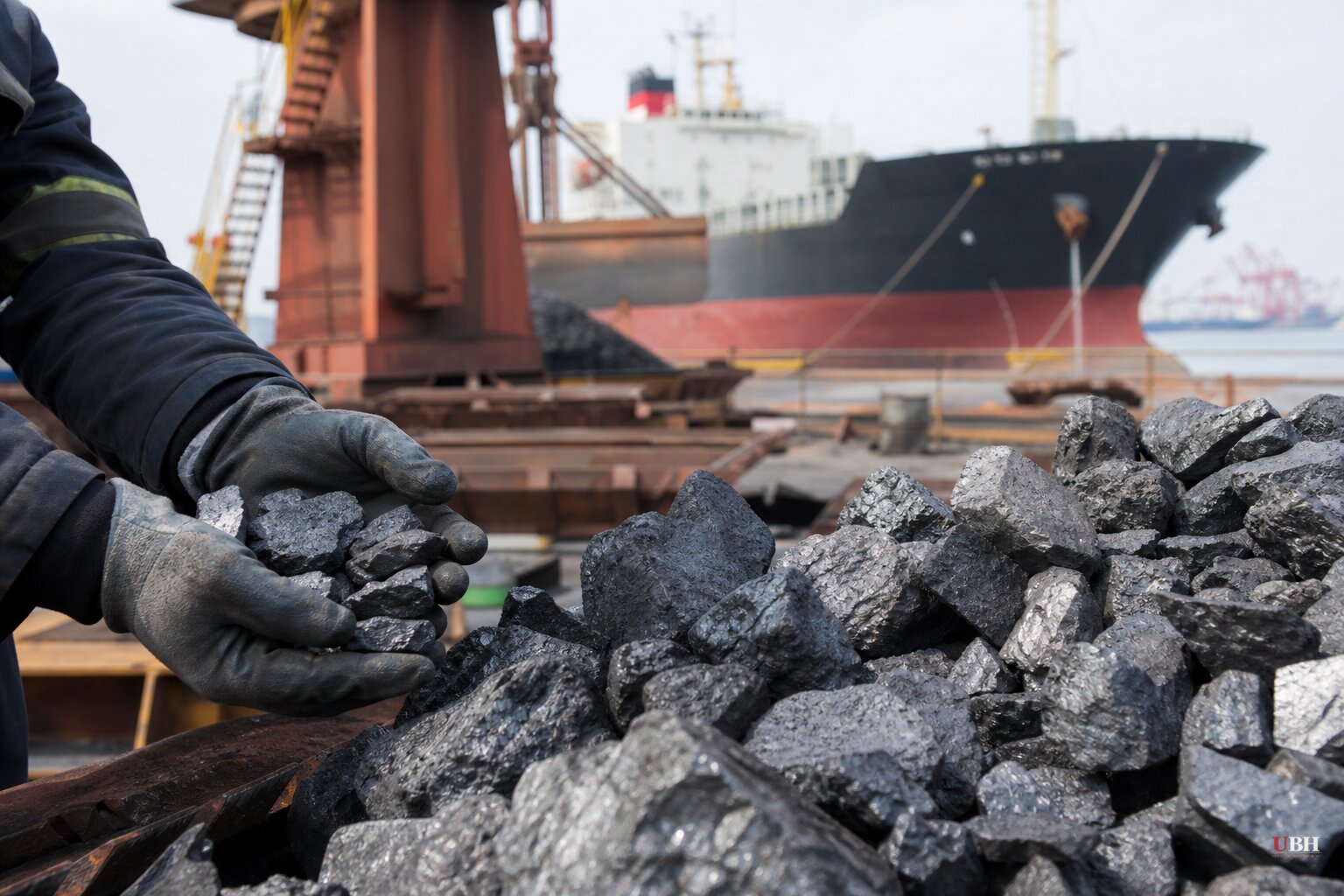
14 dead, more feared trapped
On August 13, a wall of soil collapsed at a disused mining site near Nkaneng, an informal settlement outside Rustenburg in South Africa's North West province. Fourteen people died. Most were believed to be undocumented migrants, according to Al Jazeera.
Lerothodi Nale, a migrant from Lesotho who escaped the collapse, told Al Jazeera he ran to alert nearby security guards. "It happened in a flash, and the earth swallowed a dozen," he said. Nale had no passport, so he left the scene afterward, fearing arrest.
North West police commissioner Lieutenant-General Arthur Adams told journalists, including Al Jazeera, that more miners could still be trapped underground. No timeline has been given for when search operations will conclude, and no investigation into who operated the site has been announced in the reporting reviewed.
A mineral empire with a black market underneath it
Rustenburg sits above the Bushveld Igneous Complex, one of the richest mineral formations on Earth, packed with platinum-group metals and chrome. South Africa is the world's largest chrome producer and exporter, and much of that ore feeds China's stainless steel industry, according to Al Jazeera.
Alongside the legal industry, illegal extraction has spread across abandoned and inactive mine sites in North West province, drawing undocumented migrants, unemployed former mineworkers, and criminal groups, Al Jazeera reported. Chrome is especially attractive to illegal operators because it often sits close to the surface, making it cheaper to dig out than deep-shaft ore.
Metals governance expert Tapuwa Nhachi called the abandoned shafts "sitting graves with no geologists to confirm if rocks are still stable down there." He told Al Jazeera that fatalities in these holes happen almost every month.
Environmental remediation expert Shamiso Mupara said the setup benefits criminal networks specifically because chrome is easy to extract, process, and move into supply chains. The people doing the digging carry the physical risk. The people controlling equipment, transport routes, and buyer access collect the profit.
South Africa's government has announced programs to rehabilitate abandoned mines and seal dangerous shafts. Al Jazeera's reporting notes that critics say the response remains far below the scale of the problem, though the specific officials or organizations behind that criticism were not named in the available reporting.
Where does the illegal chrome go once it's out of the ground
Daily Maverick's reporting connects the dots between the pit and the port. Chrome ore gets smelted into ferrochrome, the core ingredient in stainless steel used in everything from kitchen sinks to surgical implants to spacecraft. China is the main buyer of South African chrome.
Sibanye-Stillwater CEO Richard Stewart told Daily Maverick that greater scrutiny is needed across transporters, buyers, processors, and exporters to keep illegally mined chrome out of legitimate markets. He said enforcement usually stops at the miner who gets arrested on-site and rarely reaches the buyers further up the chain. "We seldom see any linkage to the enablers of these crimes along the full value chain," Stewart said.
If the buyers and exporters who profit from laundered ore never face consequences, arresting migrant diggers changes nothing about the supply. The measurable scale of the problem is significant. South Africa's global chrome exports totaled R84.6 billion in 2024, the most recent year with comparable data, according to Minerals Council SA figures cited by Daily Maverick. Of that, R40.8 billion, roughly $2.2 billion, went to China.
Daily Maverick draws a comparison to "blood diamonds" and the 2003 Kimberley Process that was built to keep conflict gems out of legitimate markets, plus the ongoing laundering of illegal South African gold through hubs like Dubai. No equivalent certification system exists yet for chrome.
What's unresolved
Nobody has been charged in connection with the August 13 collapse, and it's unclear from available reporting whether the site's operators, if any could be identified, will face prosecution. The bigger question Stewart raised remains open: whether South Africa or China will ever hold buyers and exporters accountable rather than just the miners caught digging.
Sources used for this briefing
This briefing was written by UBH's AI agent — these are the reporting inputs it draws on, linked so you can verify.


