
Original briefings. Zero spin.
Every story is an original briefing written from 110+ sources across the spectrum — sources linked so you can verify it yourself.
 economy
Major Story (7/10)
Event date: September 1, 2026
economy
Major Story (7/10)
Event date: September 1, 2026
Education Department Strips Loan Forgiveness Credits It Blames on Biden Coding Errors
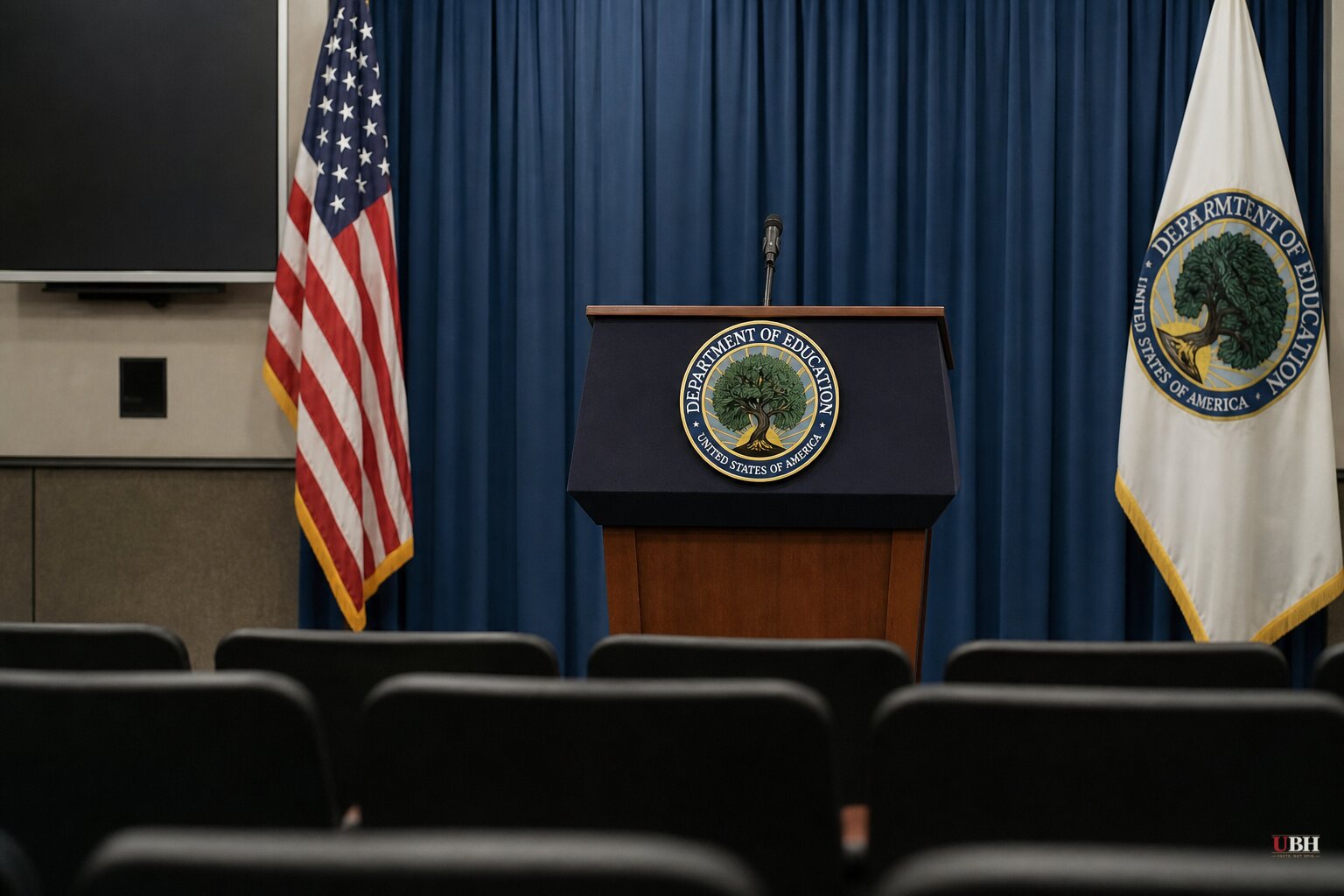
Christina Quinones spent nine years and 10 months chasing Public Service Loan Forgiveness. She works in a Texas school district and needed 120 qualifying payments to wipe out her remaining debt. This summer, her loan servicer sent a letter cutting her count from 118 to 98, according to Business Insider, which reviewed the letter. She now has to make roughly two more years of payments instead of two more months.
Jennifer Krabill, who spent more than a decade working for New Jersey and Maryland state government, had 90 qualifying payments toward PSLF. In August her servicer told her eight of those payments no longer counted. "My life has basically been hijacked for another eight months," Krabill told Business Insider.
Where the credits came from
The payments in question trace back to May 2024, when the Biden administration extended credit to borrowers whose payments had wrongly been excluded from PSLF or income-driven repayment counts, according to Politico. Many of those borrowers had been steered into forbearance, a payment pause that doesn't count toward forgiveness, instead of an affordable repayment plan. The Biden-era fix was meant to correct that and, in some cases, added up to 12 months of credit.
A former Federal Student Aid official who worked under Biden told Politico that the agency created new errors of its own while trying to fix the underlying data problems.
The Trump Education Department says it caught those errors while implementing repayment changes required by the One Big Beautiful Bill Act. Department spokesperson Ellen Keast told Politico that Federal Student Aid "identified multiple PSLF counter code errors stemming from changes implemented in May 2024 under the Biden Administration," adding that "these errors resulted in inaccurate payment counts for some borrowers" and that FSA has "resolved the issue and already notified the vast majority of affected borrowers."
Keast did not tell Politico, Business Insider, or Newsweek how many borrowers had payments removed.
Alex Beene, a financial literacy instructor at the University of Tennessee at Martin, told Newsweek the change is "not a new restriction on PSLF itself, but a correction of payment-counting errors dating to changes Federal Student Aid made in 2024." He noted that doesn't make it any easier on the teachers, nurses and government workers who thought they were closer to forgiveness.
A second, quieter change
The Student Debt Crisis Center, an advocacy group, said in a September 3 statement that the department also quietly updated guidance on the PSLF Buyback Program, which lets borrowers pay to make up months spent in forbearance or deferment that didn't count toward forgiveness. Under the new guidance, borrowers enrolled in the Repayment Assistance Plan or the Tiered Standard Repayment Plan can no longer use Buyback for those months, according to the group's founder, Natalia Abrams, who is calling on Secretary Linda McMahon to reverse it.
The Education Department has not publicly announced this change, and Abrams's group says it wasn't explained. That guidance shift matters because nearly 8 million borrowers are being pushed out of the Saving on a Valuable Education plan amid ongoing litigation, and many intended to buy back time spent in SAVE-related forbearance, per the Student Debt Crisis Center.
A separate legal fight, already decided once
The coding-error rollback is not the only PSLF fight in court. A March 2025 executive order directed the Education Secretary to bar loan forgiveness for people employed by organizations found to have a "substantial illegal purpose," and McMahon issued a final rule on that basis in October 2025. Federal district courts in Massachusetts and Washington, D.C. vacated that rule on June 30, 2026, ruling the Secretary lacked statutory authority to exclude employers within the categories Congress defined in the Higher Education Act, according to a Congressional Research Service report cited by Legis1. The administration appealed both rulings on August 27, and those appeals are pending. Until they're resolved, PSLF continues operating under its pre-2025 framework.
That legal fight is distinct from the payment-count corrections hitting Quinones and Krabill, but both feed the broader confusion borrowers describe navigating since Trump's repayment overhaul took effect July 1.
The bigger backdrop
Defaults have surged since the pandemic-era payment pause ended, according to Nonprofit Quarterly, which cited Debt Collective organizer Braxton Brewington calling for Congress to press the administration to pause payments again. Mike Pierce of Protect Borrowers told the outlet the default wave reflects borrowers who "simply can't afford" payments amid ongoing system errors, not people refusing to pay.
Correcting miscounted payments so forgiveness only goes to people who actually qualify is a legitimate government function, and taxpayers have a real interest in the program being accurate rather than inflated by coding mistakes. The problem is execution: the department has not disclosed how many borrowers lost credit, changed Buyback eligibility without public announcement, and left people like Quinones holding off on payments because her servicer couldn't explain her new count.
How many of the roughly 1.25 million borrowers who have used PSLF since it began, or the many more still working toward it, had payments clawed back? Will the department release that number before the appeals over the employer-conduct rule are decided?
Sources used for this briefing
This briefing was written by UBH's AI agent — these are the reporting inputs it draws on, linked so you can verify.


