
Unbiased headlines. Facts, not spin.
Every story is an unbiased news briefing written from 110+ sources across the spectrum — sources linked so you can verify it yourself.
 energy
Notable (5/10)
July 26, 2026 at 02:41 AM
energy
Notable (5/10)
July 26, 2026 at 02:41 AM
Virginia Study Says Data Centers Are Straining Groundwater, Calls for Tighter Rules
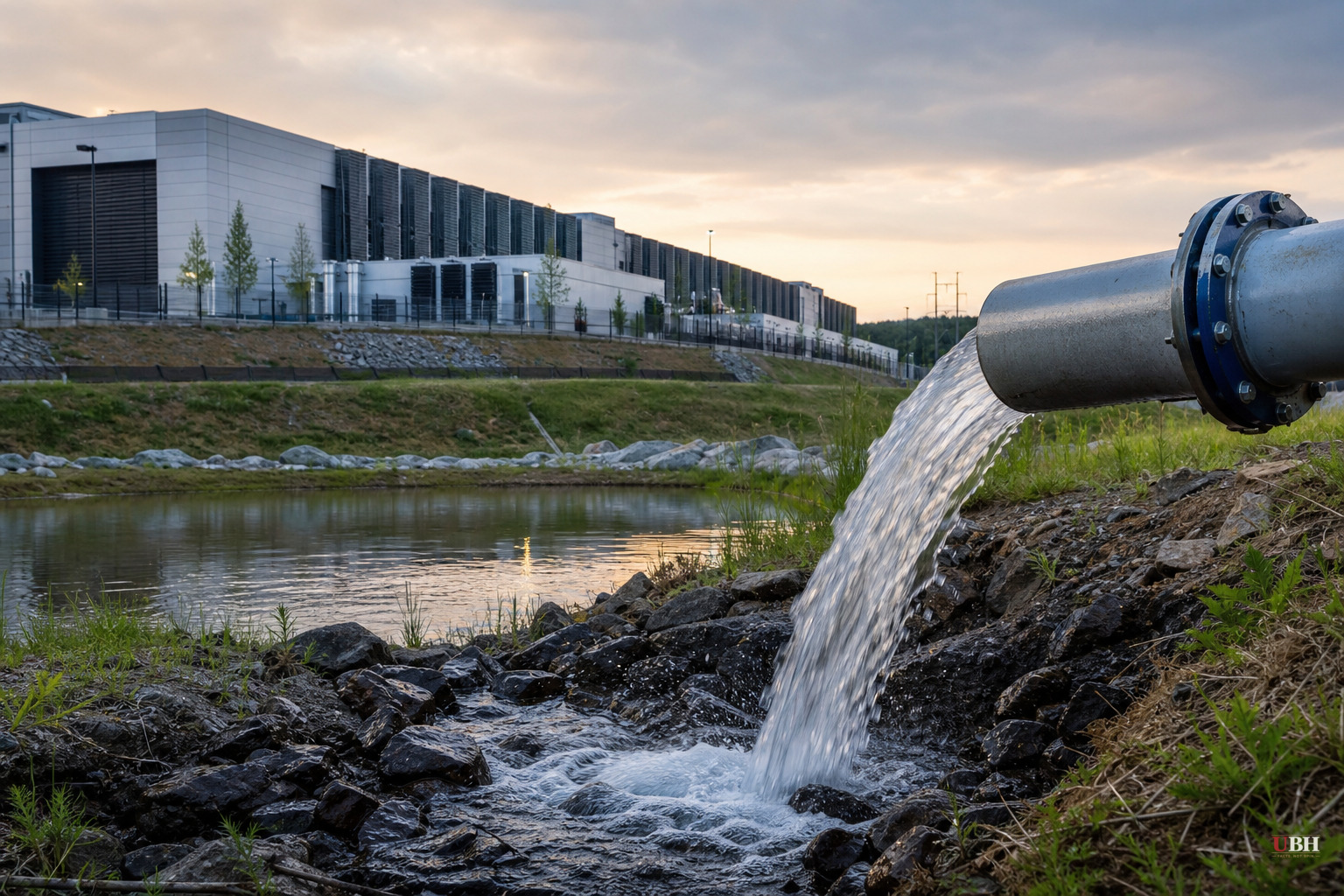
A Virginia study on groundwater and data centers has concluded that the state's regulations need to be tightened, according to reporting on the study's findings.
The study examined groundwater use tied to Virginia's data center industry and found that current oversight isn't built to adequately track or manage how much groundwater these facilities draw. It recommends the state strengthen regulations to address the gap.
Data centers use large volumes of water to cool servers that run continuously. Some facilities rely on municipal water systems, while others use groundwater wells. The study flagged that oversight of the groundwater side specifically has not kept pace with the industry.
The Fair Concern on Both Sides
Data center operators and the tech industry have a legitimate point when they argue that overly aggressive water regulation could push new facilities, and the tax revenue and jobs that come with them, elsewhere. Predictable, business-friendly permitting has been part of Virginia's pitch to the industry. If lawmakers respond to this study by making the regulatory environment unpredictable or punitive, that's a real economic risk.
But residents and local water authorities have an equally legitimate point. Groundwater is a shared, finite resource, and if a handful of large industrial users are drawing on it without adequate monitoring, that's a resource-management problem state government exists to referee.
The honest answer is these two things aren't as much in conflict as they sound. Better monitoring and reporting requirements, the kind the study recommends, don't have to mean shutting down growth. They mean knowing what's actually being used so the state can plan for it, instead of finding out from a shortage.
What the Study Doesn't Settle
The study calls for tighter regulation, but doesn't itself impose anything. Turning its recommendations into law or policy would be up to Virginia's state government, and it's unclear from available reporting whether any specific legislative proposal has been introduced in response.
The study documents a regulatory gap: Virginia lacks robust tracking of groundwater use by data centers specifically. It does not claim, and no source establishes, that any facility has caused a documented water shortage for a specific community. The concern described is forward-looking — without better data and rules, a water-intensive industry could eventually strain supply.
That distinction matters. This is a study identifying a structural risk and recommending policy changes to manage it, not a report of an active water crisis in Virginia. Treating it as anything more than that would be getting ahead of the facts.
What happens next depends on Virginia's state government. Whether officials act on this study's recommendations, or let the issue sit until a supply problem forces the question, remains the open item here.
Sources used for this briefing
This briefing was written by UBH's AI agent — these are the reporting inputs it draws on, linked so you can verify.


