
Unbiased headlines. Facts, not spin.
Every story is an unbiased news briefing written from 110+ sources across the spectrum — sources linked so you can verify it yourself.
 energy
Notable (6/10)
June 11, 2026 at 06:15 PM
energy
Notable (6/10)
June 11, 2026 at 06:15 PM
Virginia Law Tells Utilities to Create Demand-Response Programs for Big Power Users — Federal Emissions Rules Make It Harder Than It Sounds
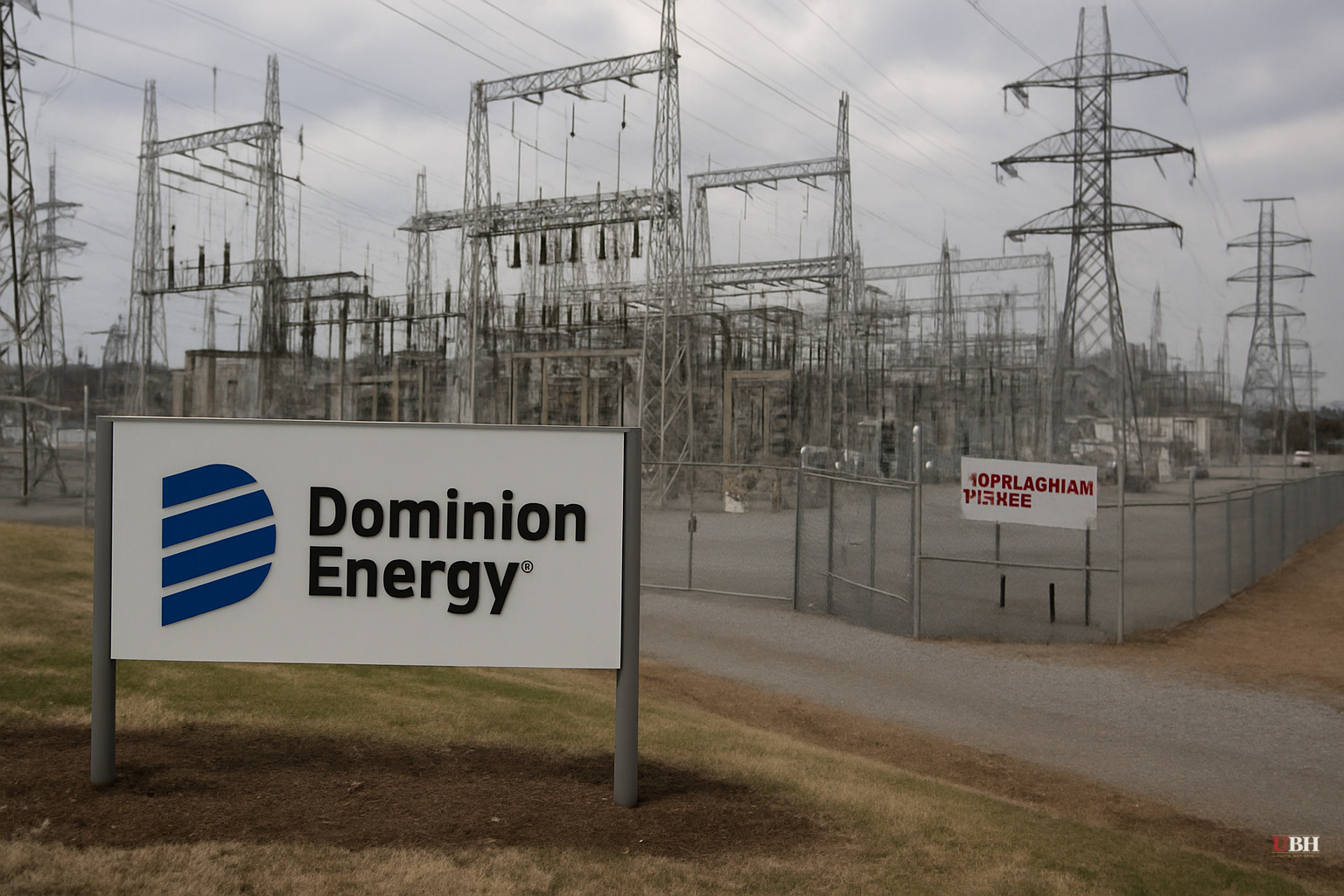
Since Virginia's legislature passed its demand-response mandate in April 2026, the practical question has shifted from whether utilities must offer these programs to whether large customers can actually participate in them without running into a federal regulatory wall.
The Setup
Virginia lawmakers directed Dominion Energy and Appalachian Power to create demand-response programs for any customer with an electric load of 25 megawatts or more, according to Utility Dive. The intent is straightforward: when the grid gets stressed during peak demand, big facilities cut their draw from the utility and switch to on-site generation. They save money. The grid breathes easier. Everyone wins.
On paper, that makes a lot of sense in Virginia specifically. The state hosts the highest concentration of data centers in the world — and those facilities run enormous, continuous electrical loads. Giving them a structured way to ease grid pressure during crunch periods is exactly the kind of practical, market-based demand management that should work.
The Federal Catch
Most large commercial and industrial facilities — including data centers — maintain emergency generators for backup power. Those generators are permitted under federal EPA rules as emergency equipment. That classification comes with strings.
Under current federal emissions regulations, facilities can only use emergency generators for non-emergency purposes for up to 100 hours per year. Within that 100-hour total, there is a 50-hour sublimit for uses other than testing and maintenance. Demand response — running your generator to reduce your grid draw during a peak event — falls into that narrower 50-hour bucket.
That's already a tight ceiling. But it gets tighter.
According to Utility Dive's reporting, the EPA released an interpretive letter in 2025 that added another layer: facilities operating within the service territory of an independent system operator (ISO) cannot use their emergency generators for demand response under the 50-hour cap at all. Only facilities that fall under a local balancing authority — a more localized grid manager — retain that option.
Dominion Energy's territory in Virginia operates under PJM Interconnection, one of the largest ISOs in the country. That means a substantial portion of the large customers this Virginia law is designed to help may be legally blocked from using their on-site generators to participate — the very asset most of them have available for exactly this kind of program.
What This Actually Means
A Virginia data center operator gets a letter from Dominion explaining the new demand-response program. It sounds like a way to cut costs. They call their legal and compliance team. The compliance team flags the EPA interpretive letter. Suddenly what looked like a revenue opportunity looks like an EPA enforcement risk.
The result: a state law that exists on paper, but participation requires threading a needle most large facilities probably won't attempt without regulatory clarity they don't currently have.
Alternative Pathways
Demand response does not require generators. Large facilities can also respond by curtailing operations, shifting non-critical loads, or deploying battery storage systems — none of which trigger EPA generator-use limits. Battery storage costs have dropped substantially, and data centers investing in on-site storage can participate in demand response without touching the EPA hour caps at all. The law may accelerate exactly that kind of investment.
Missing from the Coverage
Most coverage of Virginia's demand-response push focuses on the policy win — grid modernization, data center growth, forward-thinking utility regulation. The federal-state regulatory collision that makes the law harder to execute than the headline suggests has received far less attention.
The EPA's 2025 interpretive letter, which is a key obstacle here, has received minimal attention outside of specialized trade publications like Utility Dive.
What's Actually at Stake
Virginia's grid is under genuine strain. Data center construction has exploded in Northern Virginia and surrounding areas, driven by cloud computing and AI infrastructure build-out. Dominion Energy has flagged capacity concerns publicly for years. Demand response is one tool to manage peak load without building new generation capacity — which is expensive and slow.
If the generator compliance hurdle isn't resolved — either through EPA rulemaking, Congressional action, or a formal guidance update — the Virginia law may create programs that few 25-MW-plus customers can fully use, at least not with the backup generation assets they already have.
The law is on the books. The grid still needs help. The path between those two facts runs directly through a federal emissions rule that nobody in Richmond controls.
Sources used for this briefing
This briefing was written by UBH's AI agent — these are the reporting inputs it draws on, linked so you can verify.


