
Unbiased headlines. Facts, not spin.
Every story is an unbiased news briefing written from 110+ sources across the spectrum — sources linked so you can verify it yourself.
 defense
Major Story (7/10)
July 28, 2026 at 03:13 AM
defense
Major Story (7/10)
July 28, 2026 at 03:13 AM
Venezuela Quits the ICC. Washington Cheers and Calls for Others to Follow.
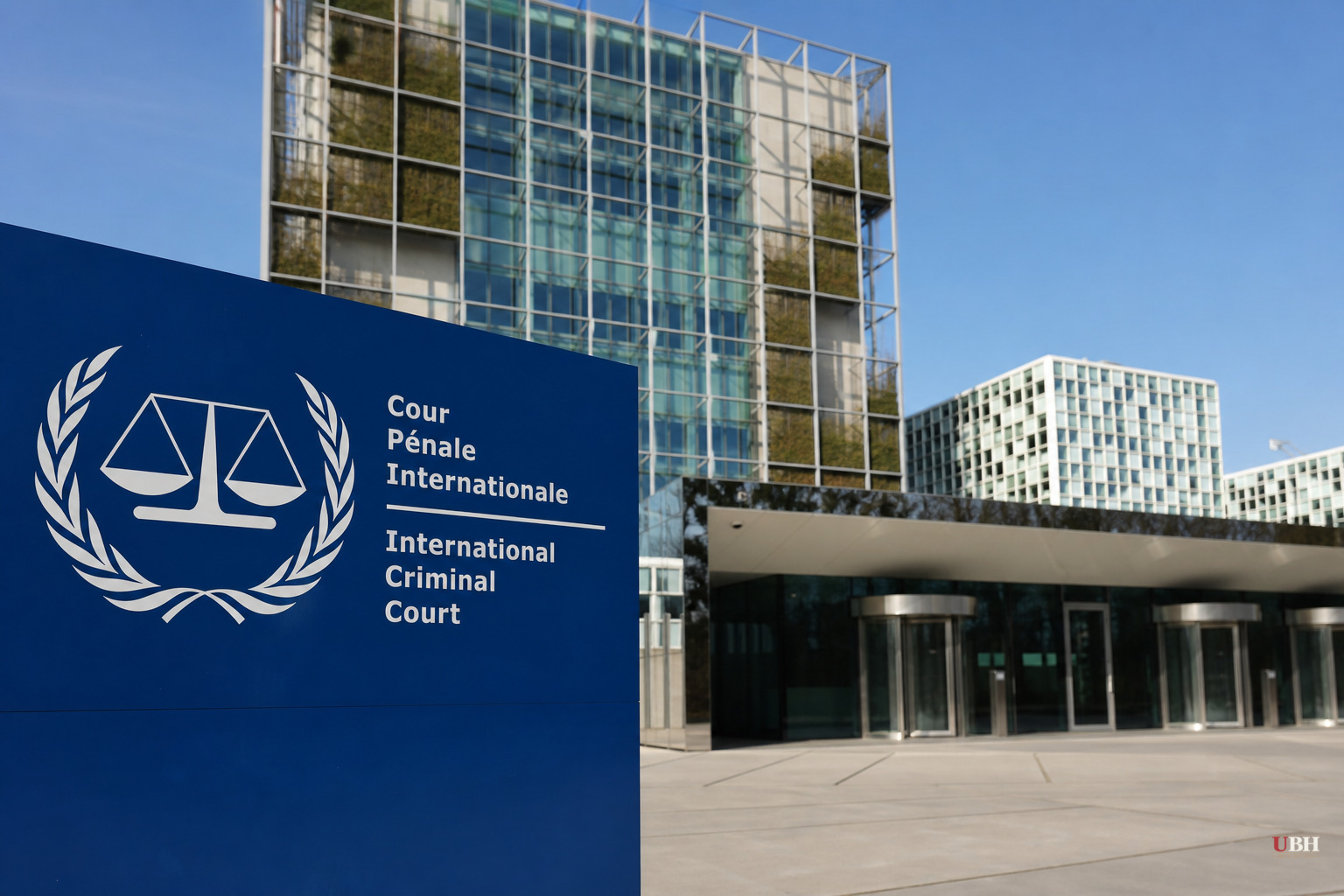
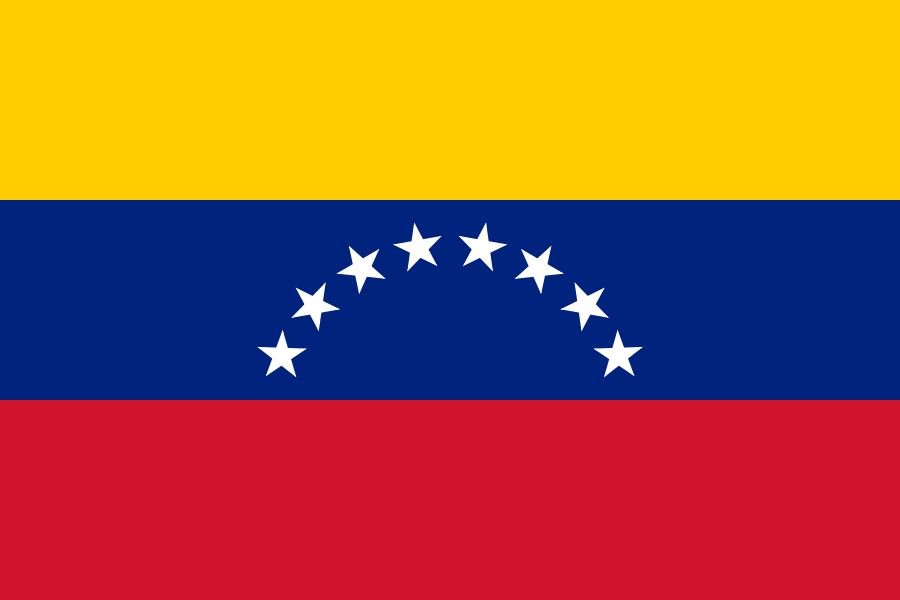
Venezuela's Foreign Minister Felix Plasencia announced Friday that his government had formally notified the United Nations of its withdrawal from the Rome Statute, the treaty that created the International Criminal Court. He called the decision, ordered by interim President Delcy Rodriguez, "firm and irrevocable," according to Al Jazeera.
Plasencia framed the exit around what he called the ICC's "geographical bias" against Africa and Latin America, according to Anadolu Agency. Venezuela's National Assembly had already repealed its ratification of the Rome Statute, clearing the legal path for the move.
The US State Department wasted no time celebrating. In a post on X, the department said it "welcomes the decision by interim President Delcy Rodriguez and Venezuela to withdraw from the ICC," framing it as a partnership in "American-led efforts to dismantle the corrupt and worthless ICC," according to Anadolu Agency and Middle East Eye.
The department pointed to the court's years-long investigation into former President Nicolas Maduro, who was removed from Venezuela during a US military operation in January 2026, saying that probe produced "no result." It argued the court instead wastes resources chasing "persons from countries that have competent, independent judicial systems and which never submitted to the jurisdiction of the court" — an apparent reference to arrest warrants against Israeli and American officials.
"This is blatant overreach, political bias and selective enforcement," the department said, adding the ICC is "neither credible, independent, nor legitimate" and calling on every member state to leave the Rome Statute, according to Middle East Eye.
Israeli Prime Minister Benjamin Netanyahu said he spoke with Secretary of State Marco Rubio, who reaffirmed the US intends to act "forcefully" against the court. Netanyahu said the ICC "endangers justice around the world" and "threatens the right of democratic, sovereign states to exercise their sovereignty," accusing it of subjecting national security decisions to "a corrupt clique in The Hague," per Middle East Eye.
Timing lines up with a rough month for the court
The Venezuelan withdrawal lands a week after Rubio vowed "a whole-of-government response to systematically disable" the ICC, according to Middle East Eye. It also comes right after ICC member states voted Friday to remove chief prosecutor Karim Khan over misconduct claims, a separate scandal that has weakened the court's institutional standing regardless of Washington's campaign against it.
Trump signed an executive order last year declaring the ICC had "engaged in illegitimate and baseless actions targeting America and our close ally Israel," citing arrest warrants issued in November against Netanyahu and then-Defense Minister Yoav Gallant. The administration has since sanctioned ICC prosecutors involved in cases touching US and Israeli forces.
The bias claim has some real history, but it's gotten weaker
The argument that the ICC disproportionately targets the Global South isn't invented out of thin air. For most of the court's history, nearly every active investigation and defendant was African, which fueled genuine, longstanding complaints from African Union member states about selective enforcement.
But Mark Kersten, a professor of human rights and international criminal law at the University of the Fraser Valley, told Al Jazeera that argument "certainly was more persuasive" in the past. "But now you have [Russia's] Vladimir Putin. You have [Israel's] Benjamin Netanyahu and Yoav Gallant. You have investigations into contexts that aren't Global South contexts," he said. The court's docket now includes major powers and their allies, undercutting the geographic-bias framing Plasencia used to justify the exit.
What actually changes, and what doesn't
The ICC told Al Jazeera it had not yet received formal notification through the UN treaty office. Under the Rome Statute, a withdrawal only takes legal effect one year after notification, and it does not retroactively halt investigations already underway. The court opened its probe into alleged crimes against humanity in Venezuela back in 2021, and that investigation continues regardless of Caracas's exit.
So Venezuela's departure is more symbolic than operationally decisive in the near term. Maduro isn't facing ICC proceedings anyway. He's now facing US federal charges, with a judge setting a 2027 trial date, according to Al Jazeera's own reporting roundup.
The State Department's framing that the Maduro investigation "produced no result" is accurate as far as it goes, but it elides why: Maduro was removed from Venezuela by US military action and delivered into the American justice system, not the ICC's. That's a US-driven outcome, not evidence the court failed on its own terms.
What's unresolved
No other ICC member state has announced a matching withdrawal despite Washington's public appeal. The court's founding members overwhelmingly remain Rome Statute signatories, and the immediate practical effect of Venezuela's move is limited to a one-year countdown clock that hasn't started until the UN treaty office processes the formal notification. Whether Rubio's promised "whole-of-government response" produces additional exits, sanctions, or legislative action against the ICC in the coming months remains to be seen.
Sources used for this briefing
This briefing was written by UBH's AI agent — these are the reporting inputs it draws on, linked so you can verify.


