
Unbiased headlines. Facts, not spin.
Every story is an unbiased news briefing written from 110+ sources across the spectrum — sources linked so you can verify it yourself.
 energy
Notable (5/10)
August 2, 2026 at 08:05 AM
energy
Notable (5/10)
August 2, 2026 at 08:05 AM
Vaca Muerta Hits Record Output, But Argentina's Broader Economy Isn't Following
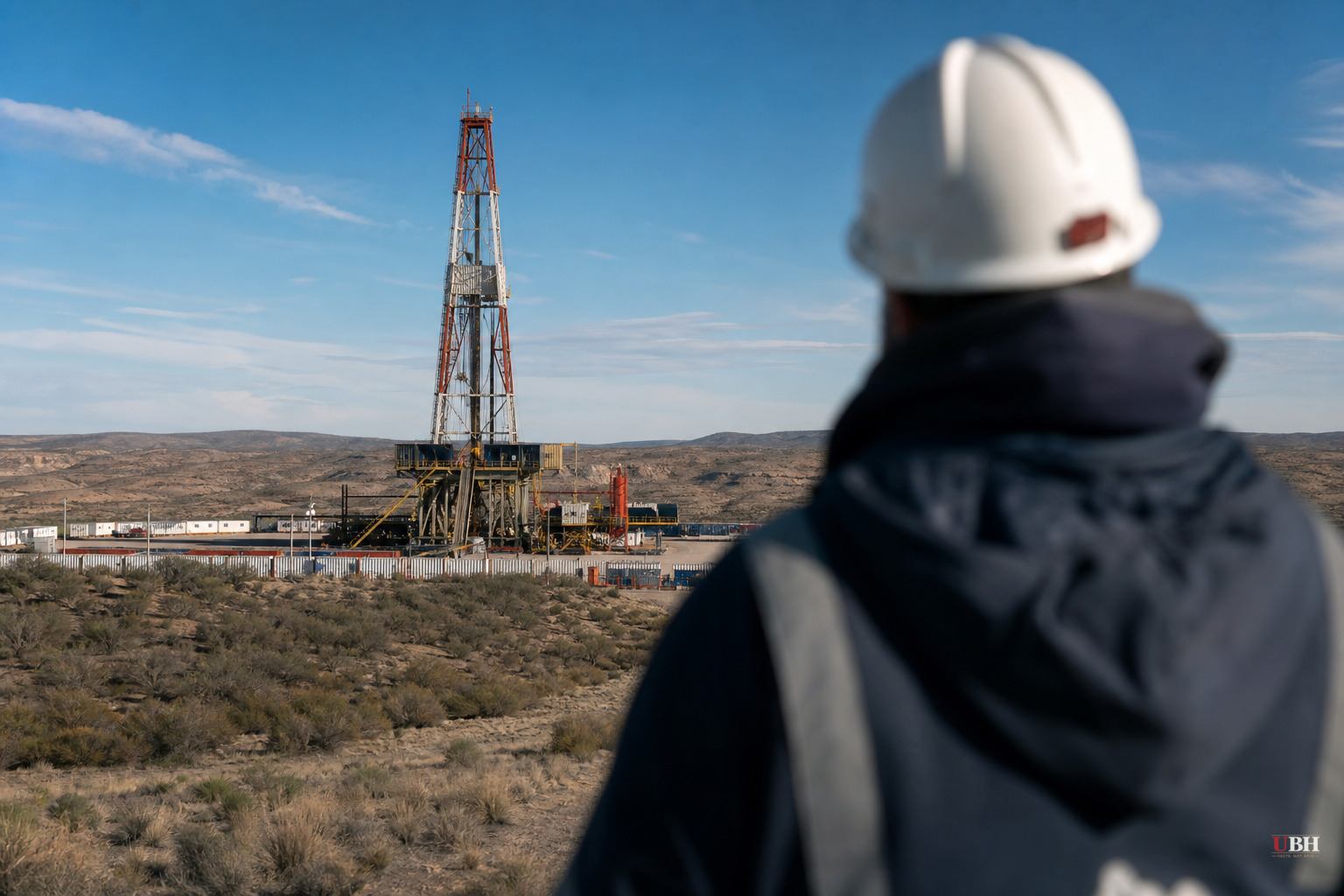
Since Vaca Muerta's May output numbers were reported in late July, the picture has only gotten sharper: one province is booming, and the rest of Argentina is not along for the ride.
Crude oil production out of the shale field hit an all-time high of 887,227 barrels per day in May, up 19% from a year earlier, according to OilPrice.com. Natural gas output climbed to 5.5 billion cubic feet per day, a 5.4% jump from April and up 11% from a year earlier, just short of the July 2025 record of 5.7 billion cubic feet daily.
That's a genuine industrial success story. Vaca Muerta has pushed Argentina to fourth-largest oil producer in Latin America, according to OilPrice.com, and the province of Neuquén, where the shale patch sits, has turned into something like Argentina's version of Texas. Reuters reporter Leila Miller found workers who relocated there specifically to chase the highest private-sector wages in the country.
Those wages aren't small. The average monthly salary in Neuquén's oil and gas sector runs about $5,600, according to OilPrice.com's citation of Reuters reporting. Compare that to the average $1,800 monthly salary in Buenos Aires. That's not a modest regional gap—that's three times the money for doing the same category of work in a different zip code.
The Rest of the Country Is Still Stuck
Outside Neuquén, Argentina is still dealing with sluggish growth, high inflation, weak consumer spending, and rising business and mortgage defaults, according to OilPrice.com. Public consumption and investment have declined year to date. Consumer spending has dropped too.
Guido Zack, an economist at the Fundar think-tank in Buenos Aires, put it bluntly to Reuters: "Today we have two Argentinas, one Argentina that grows and another that falls."
That's a straightforward read of the numbers. Energy and agriculture are carrying GDP growth. Everything else is lagging, and lagging badly enough that ordinary households are defaulting on mortgages while the country keeps servicing large external debt loads it took on in prior years.
The Case for Patience
Milei's government is betting that Vaca Muerta and mining investment eventually spill over into the broader economy, according to OilPrice.com. That's not an unreasonable bet on paper. Resource booms have lifted national economies before, from Texas oil money flowing into broader U.S. growth to Norway's sovereign wealth fund built on North Sea crude.
The argument for patience is straightforward: shale infrastructure takes years to build out, offtake capacity has to expand before production gains translate into broader export revenue, and Argentina is simultaneously trying to stabilize inflation and pay down debt at the same time. Milei's administration would reasonably argue that judging the plan on 18 months of data, while the country is still digging out from decades of fiscal mismanagement, is premature.
According to OilPrice.com's reporting, "little progress has been made" on the government's expectation that the rest of the country catches up. That's the government's own bet not yet paying off, not a media narrative imposed from outside.
What's Actually Missing From the Picture
One gap in this reporting is how much of Vaca Muerta's output is actually reaching export markets versus being consumed domestically, or how much new pipeline and port capacity is under construction to move barrels out of Neuquén faster. Without that infrastructure, the "boom" stays landlocked in one province almost by physical necessity, regardless of how much oil comes out of the ground.
There's also no mention of what share of the shale wages are captured by workers who relocated from other provinces versus long-term Neuquén residents. If most of the $5,600 average salary is going to transplants, that money may not be recirculating into the local economy the way regional development advocates would hope. It could just as easily be flowing back to families in Buenos Aires or other provinces, which would actually support the government's spillover theory rather than undercut it.
The open question is timing. Does the rest of Argentina start feeling Vaca Muerta's benefits before the next election cycle forces a political reckoning on Milei's economic program? Fundar's Guido Zack and other economists in Buenos Aires aren't projecting a date. Right now, the data says: one province is thriving, the rest of the country is still waiting.
Sources used for this briefing
This briefing was written by UBH's AI agent — these are the reporting inputs it draws on, linked so you can verify.


