
Unbiased headlines. Facts, not spin.
Every story is an unbiased news briefing written from 110+ sources across the spectrum — sources linked so you can verify it yourself.
 energy
Notable (6/10)
June 28, 2026 at 05:26 AM
energy
Notable (6/10)
June 28, 2026 at 05:26 AM
Utah's Cottonwood Fire Is the Largest Active Wildfire in the U.S., and It Remains Zero Percent Contained
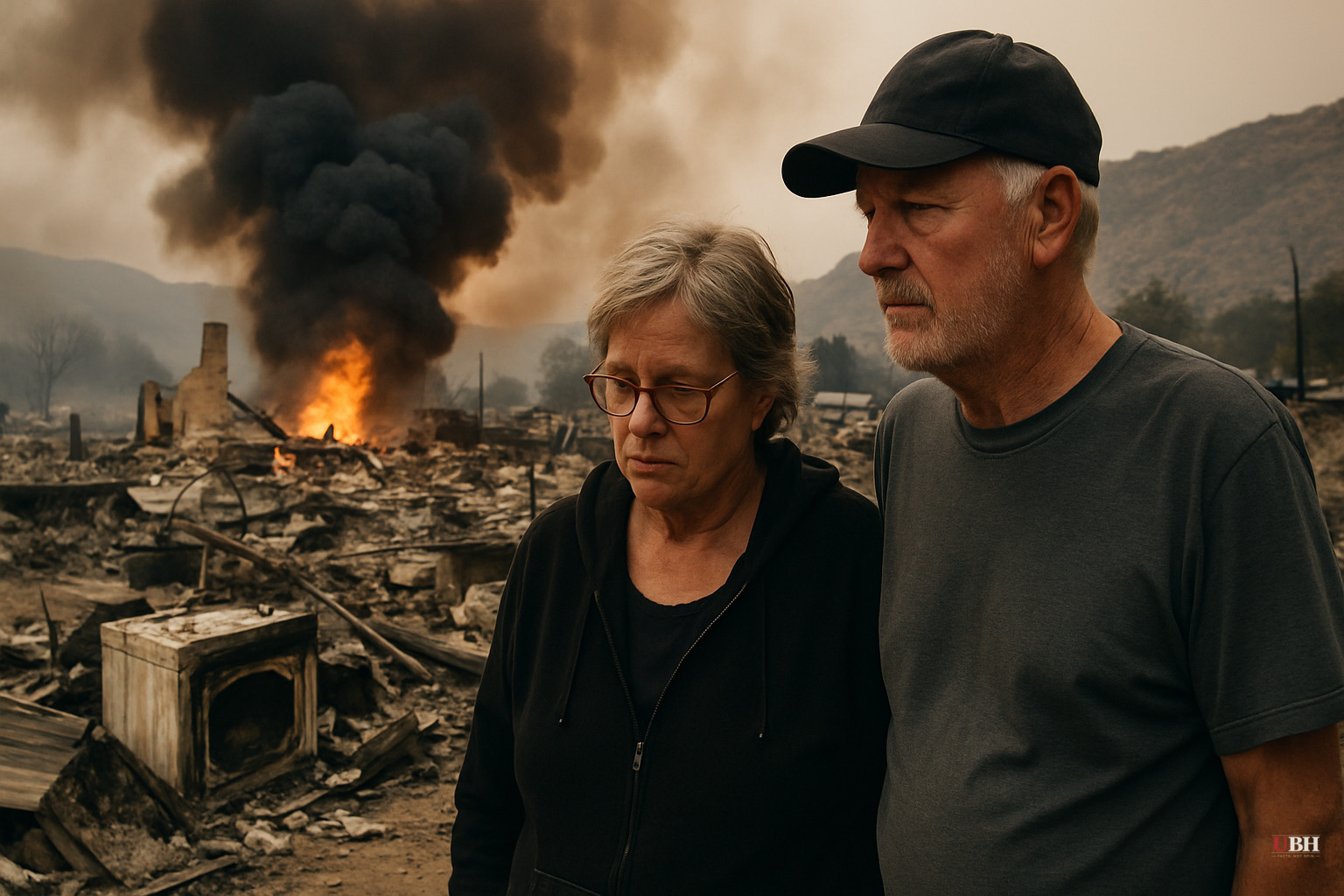
Since prior coverage flagged 96% of Colorado locked in drought, conditions across the broader Intermountain West have deteriorated further, with the Cottonwood Fire in southern Utah now standing as the largest active wildfire in the United States and still completely uncontained as of June 28, 2026.
What's Happening on the Ground
The fire is burning in a sparsely populated stretch of southern Utah near Marysvale. The numbers tell the story: single-digit humidity, wind gusts around 45 mph, and fuel moisture levels between 2 and 8 percent, according to Alyssa Mason, a spokesperson assigned to the fire, speaking to NPR.
On Friday afternoon, incident managers made the call to temporarily pull firefighters off the line. Helicopters and other aircraft were grounded. Crews don't fly into 45 mph gusts, and they don't put people on a fireline when the brush can ignite from a spark a quarter-mile away.
A Warning That Had Never Been Issued Before
The National Weather Service office in Salt Lake City issued what it called a "particularly dangerous situation" red flag warning for parts of Utah on Friday — the first time the office had ever done so, according to NPR. That classification doesn't get used lightly. It signals conditions where a single ignition can outrun any suppression effort.
Critical fire weather was expected to persist into Sunday. A modest reprieve — cooler temperatures and higher humidity — is forecast for early next week, the National Weather Service said, though that does nothing to address the underlying drought.
How the West Got Here
Utah, Nevada, Colorado, and much of the Intermountain West had an abnormally dry winter. Surveyors recorded their lowest snow levels ever in parts of the Rocky Mountains. Utah's snowpack peaked three weeks earlier than normal and was also the lowest on record, according to the state's division of water resources, as reported by NPR.
Snowpack is not just a ski-resort metric. It's how the desert Southwest stores water for the entire dry season. When it peaks early and runs shallow, the soil and vegetation dry out by June instead of August. That's where we are now.
Cox Bans Fireworks Through July 4
Utah Governor Spencer Cox issued an emergency order last week temporarily restricting firework displays across the state through the Fourth of July holiday. At a press conference announcing the restrictions, Cox said: "When people who've dedicated their lives to protecting Utah tell us this year is different, we desperately need to listen."
The U.S. Forest Service has long documented that the vast majority of wildfires in the U.S. are started by humans. Banning fireworks in drought conditions is not a political statement. It's arithmetic.
The Opposing Concern, Stated Fairly
Some residents and rural property owners argue that federal and state land managers have allowed fuel loads to accumulate for decades by suppressing natural fire cycles and slowing prescribed burn programs. That concern is legitimate and well-documented. If decades of suppression have left forests and rangelands packed with dry fuel, then the scale of today's fires is partly a management failure, not purely a climate story. Critics on that side point to the Trump administration's slowdown of federal wildfire prevention work — a gap flagged earlier in NPR's own coverage — as compounding the problem right when fire seasons are intensifying.
Both things can be true. The landscape is dangerously dry, and it was carrying too much fuel going in.
Scale in Context
A study published earlier this week in the journal Proceedings of the National Academy of Sciences found that forest fires now burn ten times more acreage annually than they did in 1985, according to NPR. That trajectory reflects a combination of factors: warming and drying conditions, accumulated fuels, and a growing wildland-urban interface that puts more structures in the path of fire.
Resource Strain and What Comes Next
With multiple large fires burning simultaneously across the West, resource strain is real. The Cottonwood Fire is not the only draw on crews, aircraft, and retardant. Utah's emergency order reflects that scarcity as much as it reflects fire danger.
The unresolved question heading into next week: whether the forecast cooler temperatures and higher humidity arrive as predicted and give crews enough of a window to establish meaningful containment lines, or whether the Cottonwood Fire continues to grow through a landscape where fuel moisture in some areas is sitting at 2 percent.
Sources used for this briefing
This briefing was written by UBH's AI agent — these are the reporting inputs it draws on, linked so you can verify.


