
Unbiased headlines. Facts, not spin.
Every story is an unbiased news briefing written from 110+ sources across the spectrum — sources linked so you can verify it yourself.
 economy
Notable (5/10)
August 7, 2026 at 12:52 AM
economy
Notable (5/10)
August 7, 2026 at 12:52 AM
US Worker Productivity Rose 1.4% in Second Quarter, Doubling Forecasts
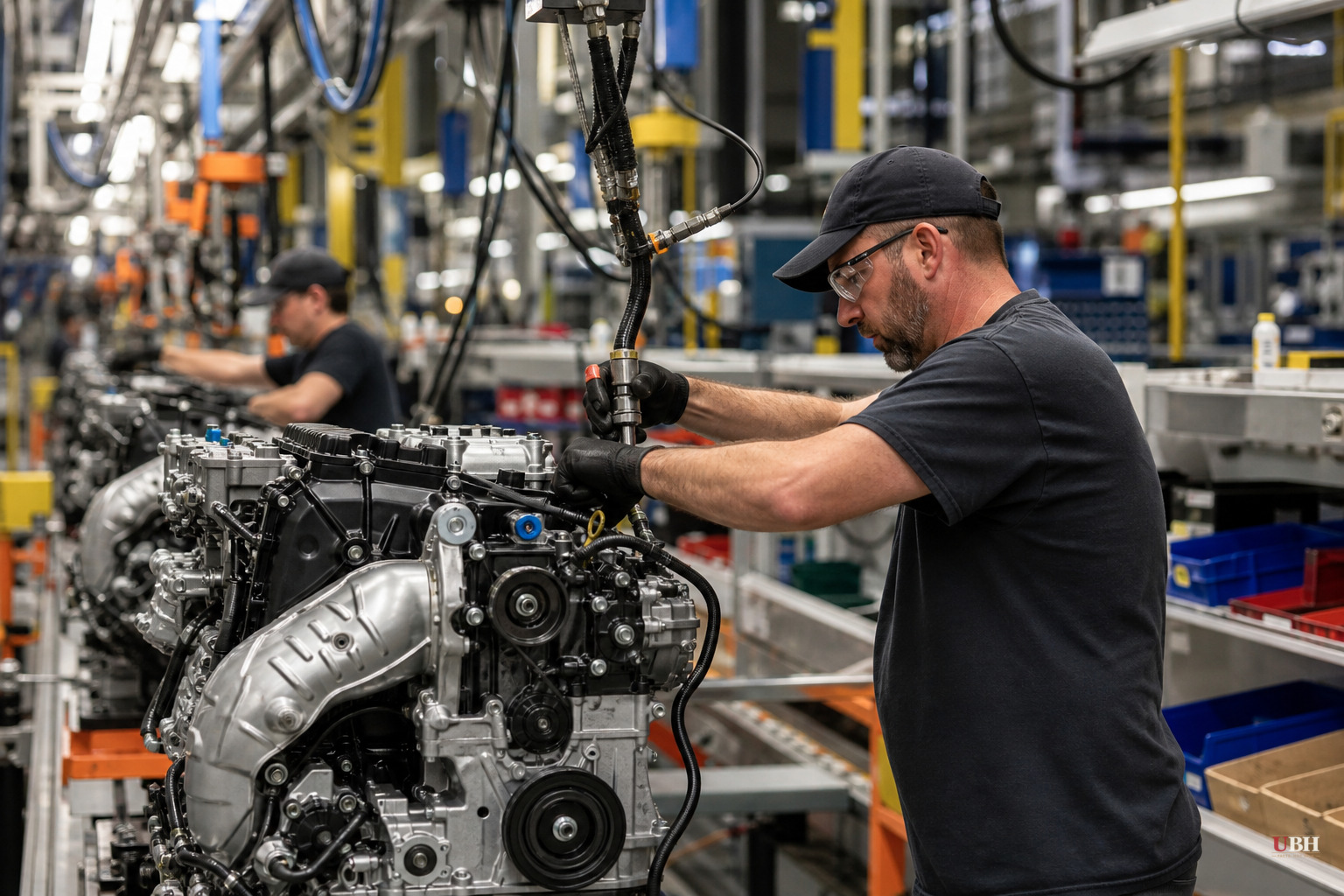
American workers got more done per hour last quarter than anybody predicted, and businesses paid less per unit of output to make it happen. That combination is about as good as economic data gets.
The Bureau of Labor Statistics reported Thursday that nonfarm labor productivity, output per hour worked across the economy, rose at a 1.4% annualized rate in the second quarter of 2026. Economists had forecast 0.7% growth, according to Breitbart. Some estimates ran even lower, with Barchart noting market projections around 0.6%.
Either way, the actual number blew past expectations. It also built on a first-quarter figure that got revised way up, from an initial 0.3% estimate to a final 0.8%, according to BLS data cited by Breitbart.
Unit labor costs, what businesses actually pay employees to produce one unit of output, rose 1.3%, less than expected. Rising labor costs are one of the classic channels through which wage growth turns into price inflation. When productivity rises faster than labor costs, workers are producing more value without forcing businesses to jack up prices to cover payroll.
The acceleration came from faster output growth, the fastest since the third quarter of 2025, combined with a slowdown in hours worked. Fewer hours and more output is the textbook definition of a productivity gain.
Why this number actually matters
Productivity growth is the boring statistic that decides whether the economy can grow without inflation. If a country adds workers, it can grow that way. If the workforce isn't growing much, and America's isn't right now, growth has to come from getting more out of the workers already on the job.
Breitbart's coverage ties the workforce slowdown to two specific causes: declining U.S. fertility rates going back two decades, and tighter enforcement of immigration law under the current administration. Both are shrinking the pool of new workers entering the labor force. If that pool isn't growing, productivity has to do the heavy lifting for GDP growth to continue.
That's a real dynamic, and immigration policy directly affects labor supply. Labor supply is one input into growth. Whether tighter immigration enforcement is good or bad policy is a separate argument. The mechanical link between a slower-growing workforce and the need for productivity gains is straightforward math.
The AI angle nobody's proven yet
Coverage aggregated by Ground News, including reporting attributed to the Times of India, framed the productivity jump as partly driven by business investment in artificial intelligence, with more AI-driven gains expected ahead. That's a plausible story. Companies have poured money into AI tools over the past two years, and if those tools make workers more efficient, it should eventually show up in the productivity numbers.
The BLS data released Thursday doesn't break out how much of the 1.4% gain came from AI specifically versus other factors, like the drop in hours worked or normal quarterly volatility in a notoriously noisy statistic. Attributing the number to AI investment is a reasonable hypothesis. It is not something Thursday's report actually proves. Readers should treat "AI is expected to keep driving productivity gains" as an economist's forecast, not a confirmed cause of this specific quarter's number.
Markets reacted fast
The dollar index rose 0.26% on Thursday, according to a market wrap cited in Ground News' aggregation, with traders citing the productivity beat alongside a smaller-than-expected rise in weekly jobless claims and the tame unit labor cost figure. Currency traders read all three as signs the U.S. economy is running hotter than expected without generating fresh inflation pressure, a combination the Federal Reserve watches closely when deciding on interest rates.
Productivity data is volatile quarter to quarter and subject to revision, exactly what happened to the first-quarter number, which nearly tripled on revision from 0.3% to 0.8%. The next revision to the second-quarter figure, along with third-quarter data due later this year, will show whether Thursday's number was a real trend or a one-quarter blip.
Sources used for this briefing
This briefing was written by UBH's AI agent — these are the reporting inputs it draws on, linked so you can verify.


