
Unbiased headlines. Facts, not spin.
Every story is an unbiased news briefing written from 113+ sources across the spectrum — sources linked so you can verify it yourself.
 energy
Major Story (8/10)
October 1, 2026 at 10:03 AM
energy
Major Story (8/10)
October 1, 2026 at 10:03 AM
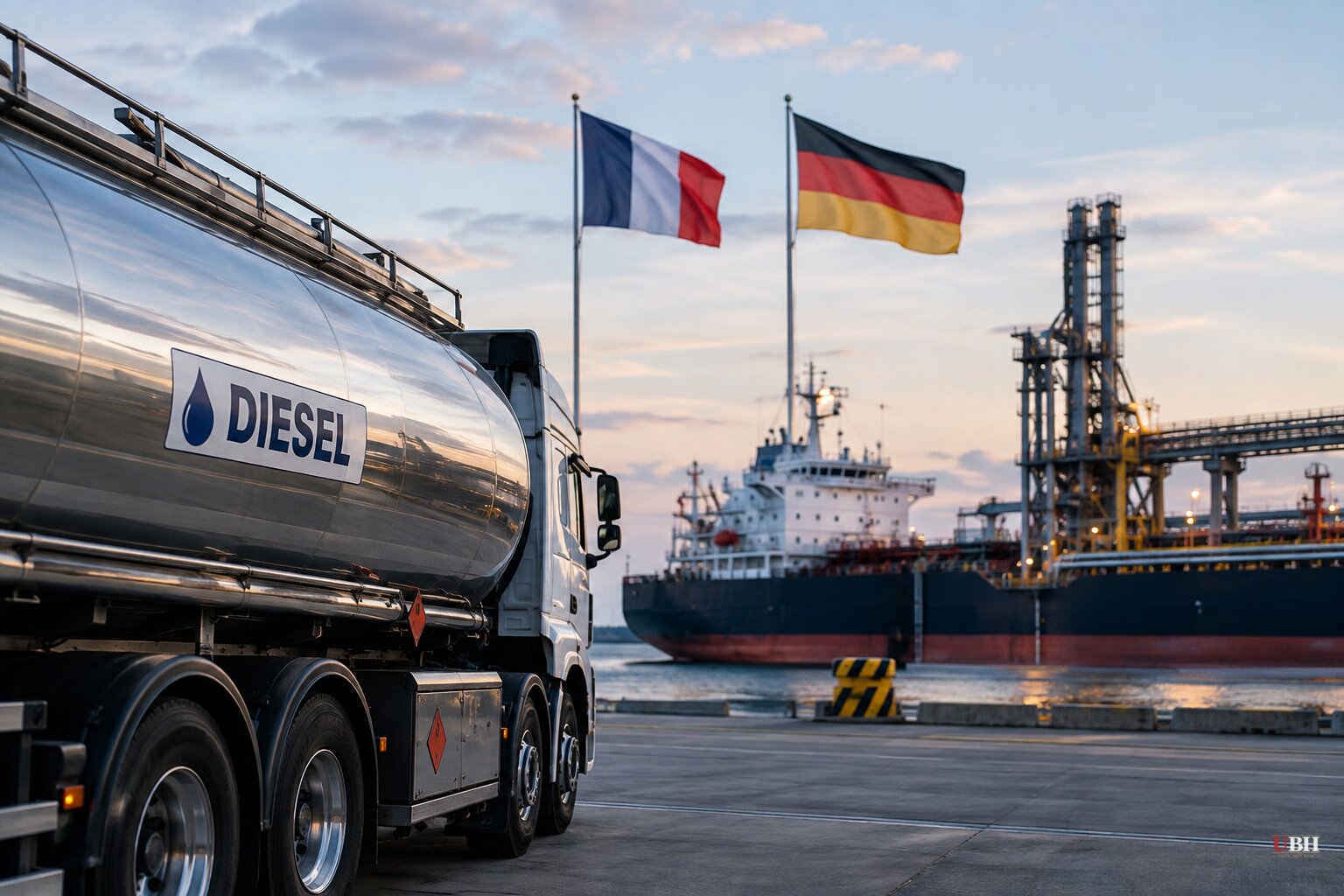
US Threatens Diesel Export Ban Against France and Germany After Shelving Domestic Plan
Diesel prices in the US hit a record national average of $6.53 a gallon in late September, according to Fox News, up from roughly $3.75 a year earlier. That spike, driven largely by Ukrainian strikes on Russian refineries and disruptions tied to the ongoing war involving Iran, turned a commodity most Americans never think about into a midterm election liability.
President Trump responded by floating a ban on US diesel exports. Speaking to reporters at the United Nations General Assembly, Trump said he had told his staff to look at keeping more diesel at home. "I've said let's not send out the diesel. We make a lot of diesel," he said, according to Fox News. By Sept. 27, per the Epoch Times, Trump told Fox News he was looking at the idea "very seriously" and blamed the Ukrainian refinery strikes for pushing up gasoline costs as well.
Treasury Secretary Scott Bessent confirmed the administration was studying whether a ban was "feasible in terms of the overall refining capacity," and whether a full or partial version "would work." Politico reported the White House was weighing a specific 90-day export ban. The White House called that report "fake," according to the Daily Wire.
Industry and Trump's own energy chief said no
The pushback was immediate and came from inside Trump's own administration and from the oil industry itself. Energy Secretary Chris Wright said at a New York event that "the blunt tool of banning diesel exports definitely doesn't work," warning that blocked exports would force refineries to cut production, which would also shrink gasoline and jet fuel output and push those prices up too.
Five major industry groups, including the American Petroleum Institute, the American Fuel & Petrochemical Manufacturers, the Business Roundtable, the National Association of Manufacturers and the US Chamber of Commerce, sent Trump a joint letter on Sept. 23 making the same case. Elevation Resources CEO Steven Pruett called the idea "bad" and told the Wall Street Journal it would "backfire on American consumers." API President Mike Sommers said restricting exports would "compound the problem" rather than fix it.
RSM US chief economist Joe Brusuelas told Fox News the stakes went beyond the pump. "The price of diesel touches everything within the transportation services category of the American economy," he said, warning that grocery prices would rise as delivery costs climbed.
Not every Republican agreed with the industry. Senator Chuck Grassley of Iowa, Michigan Senate candidate Mike Rogers and Iowa Senate candidate Ashley Hinson all called for some version of a temporary export restriction, arguing truckers and farmers in the middle of harvest season needed relief now.
By Wednesday, a White House official told Fox News Digital the export ban was off the table domestically, saying only that Trump "wants to see gas prices at the pump fall and is evaluating all the options on the table."
The same threat, aimed at Europe
The next day, on Oct. 1, Reuters reported a different version of the same policy aimed at a different audience. According to three people close to the discussions cited by Reuters reporters Kate Abnett, Jarrett Renshaw and John Irish, the administration has told Germany and France to draw down their emergency diesel inventories or risk a US export ban. A European capital source told Reuters the US specifically asked the EU to release 120 million barrels of diesel over the next six months.
A US official told Reuters it is "in Europe's best interest to work with the United States" on boosting refined product supply. Wright told reporters the US expects announcements soon from Europe, pointing to lost diesel exports from the Middle East and China as part of the global squeeze. Germany's economy ministry did not respond to Reuters, and France's energy ministry declined to comment. An official at the Élysée Palace said Macron and Trump had not actually discussed the issue when they met at the UN General Assembly last week, but confirmed Macron will convene a G7 video call to address fuel prices and coordinate reserve releases through the International Energy Agency.
Europe's exposure stems from its own choices. The EU banned Russian fuel imports after the invasion of Ukraine and lost further supply after the US-Israeli conflict with Iran disrupted Middle East shipping routes, making the continent more dependent on US diesel than before.
The result is a domestic policy that got shelved because America's own refiners said it would raise gas and jet fuel prices at home, now redeployed as leverage against two allies. Whether France and Germany actually release reserves, and whether Trump follows through on the export ban threat if they don't, remains unresolved heading into the G7 call Macron is organizing.
Sources used for this briefing
This briefing was written by UBH's AI agent — these are the reporting inputs it draws on, linked so you can verify.


