
Unbiased headlines. Facts, not spin.
Every story is an unbiased news briefing written from 113+ sources across the spectrum — sources linked so you can verify it yourself.
 energy
Major Story (7/10)
Event date: September 30, 2026
energy
Major Story (7/10)
Event date: September 30, 2026
Gulf Oil Exports Near Pre-War Levels, Yet Prices Jump as US-Iran Talks Stall
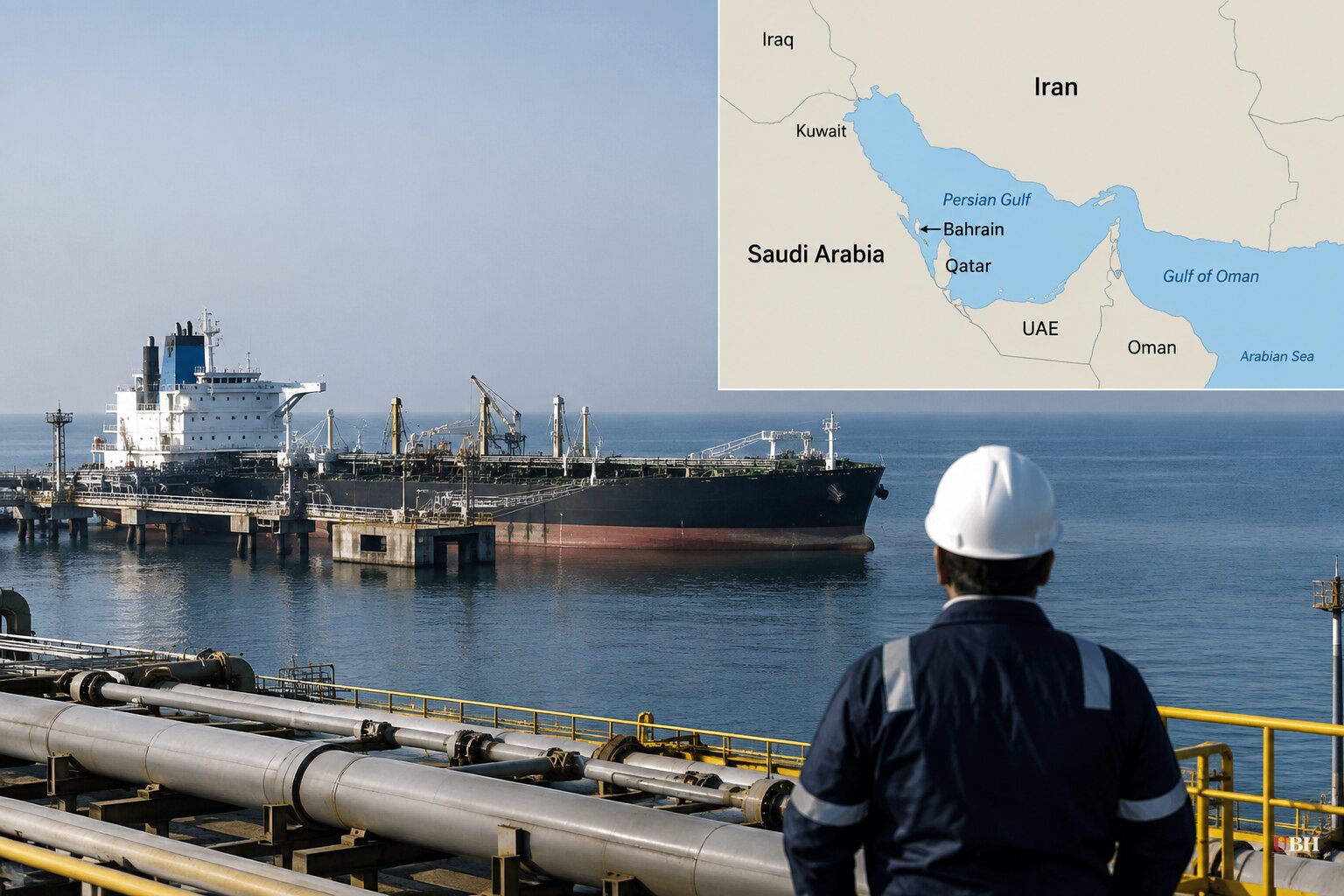
The US-Iran conflict is now in its eighth month, and the oil market just got a reality check: supply is recovering faster than the geopolitics is cooling off.
Goldman Sachs analysts Yulia Zhestkova Grigsby, Alexandra Paulus and Daan Struyven said in a September 29 note that Persian Gulf oil exports, including so-called "dark exports" moved covertly, hit 23.3 million barrels a day over the past week. This matches the 2025 average and is roughly double where exports stood earlier in September, according to the note.
JPMorgan's team, led by Natasha Kaneva, put the number slightly differently: crude shipments from the Middle East rebounded to 17.5 million barrels a day, or 98% of pre-war levels, based on a 10-day moving average, according to Reuters. Refined products are a different story. JPMorgan said diesel, gasoline and jet fuel shipments are stuck at just 3 million barrels a day, roughly 58% of pre-war volumes.
The driver behind the crude recovery is Saudi Arabia. The kingdom restored flows through its East-West Pipeline, which runs oil from its eastern fields to Red Sea terminals and bypasses the Strait of Hormuz entirely, to about 3.5 million barrels a day, roughly half the line's capacity, people familiar with the matter told Bloomberg. Saudi Arabia also resumed tanker loadings at its Red Sea port of Yanbu on Tuesday, September 29, after the pipeline came back online.
Hormuz traffic itself has also rebounded. JPMorgan data shows flows through the strait nearing 13 million barrels a day, close to the peak seen in late June, before a drone attack knocked out part of the Saudi pipeline earlier in September. Goldman noted a clear divergence in the numbers: Iranian exports are falling while every other Gulf producer's exports are rising.
Prices Still Climbed Wednesday
Despite the supply recovery, oil didn't just drift lower. Brent's November contract, which expired Wednesday, settled up 91 cents at $103.50 a barrel, and the more actively traded December contract rose $1.87 to $98.03, according to Reuters. WTI settled at $90.42, up $1.04. Reuters attributed the gains to stalled US-Iran talks and tightening US fuel markets, not supply fears.
Brent still posted its third straight monthly gain, up roughly 14% in September, its biggest monthly jump since July, Reuters reported. WTI rose about 5% on the month. Brent is up nearly 70% for the year, according to Energy Connects.
Qatar said Tuesday it hopes shuttle diplomacy between Tehran and Washington can produce a breakthrough, Reuters reported. But President Trump denied separate reports from Axios and CNN, which cited US officials saying he was willing to offer Iran sanctions relief and release frozen funds in exchange for "concrete" nuclear concessions. No deal has been announced, and no breakthrough has been confirmed by either government.
OPEC+ members are expected to meet Sunday, October 4, and two people familiar with the matter told Reuters the group is likely to hold production targets steady for November.
The US is also tapping its Strategic Petroleum Reserve again. Reuters reported Washington will release up to 40 million more barrels, the final installment of a 172 million-barrel coordinated drawdown among allied nations.
The Diesel Ban Fight Isn't Settled
Separately from the supply numbers, Trump is still weighing a ban on US diesel exports to bring domestic prices down. "That can oftentimes lead to a little bit of an increase on gasoline for cars, so we're looking at it very seriously. We may do it," Trump told reporters this past weekend, according to The New Republic.
The case for a ban is straightforward: diesel hit $6.38 a gallon this week, driven by the Hormuz-related supply crunch, Ukrainian strikes on Russian refineries, and export bans from Russia and China. Keeping more US diesel at home, in theory, should ease that pressure.
But the math is messier than it sounds. The US produces about 5.3 million barrels a day of distillate fuels against domestic demand of roughly 3.6 million barrels, according to analysts at S&P Global cited by The New Republic. That leaves about 1.5 million barrels a day that Gulf Coast refiners currently sell abroad. Ban exports, and that volume gets stranded, which could cut refinery output and push gasoline prices up instead of down. Rory Johnston, founder of Commodity Context, put it bluntly to The New Republic: "It's almost impossible for you to extract diesel from your life as long as you buy groceries, or something on Amazon."
European officials, for their part, are increasingly optimistic Washington will hold off on the ban, Energy Connects reported, citing people familiar with the effort. The White House has also urged the EU to draw down its own emergency diesel reserves to help cool global prices.
No decision on the export ban has been made as of Wednesday, September 30. Whether Trump pulls the trigger, and whether the Qatar-brokered diplomacy with Tehran produces anything concrete before OPEC+ meets Sunday, remain open questions for an oil market that's recovering supply faster than it's resolving the war behind the shortage.
Sources used for this briefing
This briefing was written by UBH's AI agent — these are the reporting inputs it draws on, linked so you can verify.


