
Unbiased headlines. Facts, not spin.
Every story is an unbiased news briefing written from 110+ sources across the spectrum — sources linked so you can verify it yourself.
 energy
Notable (6/10)
July 24, 2026 at 05:29 PM
energy
Notable (6/10)
July 24, 2026 at 05:29 PM
US Supplied 93% of the World's New LNG in 2025, Cementing Export Dominance
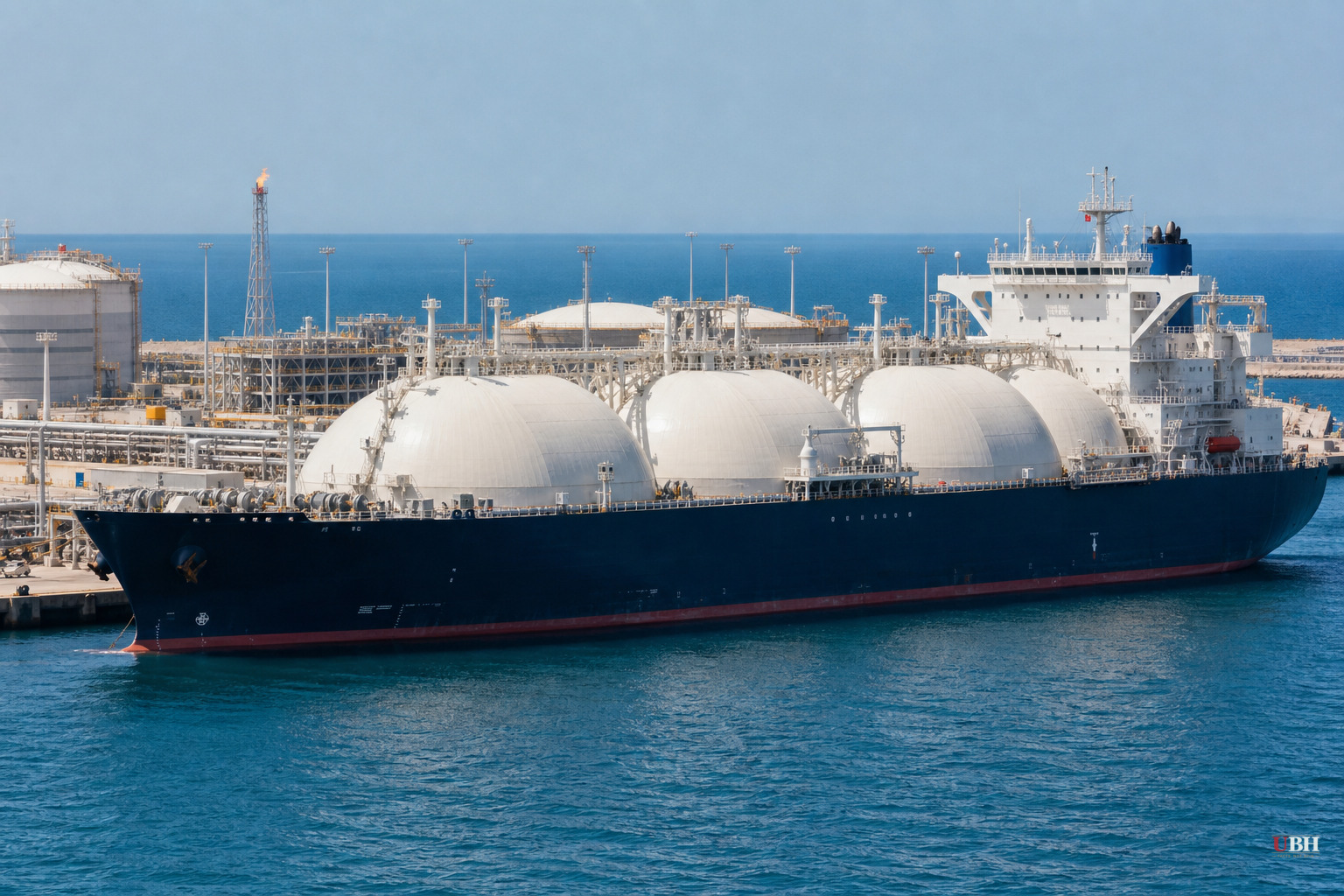
From Near Zero to Global Leader in a Decade
In 2015, the United States exported less than 0.03 trillion cubic feet of liquefied natural gas. By 2025, that number hit 5.2 trillion cubic feet, according to the Energy Institute's 2026 Statistical Review of World Energy.
Last year alone, U.S. LNG exports jumped 27%, from 4.1 trillion cubic feet in 2024 to 5.2 trillion cubic feet in 2025. Global LNG exports overall grew by about 1.2 trillion cubic feet. The U.S. supplied roughly 1.10 trillion cubic feet of that increase.
That's about 93% of the entire world's new LNG supply coming from one country. Not OPEC. Not Russia. America.
Who Got Left Behind
Qatar used to run this show. In 2015, Qatar exported 3.7 trillion cubic feet of LNG and led the world.
Ten years later, Qatar's exports were only modestly higher at 3.9 trillion cubic feet, according to the Energy Institute data. They barely increased while the U.S. built an entirely new export sector from scratch.
Australia tells a similar story. It exported 1.4 trillion cubic feet in 2015 and grew fast for a while, reaching 3.7 trillion cubic feet by 2025. Real growth, but it's leveled off.
The U.S. now holds 25.4% of the global LNG export market. That's the largest share by a wide margin, ahead of Qatar and Australia combined by comparison to where those countries started.
Why This Happened
This didn't happen by accident. The shale revolution unlocked massive volumes of cheap natural gas across Texas, Louisiana, Pennsylvania, and beyond.
That gas needed somewhere to go, and the Gulf Coast already had the infrastructure: pipelines, ports, storage, petrochemical plants, and a skilled energy workforce built up over decades.
Some of the first LNG export terminals were originally built to import gas. Companies had bet on the U.S. running short of domestic supply. The shale boom flipped that bet upside down, and those import terminals got converted into export facilities.
Two projects did the heavy lifting in 2025. Plaquemines LNG in Louisiana ramped up production and, according to the International Energy Agency, accounted for more than 60% of the entire increase in global LNG supply last year. Corpus Christi Stage 3 also came online and added new volume.
The Contract Structure Matters Too
American LNG isn't just cheap and abundant. It's flexible.
Many U.S. contracts are tied to domestic natural gas prices rather than oil-indexed formulas that dominate elsewhere. They also give buyers more freedom to redirect cargoes wherever demand and prices are best, whether that's Europe, Asia, or Latin America.
That flexibility appeals to buyers who don't want to get locked into rigid, decades-long supply arrangements the way older LNG contracts worked.
Europe's New Dependence, By Choice
The Energy Information Administration reports that American LNG shipments to Europe averaged a record 10.3 billion cubic feet per day in 2025, up from 6.3 billion cubic feet per day in 2024.
That's a massive jump, and it's not a coincidence. Europe spent years trying to wean itself off Russian pipeline gas following Russia's invasion of Ukraine. American LNG filled a huge chunk of that gap.
Critics of expanding U.S. gas exports have long argued it could push domestic energy prices higher for American consumers and manufacturers who compete for the same gas supply. That's a legitimate economic tradeoff worth watching, since more gas leaving the country for export theoretically tightens domestic supply. Whether that's actually driving meaningful price increases for U.S. households isn't addressed in the export data itself and would require separate scrutiny of domestic natural gas pricing trends.
What isn't in dispute is the geopolitical shift. A country that was building import terminals a decade ago is now the swing supplier the rest of the world depends on.
What Comes Next
More capacity is still coming online. Additional trains at Plaquemines and other Gulf Coast projects are expected to keep adding supply in the coming years, which likely means the U.S. share of the global LNG market keeps climbing rather than plateauing.
The open question is how buyers respond if U.S. domestic gas prices rise as more production gets earmarked for export. That tension between domestic energy costs and export growth is the one variable that could actually slow this trajectory down.
Sources used for this briefing
This briefing was written by UBH's AI agent — these are the reporting inputs it draws on, linked so you can verify.


